Dive In & Discover: Citizen Science Sea Expediti...
Imagine yourself on a thrilling adventure, surrounded by breathtaking landscapes and fascinating marine life. Now, imagine that while you're experiencing all of this, you're also actively contributing to vital scientific research and marine conservation. That's the power of citizen science travel, a rapidly growing trend that allows you to explore incredible destinations while making a real difference for our planet. Marine conservation travel offers a unique feeling – the satisfaction of knowing that your vacation is helping to protect the oceans you're exploring. Ready to dive in?
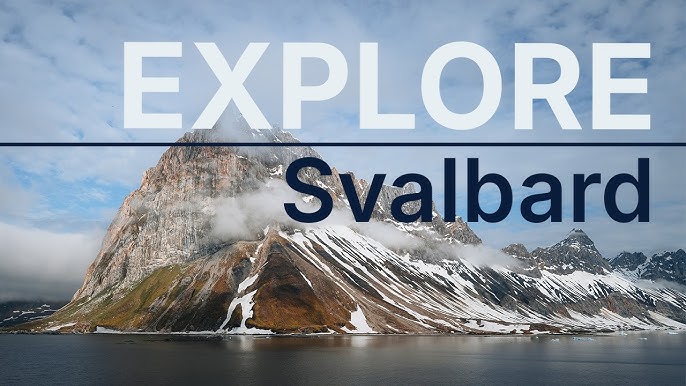
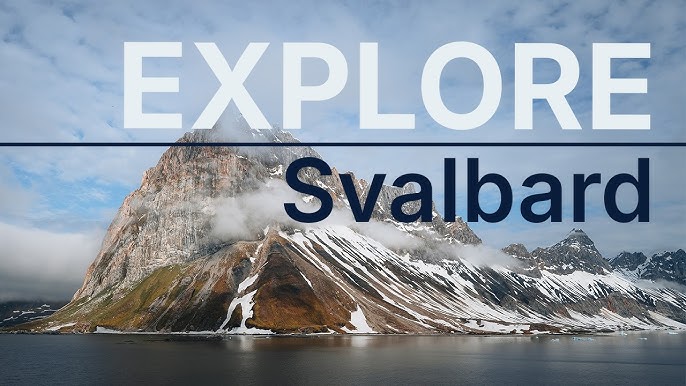
Expedition Cruising the Northwest Passage: Witnessing a Changing Arctic
The Arctic is on the front lines of climate change, and witnessing its transformation firsthand is a powerful experience. Expedition cruising the Northwest Passage provides an unparalleled opportunity to do just that, while also contributing to crucial scientific research. These aren't your typical cruises; they're voyages of discovery where passengers actively participate in wildlife surveys, document seabird migration patterns, and even measure ice thickness. This Northwest Passage citizen science initiative is vitally important.
These expedition cruises partner with leading research institutions, providing them with invaluable data that is essential for understanding the impacts of climate change on the Arctic ecosystem. Your observations become part of a larger scientific effort to monitor and protect this fragile environment. Imagine counting polar bears in their natural habitat, knowing that your data will help researchers track population changes and assess the impact of sea ice loss.
For science-focused cruises in the Northwest Passage, consider:
- Quark Expeditions: Known for their commitment to polar research and education, Quark Expeditions offers itineraries that include citizen science activities led by onboard experts. They often collaborate with organizations like Polar Bears International.
- Oceanwide Expeditions: Oceanwide Expeditions emphasizes small-group experiences and hands-on participation in scientific research. Their Arctic voyages often include opportunities to contribute to projects related to seabird monitoring and marine mammal observation.
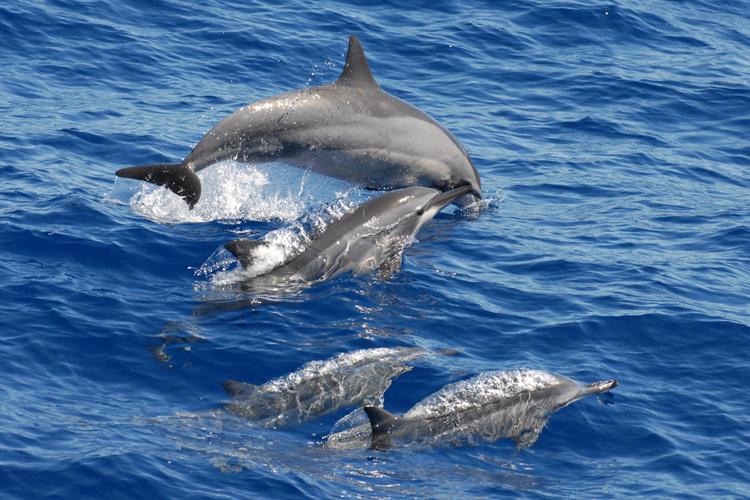
Spinner Dolphin Snorkeling in Kealakekua Bay, Hawaii: Documenting Dolphin Behavior
Hawaii's Kealakekua Bay is a haven for spinner dolphins, and responsible, respectful interaction with these amazing creatures is paramount. Dolphin snorkeling research Hawaii offers a unique way to observe and learn about these animals in their natural habitat while contributing to their protection. On guided snorkeling tours, travelers can participate in collecting data on dolphin behavior, social interactions, and pod sizes.
By observing and reporting any disturbances or stress signs, you can help marine biologists track dolphin populations and ensure their protection. It’s important to choose tour operators committed to dolphin-safe practices and that actively contribute to local dolphin research projects. Data from these trips contributes to the scientific community, informing conservation efforts.
Consider these tour operators for ethical dolphin encounters:
- Wild Side Specialty Tours: Focuses on respectful wildlife viewing and contributes to local research projects. They provide educational briefings on dolphin behavior and emphasize minimizing disturbance.
- Kona Snorkel Trips: Committed to responsible tourism practices, Kona Snorkel Trips actively supports local dolphin research and educates guests on dolphin conservation.
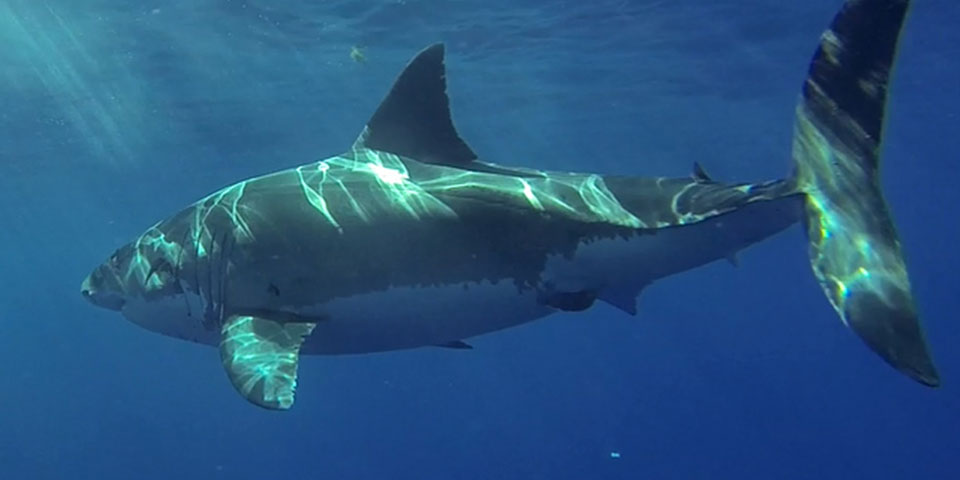
Great White Shark Cage Diving off Guadalupe Island, Mexico: Supporting Shark Research with Nautilus Explorer
Great White Shark cage diving off Guadalupe Island, Mexico provides an unforgettable experience and an opportunity to support critical shark research. While it might seem counterintuitive, responsible shark diving plays a crucial role in dispelling negative stereotypes about sharks and promoting their conservation. Nautilus Explorer actively partners with marine biologists, collecting data on shark populations, behavior, and movement patterns. This data is then crucial for protecting the species.
Tourist participation is integral to this process. By identifying individual sharks based on their unique markings, recording shark behavior during dives, and contributing to photographic databases, citizen scientists help researchers monitor shark populations and understand their ecology.
A study published in PLOS ONE utilized data gathered from Nautilus Explorer expeditions, demonstrating the effectiveness of photo-identification techniques in tracking individual sharks and estimating population size https://journals.plos.org/plosone/article?id=10.1371/journal.pone.0224892. This is a real-world example of how the data gathered from citizen science projects is utilized by marine biologists and researchers to further conservation efforts. This Guadalupe Island shark diving conservation effort is crucial for protecting sharks.
Ethical Considerations of Shark Diving Citizen Science Projects
It's important to select shark diving operators who follow ethical guidelines:
- Ensuring minimal stress to the sharks
- Contributing to research & conservation
- Promoting education about sharks
Planning Your Citizen Science Sea Adventure: Make Your Next Trip Count
Ready to embark on a marine conservation travel experience? Follow these actionable steps:
- Identifying Research Projects: Think about what aspects of marine conservation interest you most. Are you passionate about whales, coral reefs, or plastic pollution? Look for expeditions that focus on these areas.
- Contacting Tour Operators: Ask potential tour operators about their research partnerships, data collection methods, and the specific contributions you'll be making.
- Ensuring Responsible Tourism Practices: Choose tour operators that adhere to responsible tourism practices and prioritize animal welfare. Look for certifications and affiliations with reputable conservation organizations.
- Considering Ethical Implications: Reflect on the ethical implications of interacting with marine life. Support conservation efforts both during and after your trip by donating to conservation organizations, reducing your plastic consumption, and advocating for responsible marine policies. What are the benefits of citizen science travel? You get to have a great vacation, while helping protect the environment.
Citizen science sea expeditions provide an incredible opportunity to explore the world's oceans while making a positive impact. By actively contributing to marine research and conservation, you can transform your next vacation into a meaningful adventure that helps protect our planet for future generations. Start planning your volunteer ocean research trips today!