Dive In and Make a Difference: Unique Sea Advent...
The world's oceans are facing unprecedented challenges, from plastic pollution and overfishing to climate change and coral bleaching. The need for ocean conservation has never been greater. But what if your next vacation could be more than just a getaway? What if it could be a force for positive change? At vistalocation.com, we believe that travel can and should be responsible and impactful. That's why we're committed to promoting citizen science adventures – unique opportunities for you to actively participate in marine conservation and help protect our oceans. Join us as we explore incredible destinations where you can dive in and make a real difference.
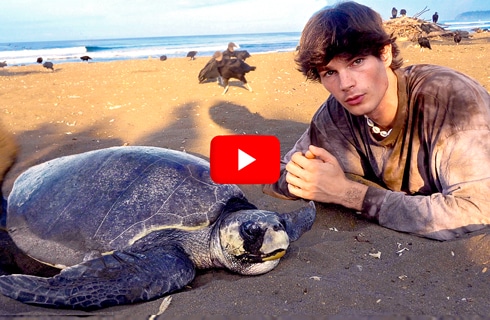
A sea turtle carefully lays her eggs on a sandy beach at night, highlighting the fragility of marine life and the need for citizen science to protect these vulnerable creatures.
Protecting the Next Generation: Volunteer with Sea Turtles in Costa Rica
Imagine spending your nights patrolling pristine beaches under the starlit sky, searching for nesting sea turtles. In Costa Rica, this dream can become a reality. Working with the Sea Turtle Conservancy (https://seaturtle.org), you can actively participate in sea turtle conservation efforts and contribute to the survival of these magnificent creatures. This is a powerful marine conservation volunteer vacation.
Your days and nights will be filled with purpose as you engage in a variety of critical activities:
- Night Patrols: Walk the beaches with experienced researchers, identifying nesting turtles and ensuring their safety.
- Data Collection: Carefully record data on egg clutches, including species, location, and nest depth.
- Nest Relocation: When nests are threatened by tides or predators, carefully relocate them to protected hatcheries.
- Hatchling Releases: Witness the magic of baby sea turtles emerging from their nests and guide them safely to the ocean.
The impact of these activities is profound. By protecting nests and hatchlings, you're directly contributing to the long-term survival of endangered sea turtle populations. The scientific data collected during these patrols is invaluable for understanding turtle behavior, nesting patterns, and population trends.
"I never thought I could be a part of something so meaningful," says Sarah Miller, a past volunteer. "Seeing those baby turtles reach the ocean, knowing that I helped them get there, was an experience I'll never forget."
Become a Whale Detective: Researching Marine Mammals in the Atlantic
The Azores, a stunning archipelago in the middle of the Atlantic, offer a unique opportunity to become a whale and dolphin "detective." Join research expeditions with the Marine Conservation Research Collective (a fictional organization, but one that embodies the real spirit of marine research!) and contribute to vital marine conservation efforts through photo identification surveys.
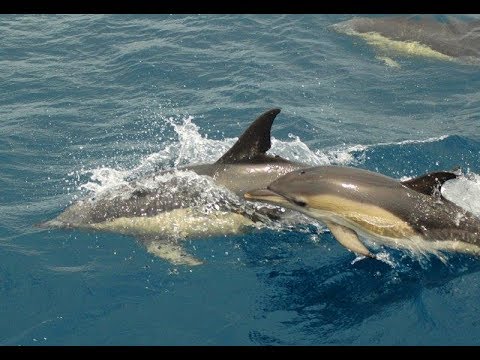
A pod of whales breaches the surface of the Atlantic Ocean near the Azores Islands. Volunteers on research expeditions contribute to photo identification studies, helping scientists track and understand these magnificent marine mammals.
Imagine yourself on a research vessel, surrounded by the vastness of the ocean. With your camera in hand, you'll be tasked with capturing high-quality photographs of whales and dolphins. But these aren't just vacation snapshots; they're valuable scientific data. Each whale and dolphin has unique markings, scars, and fin shapes, allowing researchers to identify individuals over time.
The process is simple, yet powerful:
- Capture Images: Take clear, detailed photos of whale and dolphin fins and body markings.
- Data Entry: Record the date, time, location, and species of each sighting.
- Photo Matching: Assist researchers in comparing your photos to existing catalogs, identifying known individuals and discovering new ones.
By contributing to this whale and dolphin research in the Azores Islands, you're helping scientists track individual animals, monitor population sizes, understand their behavior, and assess the impact of human activities on these magnificent creatures. Expeditions typically last from one to two weeks and require no prior experience, just a passion for marine conservation and a keen eye for detail. This is a unique ocean conservation travel experience.
Plant a Coral, Save a Reef: Restoring Underwater Ecosystems in Indonesia
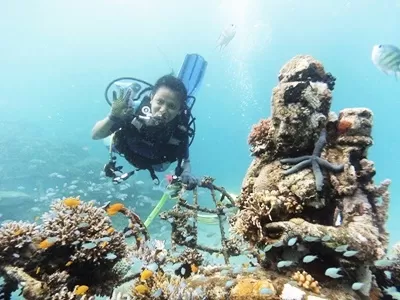
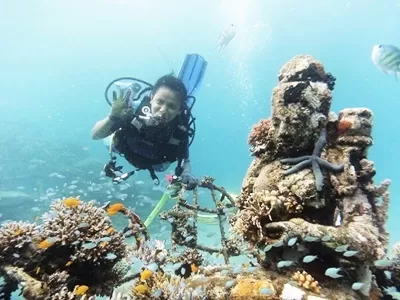
Coral reefs are the rainforests of the sea, teeming with biodiversity and providing critical habitat for countless marine species. Sadly, these vital ecosystems are under threat from climate change, pollution, and destructive fishing practices. In Indonesia, you can play a direct role in coral reef restoration by volunteering with the Gili Eco Trust (https://www.giliecotrust.com). This is a chance for travelers to enjoy an Indonesian volunteer vacation ocean conservation style.
A volunteer carefully attaches coral fragments to an artificial structure as part of a coral reef restoration project in Indonesia. These efforts are vital for rebuilding damaged reef ecosystems and supporting marine biodiversity.
The process of coral reef restoration is both fascinating and rewarding:
- Coral Fragment Collection: Collect healthy coral fragments from existing reefs.
- Attachment to Structures: Attach the fragments to artificial structures, such as metal frames or concrete blocks.
- Transplantation: Carefully transplant the structures to damaged reef areas, providing a foundation for new coral growth.
By participating in this Indonesia coral planting volunteer program, you'll not only be helping to restore damaged reefs but also learning about coral reef ecology and the challenges facing these vital ecosystems. You'll gain a deeper understanding of the importance of coral reefs for marine biodiversity, coastal protection, and the livelihoods of local communities.
Imagine seeing the vibrant colors of a restored reef teeming with life, knowing that you played a part in bringing it back to health. That's the power of citizen science. This helps to promote ethical marine tourism.
Visual Element: Coral Restoration Process
- Divers collect small, healthy pieces of coral (fragments) from established reefs.
- These fragments are carefully attached to frames made of metal or other safe materials.
- The frames with the attached coral are then placed on damaged sections of the reef.
- Over time, the coral grows and expands, eventually creating a new, thriving reef habitat.
- Regular monitoring and maintenance ensure the long-term success of the restoration project.
Ready to Make a Difference?
These are just a few examples of the many incredible citizen science ocean adventures available through vistalocation.com. Whether you're passionate about sea turtles, whales, or coral reefs, there's a project waiting for you. We believe that travel should be more than just sightseeing; it should be an opportunity to learn, grow, and make a positive impact on the world.
Ready to make a difference? Plan your citizen science sea adventure today with vistalocation.com! Learn more about these organizations and how you can get involved.
- Sea Turtle Conservancy
- Gili Eco Trust (https://www.giliecotrust.com)
Disclaimer: Vistalocation.com promotes responsible travel practices and encourages travelers to choose organizations that prioritize the well-being of marine ecosystems and local communities. Please research and select projects that align with your values and contribute to sustainable conservation efforts.