Dive In and Do Good: Ocean Adventures That Heal...
Are you an environmentally conscious traveler seeking a vacation with a purpose? Do you dream of pristine beaches and vibrant coral reefs, but worry about the impact of tourism? At Vista Location, we believe you can have both – unforgettable experiences and the chance to actively protect our oceans. Dive into a world of hands-on marine conservation, where your travel transforms into a powerful force for good. Explore the Belize Barrier Reef, the Azores Islands, and the Great Barrier Reef, and discover unique volunteer opportunities that let you heal our seas, one adventure at a time. Join us on a journey where your passion for travel meets your dedication to the planet.
Belize Barrier Reef: Coral Restoration with the Oceanic Society
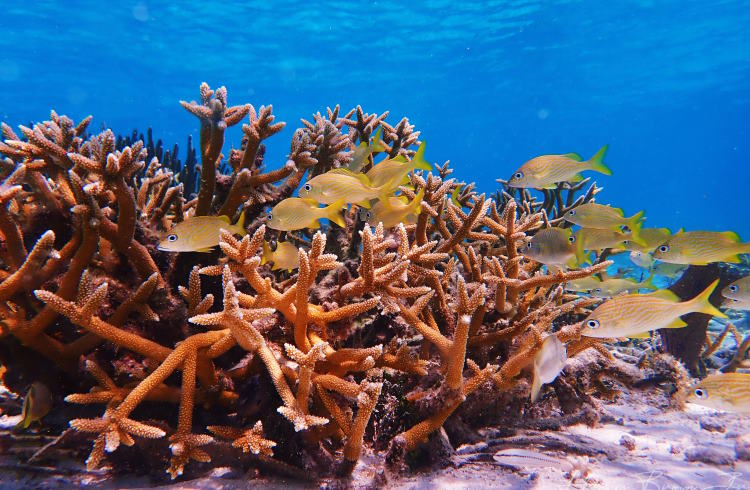
The Belize Barrier Reef, a UNESCO World Heritage Site, is the second largest barrier reef system in the world. Sadly, it has suffered a 50% decline in coral cover since the 1970s due to climate change, pollution, and unsustainable fishing practices. But there's hope! You can be a part of the solution by volunteering with the Oceanic Society on their coral restoration projects.
What You'll Do: Coral Gardening
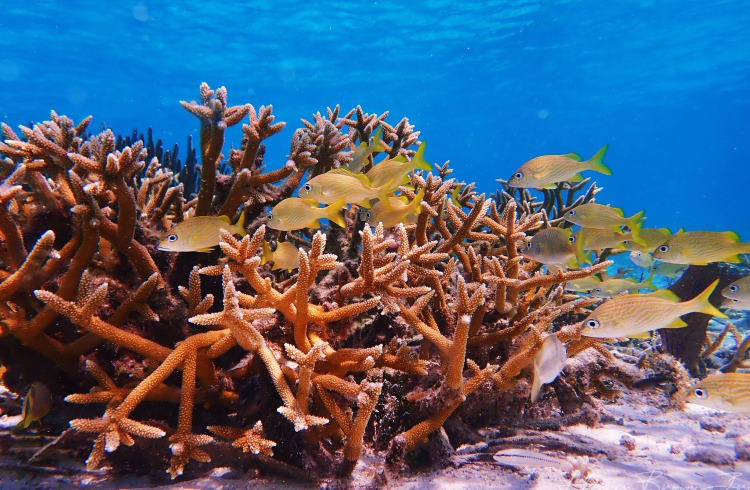
As a volunteer, you'll participate in the entire coral restoration process, from fragment collection to replanting. This “coral gardening” technique involves:
- Coral Fragment Collection: Divers carefully collect small, healthy coral fragments from donor colonies.
- Nursery Cultivation: These fragments are then nurtured in underwater nurseries, where they grow and thrive.
- Replanting on Degraded Reef Sites: Finally, the grown coral fragments are attached to artificial reefs using underwater epoxy, creating new habitats and restoring damaged areas.
Impact: A Reef Reborn
Your efforts directly contribute to increasing coral cover and fish biodiversity. Replanted reefs see a 200% increase in fish species within one year, providing vital habitat for marine life. By volunteering, you're not just witnessing the beauty of the Belize Barrier Reef, you're actively helping to bring it back to life.
Required Skills: Basic snorkeling or diving certification is recommended.
Necessary Equipment: Reef-safe sunscreen and a reusable water bottle.
Pre-Trip Training: The Oceanic Society offers pre-trip briefings and online courses to prepare you for your volunteer experience.
Ready to Dive In? Learn more and sign up for a volunteer program with the Oceanic Society today! You can also support their efforts by making a coral donation.
Don't Miss This Viral Video Idea: Coral Time-Lapse
Imagine a rapid time-lapse of coral growing in a nursery, showcasing its rapid growth. Picture close-up footage, shot in cinematic 4K with dramatic underwater lighting, highlighting the coral's rapid growth. The grand finale? A previously barren reef teeming with fish life after coral transplantation. This video will generate surprise, and amazement at the effectiveness of reef restoration!
Azores Islands (Portugal): Marine Debris Cleanup & Whale Watching
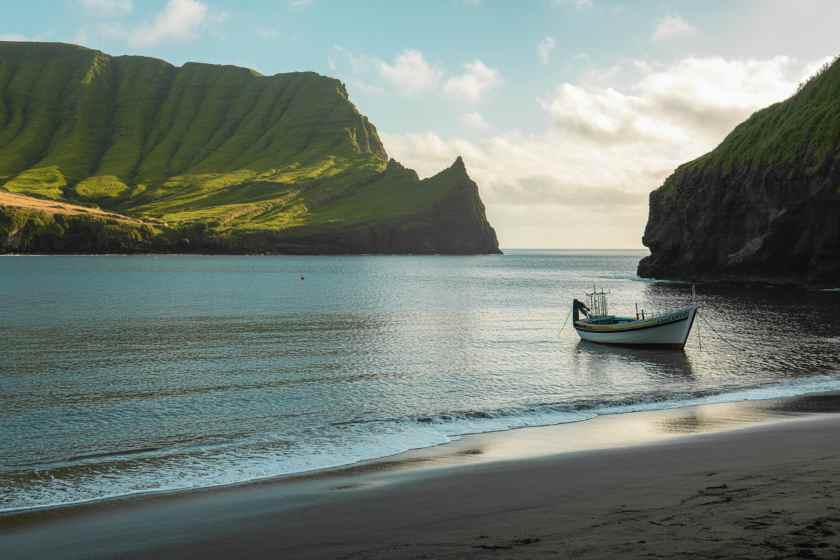
The Azores, a volcanic archipelago in the Atlantic Ocean, is a haven for marine life, including whales, dolphins, and seabirds. However, these islands are also vulnerable to marine debris, with 90% of seabirds having ingested plastic. You can help protect this pristine environment by participating in marine debris cleanup initiatives and supporting responsible whale watching tours with the Sea Watch Foundation.
What You'll Do: Beach Cleanups & Citizen Science
Your volunteer experience will involve:
- Beach Cleanup Procedures: Working in teams to remove plastic and other debris from beaches.
- Sorting and Categorizing: Analyzing the collected waste to identify sources of pollution. This data helps inform conservation strategies and advocacy efforts.
- Whale Watching Tours: Participating in whale watching tours that contribute to marine mammal research. These tours help fund cetacean research and conservation efforts in the Azores.
Impact: Cleaner Beaches, Healthier Oceans
By participating in beach cleanups, you directly reduce the risk of seabird entanglement and ingestion of plastic. The data collected helps identify pollution sources and advocate for policy changes. Supporting responsible whale watching tours ensures that these magnificent creatures are studied and protected.
Required Skills: No specific skills required for beach cleanups. Whale watching tours require a willingness to learn and observe responsibly.
Necessary Equipment: Reusable water bottle, gloves (provided), and comfortable walking shoes.
Responsible Travel Practices: Minimize single-use plastics and support local businesses that prioritize sustainability.
Ready to Make a Difference? Sign up for a volunteer opportunity or make a donation to the Sea Watch Foundation today!
Viral Video Idea: Beach Clean-Up Transformation
Imagine seeing a trash-filled beach transforming into a pristine coastline in rapid succession, using a before-and-after split-screen shot in bright daylight with a wide shot of the beach. Add children building sandcastles on the newly cleaned beach and you have a viral video. The change to children on the beach generates emotion and amazement!
Great Barrier Reef (Australia): Citizen Science Reef Monitoring
The Great Barrier Reef, the world's largest coral reef system, is facing unprecedented challenges due to climate change. Consecutive bleaching events have impacted 60% of the Great Barrier Reef. But citizen scientists are playing a crucial role in monitoring reef health and informing management strategies. Join Reef Check Australia and become a vital part of the reef's recovery.
What You'll Do: Data Collection & Responsible Diving
As a volunteer, you'll:
- Collect Data on Coral Health: Using standardized Reef Check methods, you'll identify coral species, assess coral bleaching, and survey fish populations.
- Guided Diving Experience: Participate in guided dives focusing on responsible diving practices, ensuring minimal impact on the delicate reef ecosystem.
- Inform Reef Management: The data collected informs reef management strategies and conservation efforts.
Impact: Informed Conservation
Your contributions provide valuable data that helps scientists and policymakers understand the extent of coral bleaching and develop effective strategies for reef conservation. By participating in responsible diving, you minimize your impact on the reef and promote sustainable tourism practices.
Required Skills: Basic snorkeling or diving certification is required.
Necessary Equipment: Reef-safe sunscreen, reusable water bottle, and diving gear (if certified).
Pre-Trip Training: Reef Check Australia provides comprehensive training in reef monitoring techniques.
Ready to Become a Citizen Scientist? Sign up for a volunteer program or donate to Reef Check Australia today!
Viral Video Idea: Scientific Reef Check Inspection
Picture underwater footage of Reef Check Australia divers using high-tech scientific measuring devices to monitor coral health and measure water quality. Feature dramatic lighting and a close-up shot of a diver discovering vibrant, healthy coral amidst bleached areas. This video will generate curiosity and amazement!
Preparing for Your Trip: Essential Information
No matter which location you choose, remember to pack responsibly and respect the local environment. Here are some essential tips for environmentally conscious marine conservation travel:
- Minimize single-use plastics: Bring reusable water bottles, shopping bags, and containers.
- Choose reef-safe sunscreen: Protect coral reefs from harmful chemicals.
- Support local communities: Stay in locally owned accommodations and eat at local restaurants.
- Respect marine life: Observe wildlife from a distance and avoid disturbing their natural habitats.
Conclusion: Your Adventure Awaits
By choosing a hands-on marine conservation experience, you're not just taking a vacation – you're investing in the health of our planet. Whether it's restoring coral reefs in Belize, cleaning up beaches in the Azores, or monitoring reef health in Australia, your actions make a real difference. So, what are you waiting for? Dive in and do good!
Ready to start planning your ocean adventure? Contact Vista Location today to explore our selection of responsible travel options and make your next trip a force for positive change. Start your marine conservation volunteer travel by finding your perfect location today!