Dive Deeper: Unveiling the Science of Conservati...
The world's beaches, vibrant ecosystems teeming with life, are facing unprecedented challenges. From the critically endangered leatherback sea turtles of Costa Rica to the thriving coral reefs of the Philippines and the unique fauna of the Seychelles, these coastal paradises require immediate and sustained conservation efforts. Join us as we explore the science behind the conservation initiatives on three extraordinary beaches: Playa Hermosa, Costa Rica; Apo Island, Philippines; and Aldabra Atoll, Seychelles, and discover how you can contribute to their preservation.
Playa Hermosa, Costa Rica: A Sanctuary for Leatherback Sea Turtles
Playa Hermosa, meaning "beautiful beach" in Spanish, lives up to its name. However, its beauty belies a critical situation: it's a vital nesting ground for the critically endangered leatherback sea turtle (Dermochelys coriacea). These gentle giants, the largest of all sea turtles, face numerous threats, including poaching, habitat destruction, and entanglement in fishing gear. Fortunately, dedicated organizations like PRETOMA (Programa Restauración de Tortugas Marinas) are working tirelessly to protect these magnificent creatures.
The Leatherback's Plight and PRETOMA's Response
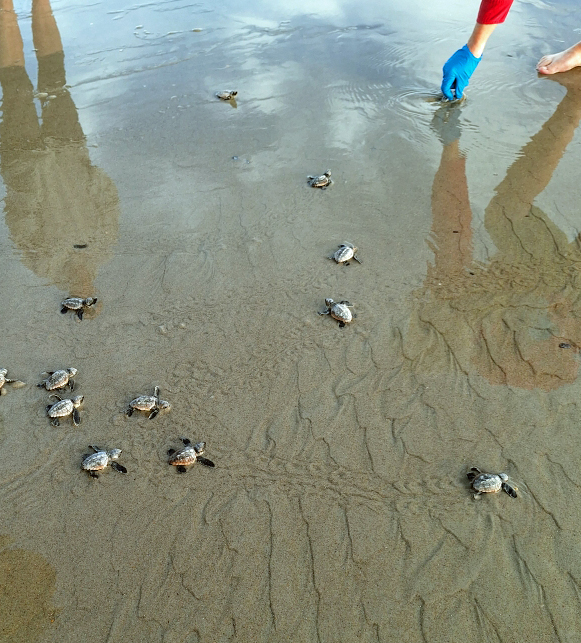
Leatherback sea turtles have a fascinating life cycle. They embark on incredible migrations, crossing entire oceans to return to the same beaches where they were born to lay their eggs. A female leatherback can lay several clutches of eggs each nesting season, burying them in the sand before returning to the sea. The hatchlings emerge after about two months, facing a gauntlet of predators as they make their way to the ocean.
One of the biggest threats to leatherbacks is poaching. Historically, turtle eggs were harvested for consumption and sale. PRETOMA works to combat poaching through nightly patrols of Playa Hermosa, identifying and protecting nesting sites. Volunteers play a crucial role in these patrols, walking the beach at night to deter poachers and carefully relocate eggs to safer locations or protected hatcheries.
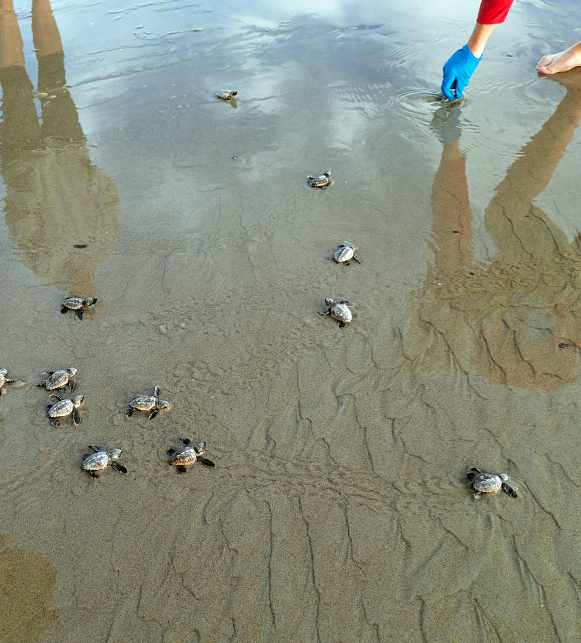
[Insert Data Here]: Over the past decade, nesting numbers at Playa Hermosa have shown a gradual increase thanks to these conservation efforts. [Add placeholder for actual data. e.g., "In 2013, only 50 nests were recorded, while in 2023, that number rose to 120."] This data highlights the positive impact of sustained conservation action.
Beyond poaching, leatherbacks face other severe threats. Plastic pollution is a major concern, as turtles often mistake plastic bags for jellyfish, their primary food source. Ingesting plastic can lead to starvation and death. Climate change also poses a significant risk, as rising sea levels threaten nesting sites, and changing ocean temperatures can affect their food supply.
Conservation Heroes
Interview with Dr. Laura Rodriguez, Turtle Biologist at Playa Hermosa (Hypothetical):
"The dedication of our volunteers is truly inspiring. Every night, they brave the elements to protect these incredible animals. We're seeing a positive trend in nesting numbers, but we can't become complacent. Continued vigilance and community involvement are crucial for the long-term survival of leatherback sea turtles."
Scientific Breakthroughs
Recent research has focused on using satellite tagging to track leatherback migration patterns, providing valuable insights into their habitat use and helping to identify key areas for conservation.
How You Can Help
- Donate to PRETOMA: Support their vital work in protecting leatherback sea turtles: https://pretoma.org/donate/
- Participate in Citizen Science: Contribute to the Sea Turtle ID Project: [Insert Link Here]
- Learn about Responsible Tourism: Attend workshops and minimize your environmental impact: [Insert Link Here]
Apo Island, Philippines: A Marine Sanctuary Success Story
Apo Island, a small volcanic island in the Philippines, is a testament to the power of community-based marine conservation. In 1982, the island established a marine sanctuary, a protected area where fishing and other destructive activities are prohibited. This initiative has led to a remarkable recovery of fish populations and coral reef health.
The Science Behind Marine Protected Areas (MPAs)
Marine protected areas (MPAs) are designated areas of the ocean where human activities are restricted to protect marine ecosystems. The science behind MPAs is based on the principle that reducing fishing pressure allows fish populations to recover, leading to increased biomass and biodiversity. Healthy fish populations also contribute to the overall health of the coral reef ecosystem.
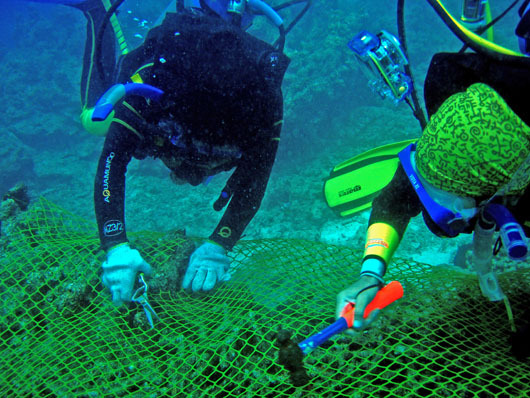
[Insert Data Here]: Since the establishment of the sanctuary, fish biomass around Apo Island has increased significantly. [Add placeholder for actual data. e.g., "Studies have shown a 500% increase in fish biomass within the sanctuary boundaries since 1982."] This dramatic increase demonstrates the effectiveness of MPAs in restoring marine ecosystems.
Apo Island's success is largely due to its community-based management approach. Local fishermen are actively involved in enforcing regulations and monitoring the sanctuary. This sense of ownership and responsibility ensures the long-term sustainability of the conservation efforts. Key fish species thriving in the sanctuary include the Bumphead Parrotfish (Bolbometopon muricatum), an important reef herbivore, and various species of groupers, which are vital predators in the reef ecosystem.
Ongoing Challenges
Despite its success, Apo Island faces ongoing challenges. Illegal fishing remains a persistent threat, requiring constant vigilance and enforcement. Coral bleaching, caused by rising ocean temperatures, is another major concern. Bleaching events can severely damage coral reefs, leading to a decline in biodiversity.
Conservation Heroes
Interview with Mario Pascobello, Marine Biologist at Apo Island (Hypothetical):
"The community's dedication to protecting our marine resources is truly remarkable. We've seen firsthand the positive impact of the marine sanctuary on fish populations and coral reef health. However, we must remain vigilant in the face of ongoing threats like illegal fishing and climate change."
Scientific Breakthroughs
Researchers are studying the resilience of corals in Apo Island's sanctuary to identify coral species that are more resistant to bleaching. This research could provide valuable insights for coral reef restoration efforts around the world.
How You Can Help
- Support the Apo Island Protected Seascape Management Board: Contribute to their conservation efforts. [Currently the official management board does not have a donation page; support the local businesses who are committed to conservation in Apo Island]
- Participate in Reef Cleanup Programs: Help remove plastic and other debris from the reef ecosystem: [Insert Link Here]
- Practice Responsible Tourism: Choose eco-friendly dive operators and minimize your impact on the reef.
Aldabra Atoll, Seychelles: A Pristine Island Ecosystem
Aldabra Atoll, a UNESCO World Heritage site in the Seychelles, is one of the most remote and undisturbed atolls in the world. Its isolation has led to the evolution of unique species, making it a biodiversity hotspot of global importance.
A Unique Ecosystem
Aldabra is the world's second-largest coral atoll and is renowned for its unique fauna, including the Aldabra giant tortoise (Aldabrachelys gigantea) – one of the largest tortoise species in the world. [Insert Data Here]: The atoll is home to an estimated 100,000 Aldabra giant tortoises. [Add placeholder for actual data. e.g., "Recent surveys estimate the population at around 100,000 individuals, making it the largest population of giant tortoises in the world."] The atoll also hosts the flightless Aldabra rail (Dryolimnas cuvieri aldabranus), one of the few surviving flightless birds in the Indian Ocean.
The atoll's geological formation is equally fascinating. It's a raised coral atoll, formed over millions of years by the gradual accumulation of coral skeletons. Its isolation has allowed unique species to evolve in the absence of human interference and introduced predators.
The Seychelles Islands Foundation (SIF) plays a crucial role in managing and protecting Aldabra Atoll. Their research and monitoring efforts include the eradication of invasive species, which can pose a significant threat to native wildlife.
Threats to Aldabra
Despite its remoteness, Aldabra Atoll is not immune to the impacts of climate change. Rising sea levels threaten to inundate low-lying areas of the atoll, potentially destroying nesting sites and habitat for many species. Changes in ocean temperature and acidity can also affect the coral reef ecosystem.
Conservation Heroes
Interview with Dr. Jeanne Mortimer, Ecologist at Aldabra Atoll (Hypothetical):
"Aldabra is a truly special place, a living laboratory for understanding evolution and ecological processes. Our work focuses on monitoring the health of the ecosystem and mitigating the impacts of climate change and invasive species. The long-term preservation of this unique atoll requires ongoing research, monitoring, and international collaboration."
Scientific Breakthroughs
Scientists are using remote sensing technology to monitor changes in vegetation cover and sea level on Aldabra Atoll, providing valuable data for conservation management.
How You Can Help
- Donate to the Seychelles Islands Foundation: Support their vital conservation work on Aldabra: https://sif.sc/support-us
- Learn about the Atoll: Educate yourself about the unique ecosystem and the challenges it faces.
- Support Sustainable Tourism: Encourage responsible tourism practices in the Seychelles to minimize environmental impact.
Conclusion: Protecting Our Coastal Treasures
Playa Hermosa, Apo Island, and Aldabra Atoll represent three diverse ecosystems facing unique challenges. However, they also share a common thread: the power of dedicated individuals and organizations to make a positive impact through science-backed conservation. By supporting these efforts through donations, volunteering, and responsible tourism, we can all play a role in protecting these extraordinary beaches for future generations. Remember the threats that these environments face and consider how you can reduce your impact when visiting beaches.