Dive Deeper: Unforgettable Citizen Science Sea A...
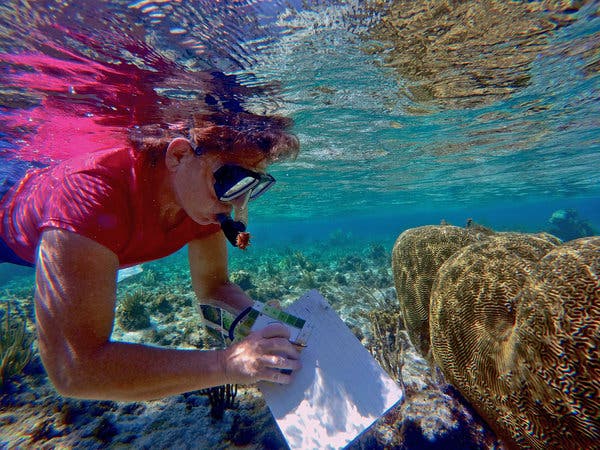
Imagine contributing to groundbreaking marine research while exploring the ocean's wonders. Forget passive tourism; citizen science travel offers a unique opportunity to actively participate in conservation efforts and discover the underwater world like never before. These aren't your average vacations; they're marine research vacations where you become a vital part of the scientific process, learning about the oceans and helping to protect them. For environmentally conscious travelers seeking hands-on ocean conservation trips, these voyages are a gateway to impactful and unforgettable experiences.
Explore with Purpose: Lindblad Expeditions and National Geographic
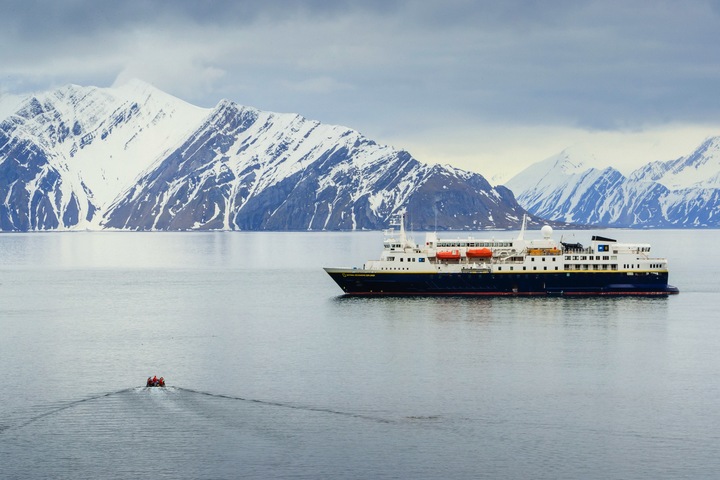
Lindblad Expeditions and National Geographic have partnered to offer expeditions that blend exploration with crucial scientific research. These voyages provide travelers with the chance to contribute directly to our understanding of marine environments. Passengers actively participate in various research projects, working alongside experienced scientists and naturalists.
Plankton Surveys: Discovering the Foundation of the Food Web
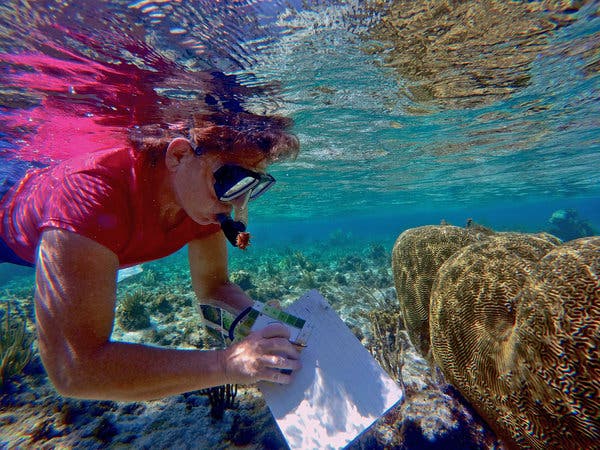
A citizen scientist collecting plankton on the deck of a Lindblad Expedition ship.
One key area of research is plankton surveys. Passengers collect samples using specialized nets and analyze them under microscopes, identifying different species and assessing their abundance. This data is vital for understanding the health of the marine food web, as plankton forms the base of the entire ecosystem. How can I contribute to ocean conservation while traveling? By participating in these surveys, you're providing valuable data points that help scientists track changes in plankton populations and understand the impacts of climate change and pollution.
Seabird Observations: Monitoring Avian Life at Sea
Another important project involves seabird observations. Passengers learn to identify different seabird species and record their numbers and behavior. This data helps scientists monitor seabird populations and understand the threats they face, such as habitat loss and plastic pollution. What qualifications do I need to join a marine research expedition? For the most part, no prior expertise is needed, just a willingness to learn and contribute!
Marine Debris Monitoring: Combating Ocean Pollution
Citizen scientists also play a critical role in marine debris monitoring. Participants collect and categorize plastic and other debris found along coastlines and in the water. This data helps scientists track the sources and distribution of marine pollution and develop strategies for reducing it. What kind of data do citizen scientists collect on sea voyages? They collect not only the amount, but the type of plastic, and even the branding in some cases.
"Citizen scientists are vital to expanding our knowledge of these complex ecosystems," says Sven Lindblad, Founder of Lindblad Expeditions. "Their observations provide critical data that informs conservation efforts."
Echolocation Explorers: The Wild Dolphin Project in the Bahamas
The Wild Dolphin Project (https://www.wilddolphin.org/) founded by Dr. Denise Herzing, offers a unique opportunity to study the communication and behavior of wild dolphins in their natural habitat in the Bahamas. This ethical marine tourism opportunity allows you to contribute to long-term research efforts.
Decoding Dolphin Communication: Underwater Acoustics Research
A citizen scientist using a hydrophone to record dolphin vocalizations.
Citizen scientists assist researchers by collecting acoustic data using hydrophones, underwater microphones that capture dolphin vocalizations. Volunteers learn to use this equipment and record the clicks, whistles, and other sounds that dolphins use to communicate. The Wild Dolphin Project volunteer requirements are simple: enthusiasm for learning and respecting the animals. Volunteers learn to use hydrophones to record dolphin vocalizations, contributing to our understanding of their complex language.
Identifying Individual Dolphins: Understanding Social Structures
Participants also help identify individual dolphins based on their unique markings and scars. By documenting their social interactions and family relationships, citizen scientists contribute to a better understanding of dolphin social structures and behavior. This is a classic example of hands-on ocean conservation trips.
"Citizen scientists are essential to our long-term research," says Dr. Denise Herzing. "They provide valuable eyes and ears in the field, helping us track dolphin behavior and monitor their health." Why participate in marine research as a tourist? Because your contribution makes a real difference!
Guardians of the Hammerheads: Bimini Sharklab Research Expeditions
The Bimini Sharklab (https://www.biminisharklab.com/) in Bimini, Bahamas, offers research expeditions focused on the fascinating hammerhead sharks, pioneered by Dr. Samuel Gruber. These expeditions provide a marine research experience like no other.
Tagging and Tracking: Understanding Shark Movements
Divers carefully tagging a hammerhead shark.
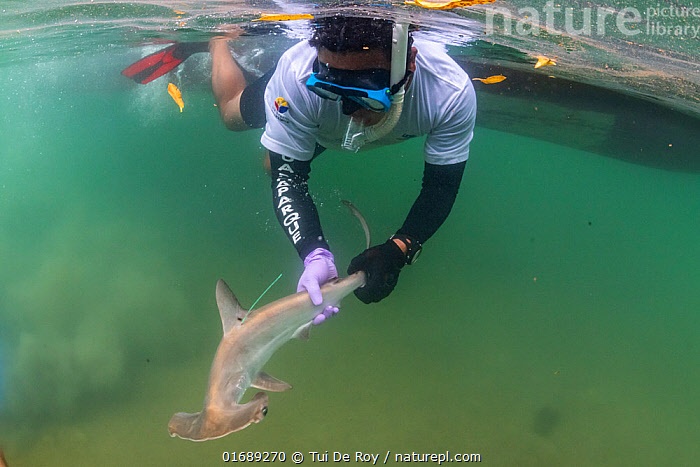
Divers assist in data collection by tagging sharks with acoustic transmitters, conducting visual surveys, and collecting tissue samples for genetic analysis. The data types collected include fin clips for DNA analysis and accelerometer data for movement patterns. How much does citizen science travel cost? Programs like the Bimini Sharklab may vary in cost depending on duration, lodging, and the level of experience.
Visual Surveys and Tissue Sampling: Assessing Shark Health
Citizen scientists participate in visual surveys to assess the health and abundance of shark populations. They also assist in collecting tissue samples for genetic analysis, which helps scientists understand shark diversity and population structure. Are citizen science travel trips ethical? Absolutely, as long as research is conducted responsibly and with minimal impact on the animals.
"Our citizen science expeditions allow us to gather critical data on shark populations, which is essential for developing effective conservation strategies," explains a Bimini Sharklab researcher. "Volunteers are directly contributing to our understanding of these apex predators."
Ready to dive in? Consider participating in these citizen science programs. Your contribution can make a real difference in protecting our oceans.
If you're unable to join a voyage, you can still support these vital research efforts by donating to their organizations and helping them continue their important work. What is citizen science in marine research? It's an invaluable way for everyday people to contribute meaningfully to protecting our oceans. Is citizen science travel tax deductible? You should seek advice from a tax professional.
Conclusion: Your Journey, Their Future
Citizen science travel offers a transformative experience, allowing you to explore the ocean's wonders while actively contributing to its conservation. Whether you're surveying plankton, recording dolphin sounds, or tagging sharks, you can make a tangible difference in protecting marine environments. Embrace the opportunity to explore with purpose and become a guardian of our oceans.