Dive Deeper: Sustainable Sea Adventures That Mak...
Are you dreaming of turquoise waters, vibrant coral reefs, and unforgettable marine encounters? What if you could experience all of this while actively contributing to ocean conservation? Sustainable ocean tourism offers a way to travel responsibly, minimizing your environmental impact and supporting the communities dedicated to protecting our seas. This guide will explore ethical sea adventures, from snorkeling for coral restoration to eco-friendly island stays, showing you how to make a real difference with your next vacation. Explore ethical sea adventures now!
Conservation Tourism: Travel That Gives Back
Conservation tourism is a form of travel that directly benefits environmental conservation efforts. It's about choosing experiences that minimize negative impacts and maximize positive contributions to the preservation of natural environments and wildlife. By participating in conservation tourism, you not only enjoy incredible destinations but also support vital research, habitat restoration, and community development. Choosing ethical sea adventures can drastically improve the overall quality of our oceans.
Snorkeling for Coral Restoration
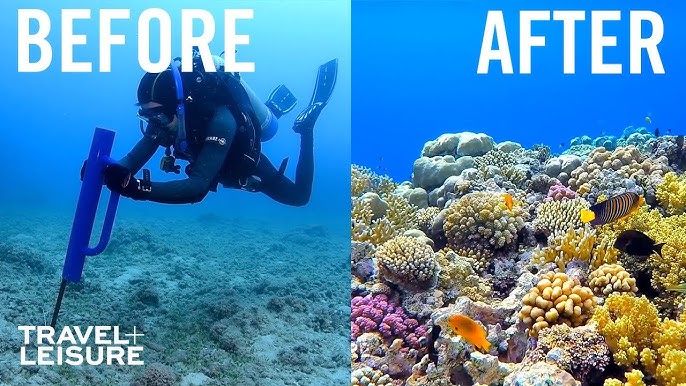
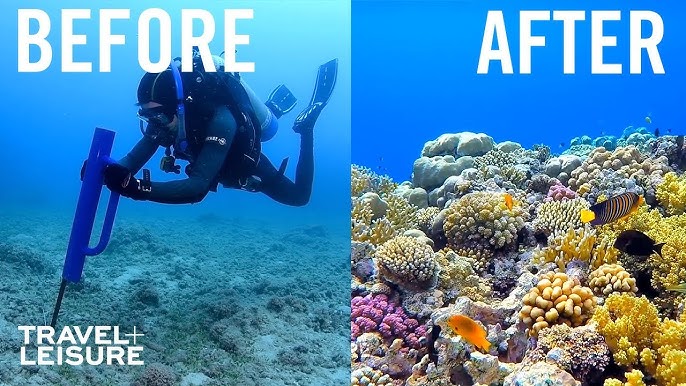
Coral reefs are vital ecosystems, supporting a quarter of all marine life. However, they are under threat from climate change, pollution, and destructive fishing practices. Coral restoration tourism offers a hands-on way to help these vital habitats recover.
The Great Barrier Reef, Australia
The Great Barrier Reef, a UNESCO World Heritage site, is one of the world's most iconic natural wonders. Sadly, it has suffered significant coral bleaching events. Fortunately, many tour operators are actively involved in coral restoration projects, allowing you to participate directly in the reef's recovery.
Consider booking a tour with Reef Magic Cruises. They work closely with marine biologists and have a dedicated coral nursery program where you can learn about coral propagation and even help plant new coral fragments.
Another excellent option is Wavelength Reef Cruises, known for its commitment to sustainable practices and educational tours led by marine biologists. They offer guided snorkeling tours to specific sites where you can observe coral restoration efforts firsthand.
By choosing these Indigenous-led or sustainability-focused operators, you support Indigenous communities and contribute directly to the long-term health of the Great Barrier Reef.
Swimming with Sea Turtles in Akumal Bay, Mexico
Akumal Bay in Mexico is renowned for its resident sea turtle population. However, mass tourism has put immense pressure on these gentle creatures. To ensure responsible interaction, avoid large tour groups and opt for smaller, locally-owned operations. These businesses often prioritize turtle conservation and educate visitors on responsible viewing practices. By choosing these tours, you are directly supporting the local economy and contributing to the sustainable management of Akumal Bay's sea turtle population.
Eco-Friendly Island Stays
Choosing sustainable accommodations is a crucial step in minimizing your environmental footprint while traveling. From composting toilets to filtered water refills, these eco-friendly options offer a responsible way to enjoy island paradise.
The Gili Islands, Indonesia
The Gili Islands (Trawangan, Meno, and Air) are known for their pristine beaches and vibrant marine life. Several locally-owned bungalows on these islands are committed to sustainable practices. Look for accommodations that utilize composting toilets, which significantly reduce water consumption and wastewater pollution. Many also offer filtered water refills to minimize plastic waste.
Two excellent choices include:
- Majo Private Villas (Gili Trawangan): Known for its commitment to sustainability, including composting toilets and supporting local initiatives.
- Tanah Menak (Gili Air): Offers traditional bungalows built with local materials and focuses on reducing plastic waste.
Composting toilets are a fantastic way to conserve water, reduce the strain on local sewage systems and diminish harmful runoff. By choosing accommodations that offer filtered water refills, you significantly reduce your plastic consumption, helping to keep these beautiful islands pristine.
Jean-Michel Cousteau Resort, Fiji
For a luxurious eco-conscious experience, consider the Jean-Michel Cousteau Resort in Fiji. This resort has a dedicated on-site marine biologist and a strong focus on marine conservation. It supports various initiatives, including:
- Coral Farming: The resort actively propagates coral fragments to restore damaged reefs in the surrounding waters.
- Mangrove Restoration: Mangrove forests are vital nurseries for marine life and protect coastlines from erosion. The resort invests in mangrove planting and conservation efforts.
Citizen Science at Sea
Participating in citizen science projects allows you to contribute directly to marine research and conservation. These projects rely on volunteers to collect valuable data and monitor marine environments.
Reef Monitoring with the Marine Conservation Society (UK)
The Marine Conservation Society (MCS) in the UK offers opportunities to participate in reef monitoring activities. Volunteers collect data on the abundance and diversity of marine life, helping scientists track changes in reef ecosystems. You can learn more and get involved on their website: Marine Conservation Society.
Beach Cleanups with Sustainable Coastlines (Hawaii)
Sustainable Coastlines in Hawaii organizes regular beach cleanups to remove plastic and other debris from coastal areas. Volunteering for a beach cleanup is a simple yet impactful way to protect marine life and preserve the beauty of Hawaii's beaches. You can register for upcoming events and learn more on their website. Expect to spend a few hours collecting and sorting trash, contributing to a cleaner and healthier ocean.
Ethical Animal Tourism
Interacting with marine animals can be an incredible experience, but it's crucial to ensure that these interactions are ethical and do not harm the animals or their habitats.
Responsible Whale Watching in Iceland
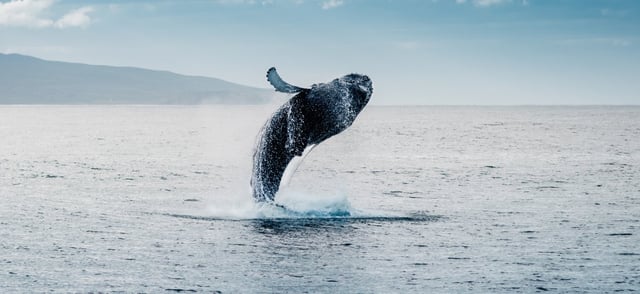
Iceland is one of the best places in the world for whale watching. To ensure minimal disturbance to the whales, choose tour operators that adhere to strict guidelines.
Two reputable companies known for their ethical practices are:
- North Sailing: Pioneers in sustainable whale watching, they use electric boats to minimize noise pollution and prioritize whale welfare.
- Elding Whale Watching: Follows a strict code of conduct, maintaining a safe distance from whales and educating passengers about responsible viewing practices.
These companies follow guidelines such as maintaining a respectful distance from the whales, avoiding sudden movements or loud noises, and limiting the amount of time spent observing individual animals.
Sloth Sanctuary in Costa Rica
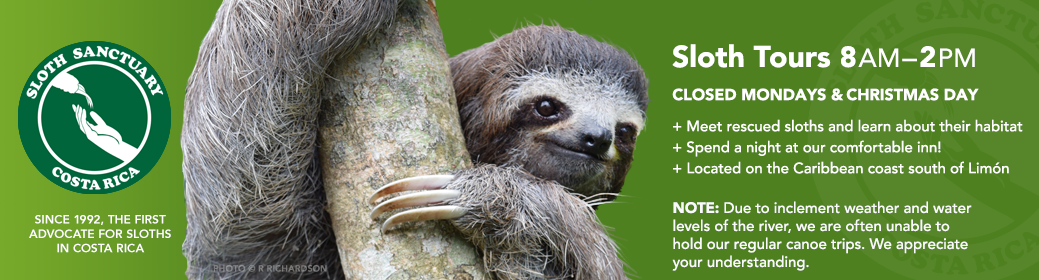
The Sloth Sanctuary in Costa Rica is dedicated to rescuing and rehabilitating injured and orphaned sloths. By visiting the sanctuary, you support their vital work and learn about these fascinating creatures. You can donate to support their work or even volunteer your time to help care for the sloths. Sloth Sanctuary
Practical Tips for Sustainable Travel
Here are a few simple steps you can take to minimize your impact on the environment while enjoying sea adventures:
- Pack a reusable water bottle and refill it whenever possible.
- Use reef-safe sunscreen to protect coral reefs from harmful chemicals.
- Choose accommodations and tour operators committed to sustainable practices.
- Reduce your plastic consumption by avoiding single-use plastics.
- Support local businesses and communities.
Ready to make a difference with your next vacation? Book your sustainable sea adventures through vistalocation.com and explore the world responsibly. Let's protect our oceans, one adventure at a time.