Dive Deeper: Sustainable Sea Adventures That Hea...
Every minute, the equivalent of two garbage trucks of plastic enter our oceans. But what if your next vacation could be part of the solution? vistalocation.com unveils incredible travel experiences that not only offer adventure but actively contribute to ocean restoration. From seaweed farming in Zanzibar to coral gardening in the Maldives, discover how you can dive deeper into sustainable sea adventures and help heal our planet's most precious resource. Are you ready to turn your vacation into a force for good?
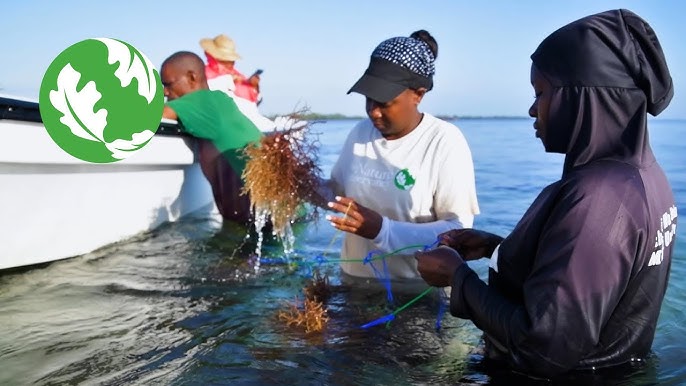
Seaweed Farming Immersion in Zanzibar
Transition from general cruises to sustainable aquaculture with a transformative 3-day/2-night experience in Zanzibar. Seaweed farming plays a crucial role in carbon sequestration and community empowerment, offering a unique opportunity to learn about and support this eco-friendly practice. Zanzibar's warm waters are perfect for Eucheuma spinosum and Kappaphycus alvarezii, two species that are extremely efficient in absorbing CO2.
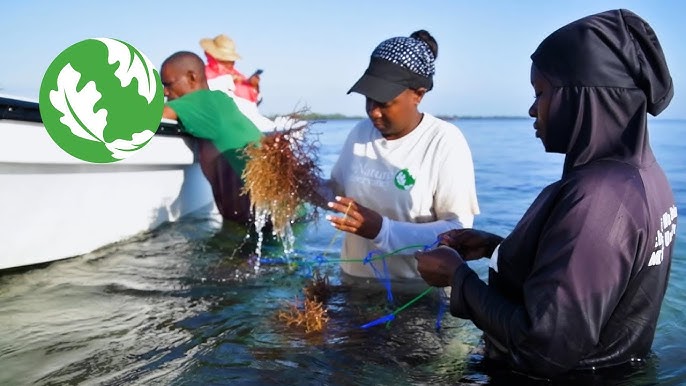
Immerse yourself in the daily life of Zanzibari women's cooperatives by visiting the Seaweed Center [https://www.seaweedcenter.com/]. This innovative organization not only cultivates seaweed but also produces natural skincare products, providing sustainable livelihoods for local women. A tour, including demonstrations and hands-on experience, typically costs around $50-$75 per person. Contact them directly through their website or by email for booking inquiries. Book your trip through vistalocation.com approved eco-tour operators and support Zanzibari women's cooperatives.
Snake Island Conservation in Mauritius: Round Island Sanctuary Expedition
Shift from general wildlife encounters to a focused species recovery mission on Round Island Sanctuary in Mauritius. This unique ecosystem is home to endangered snake species like the Keel-Scaled Boa and Telfair's Skink, and ongoing efforts are crucial for their survival. Round Island is a "living laboratory" where the removal of invasive species has led to dramatic ecosystem recovery, proving that even seemingly hopeless situations can be reversed with dedicated effort.
Partner with the Mauritian Wildlife Foundation [https://mauritian-wildlife.org/], the main stakeholder involved in Round Island conservation. While direct access to the island is restricted to researchers and conservationists, you can significantly contribute by donating to their conservation programs through their website. These donations support crucial activities such as habitat restoration, invasive species control, and species monitoring.
Promote awareness by engaging in guided hiking tours on mainland Mauritius that focus on the island's ecosystem and conservation challenges. Ensure that tours discuss Round Island's delicate ecosystem and the strict measures necessary to protect it. These educational tours help spread awareness, but the most direct impact is supporting the Mauritian Wildlife Foundation.
Coral Reef Restoration in Cabo Pulmo National Park, Mexico
Replace generic coral reef experiences with the inspiring success story of Cabo Pulmo National Park in Mexico. Local communities transformed Cabo Pulmo from an overfished area to a thriving marine reserve through active coral restoration projects. Through dedication and collaboration, Cabo Pulmo increased its marine biomass by over 400% in just two decades.
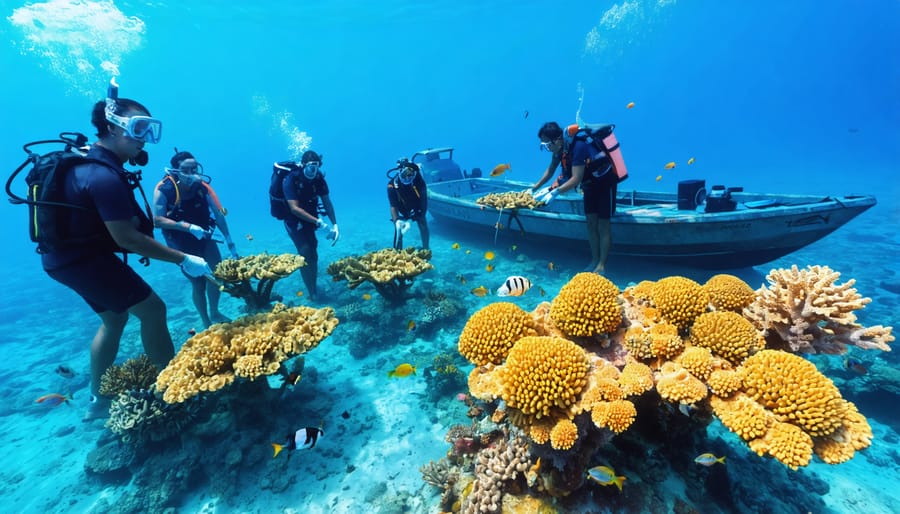
Volunteer with the Cabo Pulmo Divers, a community-led organization that offers hands-on coral gardening experiences. Participants learn to propagate coral fragments on artificial reefs, contributing directly to the reef's recovery.
During a typical 4-hour session, costing approximately $100-$150, volunteers learn about coral biology and restoration techniques. They then help attach coral fragments of species like Acropora palmata (Elkhorn coral) to specially designed artificial structures. Contact Cabo Pulmo Divers through their website or local dive shops in Cabo Pulmo for more information and booking.
Documenting Marine Microplastics: A Citizen Science Adventure
Move from ethical photography to a hands-on approach to pollution monitoring. Travelers can use the Paralenz Vaquita camera (with its built-in depth sensor, geo-tagging, and integration with marine research databases) to document microplastic pollution during dives. The Paralenz Vaquita, unlike standard underwater cameras, is designed specifically for marine research, allowing you to transform your vacation into a valuable data-gathering mission.
Participate in workshops organized by the 5 Gyres Institute [https://www.5gyres.org/]. Citizen scientists using Paralenz Vaquita cameras can upload geo-tagged images directly to their database, contributing to global pollution mapping. These workshops, ranging from one-day introductory sessions to multi-day expeditions, provide training on microplastic identification and data collection methods.
3D-Printed Reefs: Dive into Innovation with Reef Design Lab
From biodegradable fishing lines to an innovative solution for reef degradation, 3D-printed reefs offer a promising path forward. Highlight Reef Design Lab's [https://www.reefdesignlab.com/] projects, specifically showcasing their work in creating artificial reefs using 3D-printing technology. These reefs are designed to mimic natural coral structures, providing habitat for marine life and promoting coral growth.
Explore specific case studies, such as projects in the Maldives or Australia, on Reef Design Lab's website. Opportunities for certified divers to participate in reef installation projects are occasionally available. Check their website for upcoming volunteer opportunities and project updates. Emphasize the eco-friendliness of their materials and designs, detailing how they promote coral growth and provide habitat for marine life.
Sustainable Seafood Choices with FishChoice.org
Shift from generic sustainable seafood apps to a B2B platform driving sustainability. Encourage travelers to support eco-lodges and restaurants sourcing sustainable seafood verified through FishChoice.org [https://www.fishchoice.org/]. This platform connects businesses with sustainable seafood suppliers, promoting responsible fishing practices.
Before booking your stay or making a reservation, check if the establishment partners with suppliers listed on FishChoice.org. By choosing restaurants that prioritize sustainable seafood, you directly support responsible fishing practices. B2B websites help hotels and resorts choose sustainable suppliers to boost environmental efforts.
Coral Gardening in the Maldives with Six Senses Laamu
From general citizen science to a resort-led coral conservation initiative, the coral gardening project at Six Senses Laamu [https://www.sixsenses.com/en/resorts/laamu/sustainability] offers a unique opportunity to contribute to reef restoration. Guests can participate in propagating and planting coral fragments on degraded reefs.
Explain the process of coral fragment collection, nursery propagation, and outplanting. Provide information on how to book a coral gardening experience with the resort and the impact of these efforts on reef health. Guests typically participate in a guided snorkeling or diving session to collect coral fragments, which are then nurtured in an underwater nursery before being transplanted back onto the reef. Contact Six Senses Laamu directly for booking and pricing details.
GHOST NET Nightmare: Can We SAVE The Babies?!
Viral Video Enhancement:
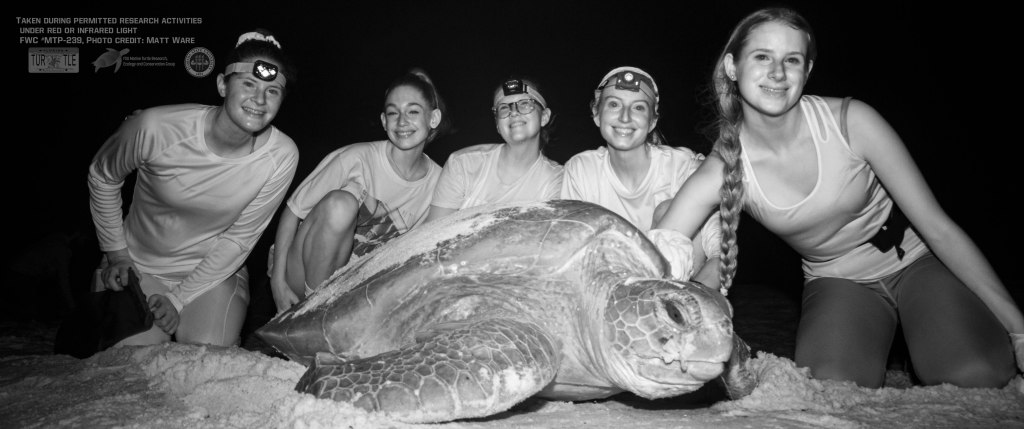
HOOK: (0-3 seconds) Start in medias res: Rapidly rising shot from underwater showing a newly hatched Kemp's Ridley sea turtle (SPECIFIC hatchling species) struggling violently, its flippers tangled in a fragment of a brightly colored GHOST FISHING NET (Specific type of trash).
SCENE: Underwater, cinematic 4K, shot on RED camera, slightly murky water with dramatic sunlight shafts. Low-angle shot to emphasize the turtle's vulnerability. Golden hour lighting. GoPro POV from the turtle's perspective briefly as it thrashes.
TWIST: (5-7 seconds) A human hand (wearing a dive glove) suddenly appears and carefully cuts the turtle free. Slow-motion shot of the turtle swimming towards the surface.
VISUAL STYLE: Cinematic, emotionally resonant.
EMOTION: Anxiety, hope, relief.
CLARITY: The struggle is clear at a glance. The intervention is immediate and decisive.
CAMERA WORK: Rapidly rising shot, GoPro POV, slow-motion liberation, dramatic close-up of the turtle's eye as it breaks the surface.
LIGHTING: Golden hour sunlight piercing the water.
COMPOSITION: Low-angle, depth of field focusing on the turtle and the net.
PACING & STRUCTURE: Start with action, deliver the punch early, focus on one main idea (threat + rescue).
SURPRISE: The sudden appearance of the rescuer's hand is the element of surprise.
Second Scene (after rescue):
- Show clips of the specific initiatives described in the blog post (seaweed farming in Zanzibar, coral restoration in Cabo Pulmo, the Round Island Conservation efforts) using fast cuts and upbeat music.
- End with a call to action on screen: "Dive In & Save Our Oceans! Visit vistalocation.com to plan YOUR eco-adventure!" Show the website URL prominently."
Sustainable Sea Adventures: A Force for Ocean Conservation
Your next adventure can be more than just a vacation; it can be a force for ocean conservation. Visit vistalocation.com to book your eco-adventure and help protect our planet’s most precious resource. Dive deeper, travel responsibly, and make a difference in the world's oceans.