Dive Deeper: Immersive Sea Adventures that Make...
Are you an eco-conscious traveler seeking unforgettable experiences that also contribute to the health of our oceans? At Vistalocation.com, we believe that travel should be both exciting and responsible. That's why we've curated a selection of sustainable marine experiences that allow you to connect with the underwater world while supporting conservation efforts. From kayaking through a bioluminescent bay to participating in dolphin research and snorkeling with whale sharks ethically, these eco-tourism sea adventures offer a unique blend of adventure and purpose. Join us as we explore three incredible journeys that will leave you with lasting memories and a deeper appreciation for our planet.
Bioluminescent Wonders: Kayaking in Vieques, Puerto Rico
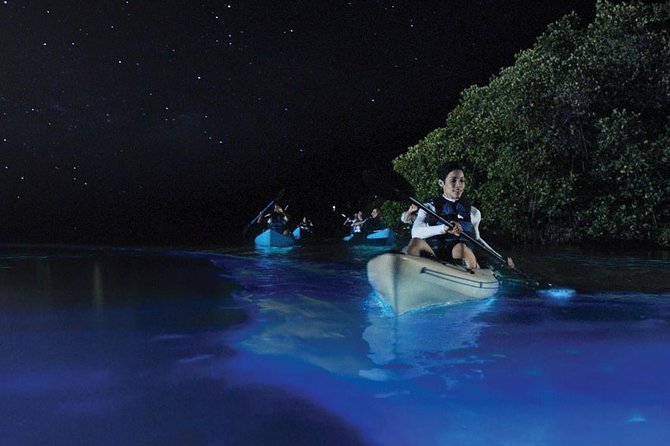
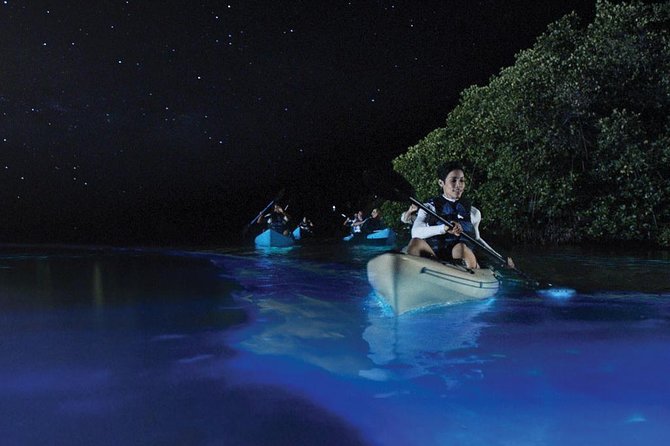
Imagine gliding through the water on a moonless night, surrounded by a magical glow. In Mosquito Bay, Vieques, Puerto Rico, this dream becomes a reality. This bioluminescent bay is one of the brightest in the world, offering a truly unforgettable kayaking experience. The magic comes from bioluminescence, a natural phenomenon where microorganisms called dinoflagellates emit light when disturbed. These tiny organisms create a breathtaking display as your paddle cuts through the water, leaving a trail of shimmering blue light.
Booking Your Eco-Friendly Kayak Tour
To experience this natural wonder responsibly, it's crucial to choose a reputable, eco-friendly tour operator. Several companies in Vieques are committed to minimizing their impact on the delicate ecosystem. Here are a couple of options:
- Abe's Snorkeling & Bio Bay Tours: https://www.abessnorkeling.com/bio-bay Abe's has been providing tours in Vieques for years and are known for their commitment to responsible tourism. They use kayaks that minimize disturbance to the bay and educate guests about the importance of conservation.
- Black Beard Sports: https://blackbeardsports.com/bio-bay-tours/ Black Beard Sports provides kayak tours and makes sure the groups are small. They make sure to turn off any lights when possible to minimize light pollution.
These tour operators typically adhere to strict eco-credentials, including:
- Minimal Light Pollution: Using only red-filtered lights to avoid disrupting the dinoflagellates' natural rhythms.
- Respect for the Ecosystem: Avoiding touching the water or disturbing the sediment, which can harm the microorganisms.
- Small Group Sizes: Limiting the number of kayaks per tour to reduce overall impact.
- Education and Awareness: Providing guests with information about the bioluminescent bay and the importance of protecting it.
Responsible Tourism: Protecting the Magic
Mosquito Bay is a fragile ecosystem, and responsible tourism is essential for its survival. Pollution, over-tourism, and improper practices can all negatively impact the bioluminescence. By choosing eco-friendly tour operators and following their guidelines, you can help protect this natural wonder for future generations. Responsible practices include:
- Staying on designated paths and avoiding trampling vegetation.
- Not using insect repellent or sunscreen in the water.
- Avoiding any activity that could disturb the sediment.
- Respecting the quiet and tranquility of the bay.
Book your affordable eco-friendly travel to experience the bioluminescence of Vieques.
Bioluminescent Bay Facts
-Dinoflagellates cause bioluminescence.
-Light pollution and pollution can harm the bioluminescent bay.
-Tour operators follow conservation initiatives to preserve the bay.
Book your Bioluminescent Bay Kayak Tour through Vistalocation.com and support local conservation efforts.
Citizen Science in Sarasota Bay: Unlocking the Secrets of Dolphin Communication
Venture into the world of marine biology and contribute to vital research with the Sarasota Dolphin Research Program (SDRP). Located in Sarasota Bay, Florida, this program offers a unique opportunity to participate in ongoing studies of bottlenose dolphin behavior and communication. The community-based eco-adventure allows people to learn about marine life.
The Sarasota Dolphin Research Program (SDRP)
The SDRP is a long-term research program dedicated to understanding bottlenose dolphins and their environment. For decades, SDRP scientists have been studying the local dolphin population, gathering data on their behavior, communication, genetics, and health. Their research provides valuable insights into dolphin intelligence and the challenges they face in a changing world.
Become a Citizen Scientist
Now, you can join the SDRP team as a citizen scientist! This immersive experience allows you to assist with data collection and observation, contributing directly to the program's research efforts.
- Time Commitment: Programs vary in length, from day-long excursions to multi-day expeditions.
- Skill Requirements: No prior scientific experience is necessary. SDRP provides training on data collection methods and dolphin identification. A willingness to learn and a passion for marine conservation are the key requirements.
- Costs Involved: Program fees vary depending on the length and type of expedition. These fees help support the SDRP's research and conservation efforts.
The Importance of Dolphin Research
Understanding dolphin communication is crucial for protecting these intelligent creatures and their habitat. SDRP's research helps us:
- Learn about the complexities of dolphin social structures and behaviors.
- Identify threats to dolphin populations, such as pollution, habitat loss, and entanglement in fishing gear.
- Develop effective conservation strategies to protect dolphins and their environment.
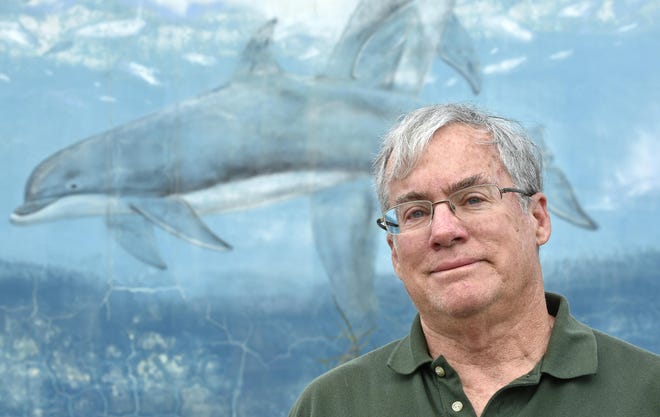
"Citizen science plays a vital role in our research," says Dr. Katie McHugh, a research scientist at SDRP. "By involving the public, we can gather more data and raise awareness about dolphin conservation. Tourism can have a negative impact on dolphin populations if not managed responsibly. It is vital that boat tours and other recreational activities follow guidelines to minimize disturbance to dolphins."
Dolphin Communication Facts
-Understanding dolphin communication is crucial to protecting the habitat of dolphins.
-Citizen science helps raise awareness about dolphin conservation.
-Negative impacts on dolphins can result from tourism if not managed properly.
Learn more about the Sarasota Dolphin Research Program and how you can contribute at https://www.sarasotadolphin.org/. Plan your visit to Sarasota Bay with eco-friendly lodging options via Vistalocation.com.
Gentle Giants of Isla Mujeres: Snorkeling Sustainably with Whale Sharks
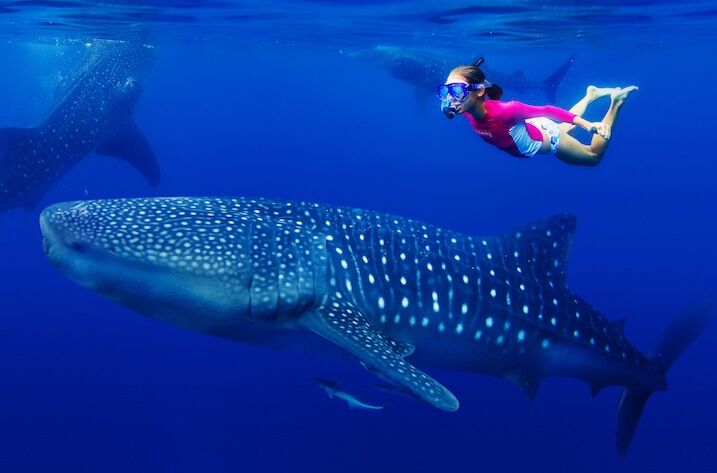
Each summer, the waters off Isla Mujeres, Mexico, become a gathering place for the world's largest fish: the whale shark. These gentle giants migrate to the Yucatan Peninsula to feed on plankton, offering a unique opportunity for snorkelers to witness their majesty up close. However, it’s crucial to participate in this sustainable whale shark snorkeling Mexico in an ethical and responsible manner.
The Beauty and Majesty of Whale Sharks
Whale sharks are filter feeders, meaning they swim with their mouths open, filtering plankton and small fish from the water. Despite their enormous size (they can grow up to 40 feet long!), they are gentle and harmless to humans. Snorkeling alongside these magnificent creatures is an awe-inspiring experience that will leave you with a profound sense of wonder.
Responsible Snorkeling Guidelines
To ensure the safety of both snorkelers and whale sharks, it's essential to follow these guidelines:
- Maintain a Safe Distance: Stay at least 10 feet away from the whale sharks.
- Avoid Touching: Never touch or try to ride the whale sharks.
- No Flash Photography: Flash photography can startle and disorient the whale sharks.
- Minimal Disturbance: Avoid making loud noises or splashing excessively.
- Use Reef-Safe Sunscreen: Protect the whale sharks and their environment by using sunscreen that is free of harmful chemicals.
Ethical Tour Operators in Isla Mujeres
Choosing a tour operator that adheres to ethical guidelines is paramount. Look for companies that:
- Limit Group Sizes: Smaller groups minimize the impact on the whale sharks.
- Employ Experienced Guides: Knowledgeable guides can educate you about whale shark behavior and conservation.
- Contribute to Conservation Efforts: Some tour operators donate a portion of their profits to local conservation organizations.
Here are a couple of examples:
- EcoColors Tours: https://ecotourscancun.com/whale-shark-tours/ EcoColors Tours is a company with sustainability as their key component, offering unique tours. All of their tours have a focus on conservation.
- Ocean Tours Mexico: https://oceantoursmexico.com/tour/whale-shark-adventure-islamujeres/ This company provides high-quality ecotourism, with an emphasis on being friendly to the environment. They partner with local organizations and participate in community based conservation programs.
Responsible Tourism Benefits
When managed responsibly, whale shark tourism can benefit the local community and contribute to the protection of these magnificent creatures. Tourism revenue can support conservation efforts, provide jobs for local residents, and raise awareness about the importance of marine conservation.
Whale Shark Facts
-Whale shark tourism benefits the local community.
-Tour revenue can support conservation efforts and provide jobs for residents.
-Tourism can raise awareness about marine conservation.
Plan your ethical Whale Shark snorkeling adventure in Isla Mujeres through Vistalocation.com. A portion of your booking supports local conservation initiatives.
At Vistalocation.com, we are committed to promoting responsible travel sea adventures that benefit both travelers and the planet. We believe that travel should be an opportunity to learn, connect, and contribute to the well-being of our environment. Explore other impactful adventure travel opportunities on our website and discover how you can make a difference on your next vacation.