Dive Deeper: Ethical Sea Adventures that Protect...
Forget postcard-perfect sunsets; your next sea adventure can directly fuel marine conservation. Tired of simply observing the ocean? What if your travels could actively contribute to its well-being? In this post, we explore ethical sea adventures that prioritize research, conservation, and the long-term health of our marine ecosystems. From whale watching tours that directly fund research to shark tagging expeditions and sustainable cruising, discover how you can explore differently and make a positive impact on our planet’s oceans.
Atlantic Whale and Dolphin Foundation Tenerife: Citizen Science in Action
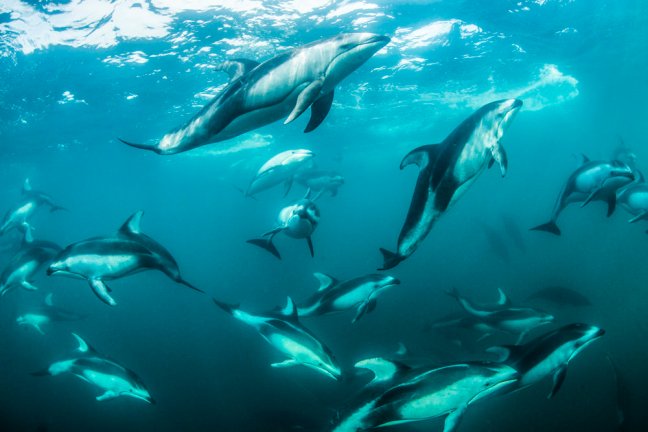
Imagine contributing to vital research while witnessing the majesty of pilot whales and dolphins in their natural habitat. The Atlantic Whale and Dolphin Foundation Tenerife makes this a reality. Their focus is on photo-identification studies, a non-invasive technique used to track migration patterns and assess population health of these incredible creatures. Tourist contributions directly fund these crucial research efforts.
In 2023 alone, the Foundation logged over 3,000 individual pilot whale sightings, contributing to a 15-year dataset. This extensive data helps scientists understand the complex lives of these marine mammals and develop effective conservation strategies.
According to Ana Perez, Lead Researcher: "Every photograph taken by our guests is a vital piece of the puzzle in understanding the lives of these magnificent creatures."
Book a responsible whale watching tour with the Atlantic Whale and Dolphin Foundation and directly contribute to their ongoing research.
Guadalupe Island Conservation Fund & Nautilus Belle Amie: Tagging Great Whites for Science
Shifting our focus to shark conservation, we highlight the vital work being done at Guadalupe Island, a renowned hotspot for great white sharks. The Nautilus Belle Amie, a liveaboard dive vessel, partners with the Guadalupe Island Conservation Fund to conduct an acoustic tagging program for these apex predators.
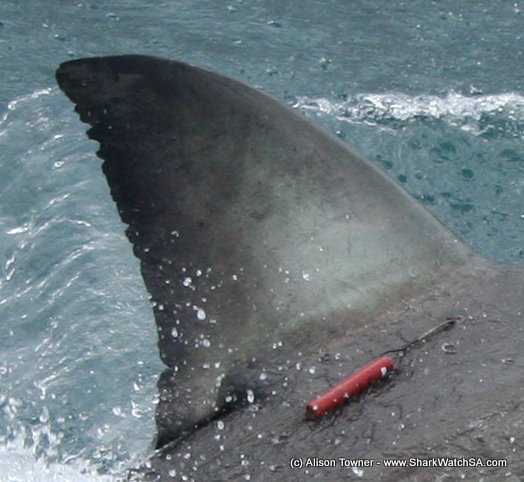
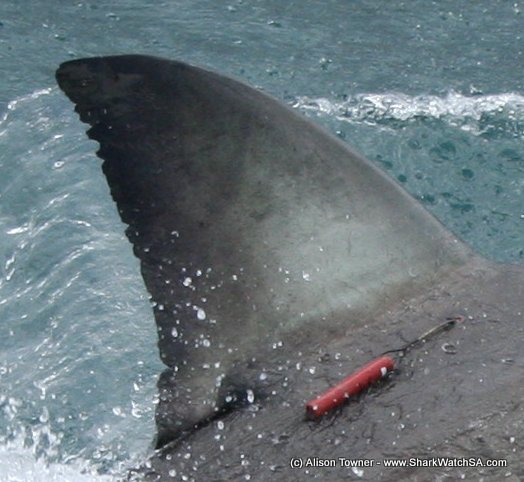
These tags provide real-time data on shark movements, behavior, and habitat use. This information is critical for understanding their role in the ecosystem and developing effective conservation strategies to protect them from threats like fishing and habitat degradation.
Since 2018, the program has successfully tagged and tracked 47 individual great white sharks around Guadalupe Island. This extensive tracking allows researches to learn where these sharks migrate, what are their feeding behaviors and how to best protect them.
Dr. Mauricio Hoyos Padilla, a member of the Guadalupe Island Conservation Fund, emphasizes the importance of this collaboration: "Our partnership with Nautilus Belle Amie allows us unprecedented access to these incredible animals, enabling us to gather critical data for their protection."
Support the Guadalupe Island Conservation Fund's acoustic tagging program by donating at [insert donation link].
"The World" Residences at Sea: A Floating Lab for Ocean Research
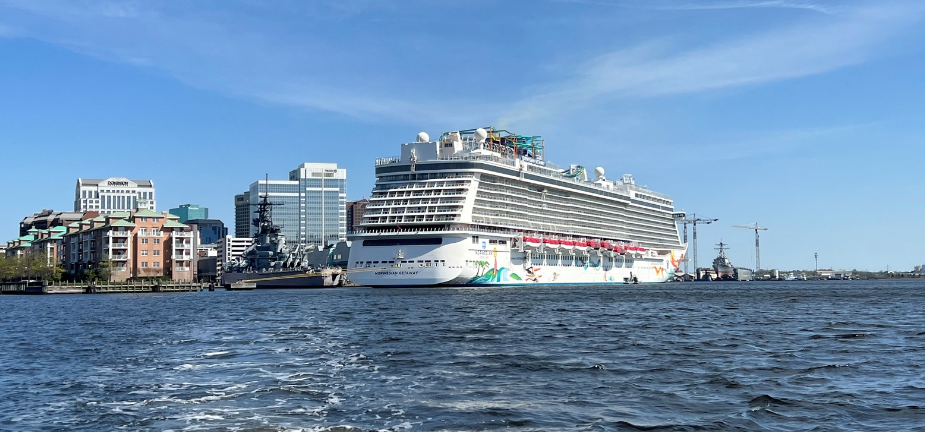
Beyond specific tour operators, the concept of sustainable cruising is gaining traction. "The World" Residences at Sea offers a unique approach, integrating scientific expeditions into their voyages. Marine biologists and oceanographers lead onboard research projects, providing residents with firsthand experience in marine conservation.
"The World" is also committed to environmental sustainability through advanced waste management systems. They utilize reverse osmosis for water purification, producing over 100,000 liters of drinking water daily, and plasma gasification for waste disposal.
The World recycles 85% of its waste, significantly exceeding industry standards, and producing over 100,000 liters of drinking water daily. This commitment to sustainability makes it a leader in responsible cruising.
Cristina Mittermeier & SeaLegacy: Visualizing Ocean Challenges and Hope
The power of visual storytelling cannot be overstated. Cristina Mittermeier and SeaLegacy are masters of capturing the beauty and fragility of our oceans. Their impactful imagery documents both the challenges and successes of ocean conservation efforts.
Through stunning photographs and compelling narratives, SeaLegacy raises awareness about critical issues like coral bleaching and plastic pollution, inspiring action and driving meaningful change. Their evocative images of coral bleaching serve as stark reminders of the devastating impacts of climate change on marine ecosystems. Similarly, their documentation of plastic pollution highlights the urgent need to reduce our reliance on single-use plastics and improve waste management practices.
SeaLegacy’s Blue Hope initiatives provide crucial funding for conservation projects around the world. Support their vital work by donating at SeaLegacy Donations.
Key Takeaways for Ethical Sea Adventures
Choosing ethical sea adventures isn't just about ticking off destinations on a bucket list; it's about actively supporting marine conservation. It’s about making informed decisions that benefit the oceans and the creatures that call them home. By supporting responsible tour operators, donating to conservation organizations, and making conscious choices about our travel habits, we can all play a part in protecting our oceans for future generations.
Your sea adventure can be a catalyst for change. Choose experiences that prioritize research, conservation, and the long-term health of our oceans. Next time, explore differently.