Dive Deeper: Ethical Sea Adventures That Give Ba...
Imagine the crystal-clear waters of a tropical paradise turned murky with plastic, the vibrant coral reefs bleached and lifeless, and the majestic marine life struggling to survive amidst the chaos of irresponsible tourism. Unfortunately, this is the reality in many coastal regions around the world. But, there's a growing movement among travelers who want to make a difference. It's about choosing experiences that not only enrich our lives but also contribute to the well-being of our oceans and the communities that depend on them. Traveling with purpose is no longer a niche trend, but a conscious decision to explore the world responsibly. Dive in with us as we explore ethical sea adventures that give back. We'll start with freediving with manta rays in Komodo National Park, followed by sailing the Dalmatian Coast sustainably, responsibly whale watching in Monterey, and finally, cage-free snorkeling with whale sharks in the Yucatan.
Dance with Giants: Ethical Freediving in Komodo's Manta Ray Sanctuary
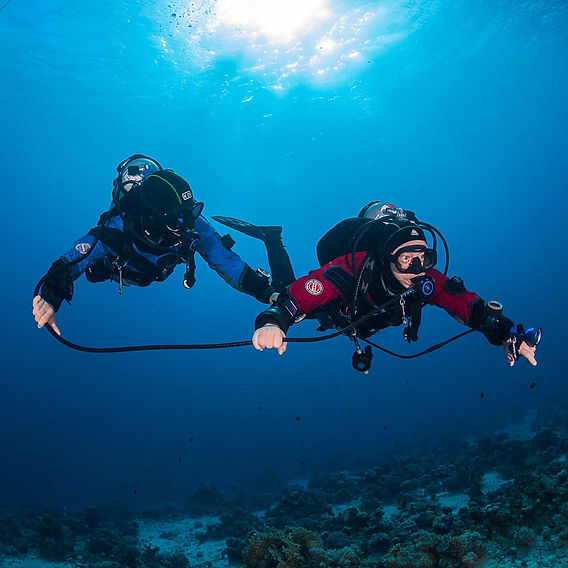
Komodo National Park in Indonesia, a UNESCO World Heritage site, is renowned for its breathtaking landscapes and diverse marine life, particularly its magnificent manta ray population. However, the increasing popularity of the region has put immense pressure on these gentle giants. Choosing ethical freediving practices with certified operators like Komodo Dive Centre is crucial for the conservation of manta ray populations. These operators prioritize sustainable tourism practices, ensuring divers respect the animals' space and minimize their impact on the fragile reef ecosystems. Ethical freediving in Komodo addresses the issues of manta ray conservation, marine debris, and reef health. By supporting these initiatives, you can help protect this incredible species and their habitat.
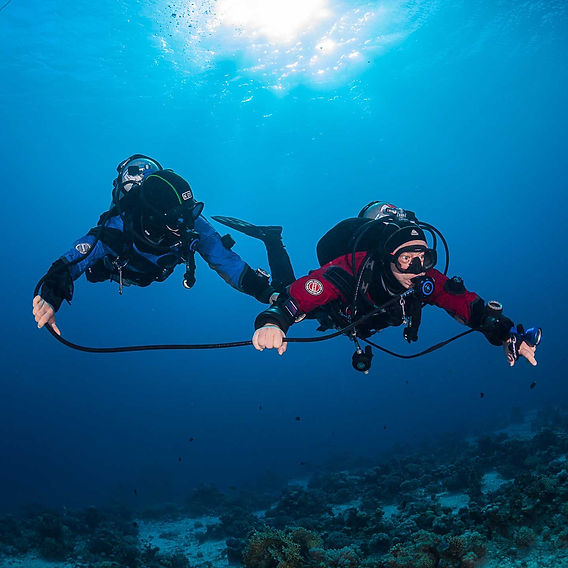
Freediving allows for a more intimate and respectful interaction with manta rays. Unlike scuba diving, freediving allows you to approach the mantas silently, without the disturbance of bubbles. This allows for a more natural encounter, minimizing stress on the animals. Before your dive, Komodo Dive Centre will educate you about manta ray behavior, what to expect during your dive, and how to respectfully interact with the manta rays. They'll also provide clear guidelines to protect the fragile reef ecosystem.
Call to Action: Book a freediving trip with Komodo Dive Centre and 5% of your booking will be donated to the Manta Trust to support manta ray research and conservation in Komodo.
Sail Croatia Sustainably: A Culinary Journey Along the Dalmatian Coast
Imagine setting sail on a traditional gulet along the stunning Dalmatian Coast of Croatia. Now, imagine doing it sustainably. This isn't just about ticking off a bucket-list destination; it's about supporting local communities and preserving cultural heritage. Choosing small, family-run gulets that source food locally, minimize environmental impact, and uphold traditional practices is the key to sustainable sailing in Croatia.
The Dalmatian Coast offers a culinary adventure as rich as its history. Imagine indulging in authentic Croatian dishes like Peka (meat and vegetables cooked under a bell), Pašticada (Dalmatian beef stew), and the freshest seafood sourced directly from local fishermen. These dishes are more than just food; they are stories passed down through generations, reflecting the region's unique cultural heritage. Family-run gulet operators, such as Andi Boats, are dedicated to preserving this heritage. Andi Boats uses solar power, greywater recycling, and collaborates with local farmers to minimize its environmental footprint. By choosing such operators, you contribute to combating overfishing, reducing plastic pollution, and preserving traditional practices.
Choosing sustainable sailing on the Dalmatian Coast allows you to experience the region's beauty responsibly while contributing to the preservation of its cultural and natural heritage. You're not just a tourist; you're a steward of the environment and a supporter of local communities.
Call to Action: Book a sustainable gulet sailing trip with Andi Boats and 5% of your booking will be donated to Mare Nostrum to support clean sea initiatives along the Dalmatian coast.
Monterey's Giants: Witness Marine Wonders Ethically in California
Monterey Bay in California is a haven for marine life, attracting whales, dolphins, and other magnificent creatures. However, irresponsible whale watching practices can disrupt their natural behaviors and harm their habitats. Choosing responsible whale and dolphin watching practices is crucial for ensuring their well-being. Support local conservation organizations and educate yourself about marine mammal behavior.
Companies like Monterey Bay Whale Watch adhere to strict guidelines to minimize disturbance to marine mammals. They maintain a safe distance, avoid sudden movements, and educate their passengers about the importance of respecting these animals. They also donate a portion of their profits to conservation efforts. You can also enrich your experience by visiting the Monterey Bay Aquarium, which offers extensive educational resources about marine life. By choosing responsible operators and educating yourself, you contribute to addressing issues like whale and dolphin entanglement, noise pollution, and marine debris.
What are the benefits of ethical whale watching?
Ethical whale watching minimizes stress on marine animals, reduces the risk of boat strikes, and promotes conservation efforts. By choosing responsible operators, you support research, education, and habitat protection.
Call to Action: Book a whale watching tour with Monterey Bay Whale Watch and 5% of your booking will be donated to Save the Whales to support their efforts in protecting marine mammals.
Gentle Giants: Swim Responsibly with Whale Sharks in the Yucatan
The Yucatan Peninsula in Mexico offers the extraordinary experience of swimming alongside whale sharks, the ocean's largest fish. However, the popularity of this activity has led to concerns about unsustainable tourism practices. Responsible and educational interactions with whale sharks are essential for their conservation and the well-being of local communities.
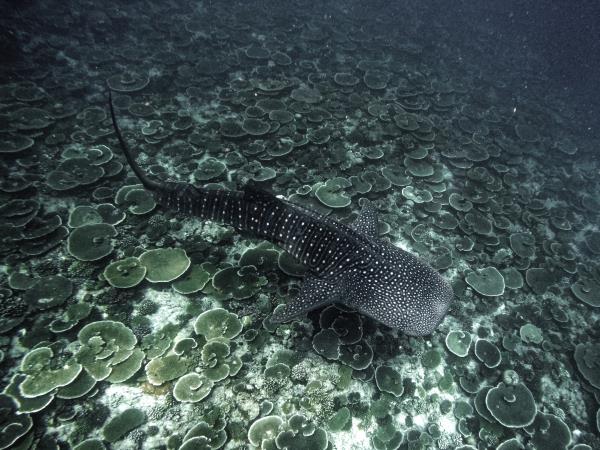
Local, community-based tour operators like EcoColors Tours prioritize the whale sharks' natural behavior. They adhere to strict snorkeling guidelines, limiting the number of swimmers per whale shark and ensuring a safe distance is maintained. These operators also contribute to scientific research and employ local guides, supporting the local economy. By choosing these operators, you contribute to addressing whale shark conservation, promoting sustainable tourism, and supporting local economic development.
How can I travel sustainably on the sea?
- Choose responsible tour operators who prioritize conservation.
- Respect marine life and their habitats.
- Reduce your plastic consumption.
- Support local communities.
- Educate yourself about marine conservation issues.
Call to Action: Book a snorkeling experience with EcoColors Tours and 5% of your booking will be donated to Whale Shark Mexico to support their whale shark conservation and research efforts in the Yucatan Peninsula.
Conclusion
Choosing ethical sea adventures is not just a trend; it's a responsibility. By prioritizing sustainability and responsible tourism, we can protect our oceans and support the communities that depend on them. Whether it's freediving with manta rays, sailing the Dalmatian Coast, whale watching in Monterey, or snorkeling with whale sharks, every choice we make has an impact. Let's make those choices count.
Final Call to Action: Visit vistalocation.com to discover more responsible travel options and plan your next adventure with purpose.