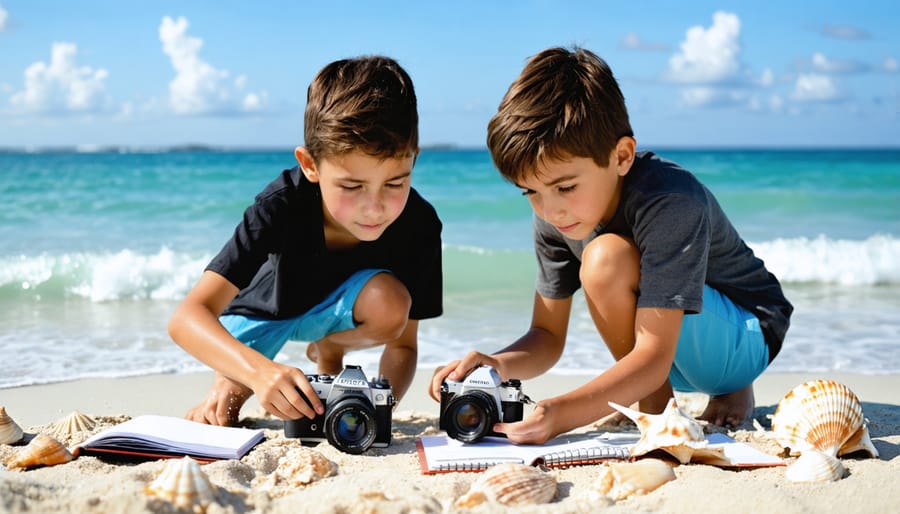
Dive Deep: Your Role in Ocean Conservation Throu...
Our oceans are in crisis, but hope lies in action. The threats of climate change, pollution, and overfishing loom large, impacting marine ecosystems and the planet as a whole. But there’s a powerful way to make a difference: citizen science. Discover how you can transform your next vacation into a vital contribution to marine research and conservation, directly impacting the health of our oceans. It's time to participate in marine conservation!
Become a Citizen Scientist: Real Impact in the Field
Citizen science provides incredible opportunities for everyday people to get involved in real-world scientific research and conservation efforts. You don't need to be a marine biologist to make a difference. By volunteering your time and skills, you can contribute valuable data and support the crucial work of scientists and conservationists around the globe. Here are two inspiring examples of how you can become a citizen scientist and have a real impact in the field.
Project 1: Whale and Dolphin Monitoring (Dyer Island Conservation Trust, South Africa)
The Dyer Island Conservation Trust (DICT) is dedicated to the conservation of marine life around Dyer Island, South Africa, an area teeming with whales, dolphins, sharks, and seabirds. Through their research and conservation programs, DICT plays a vital role in protecting this unique ecosystem. As a citizen scientist, you can directly contribute to their whale and dolphin monitoring efforts.
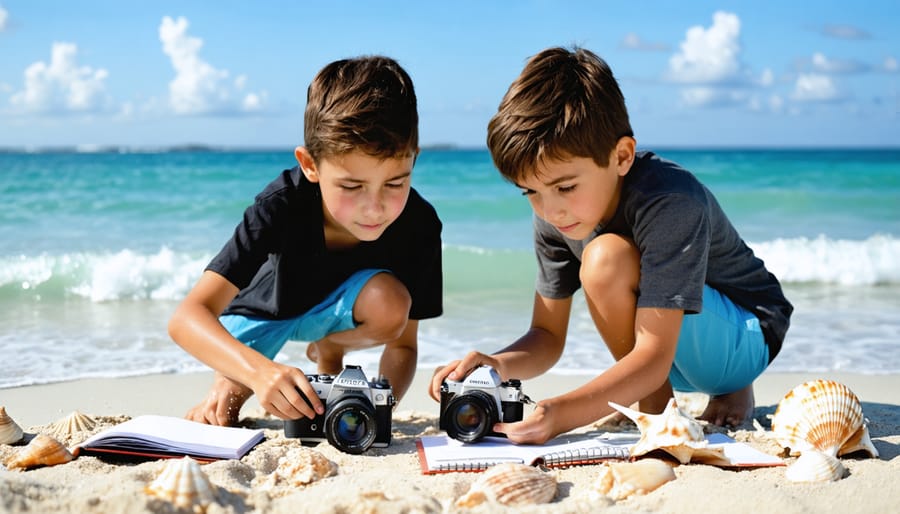
Volunteers participate in boat-based surveys, collecting data on whale and dolphin populations, behavior, and distribution. Data collection methods include:
- Photo-identification: Taking photographs of individual whales and dolphins to track their movements and population dynamics. Each animal has unique markings, like fingerprints, allowing researchers to identify and monitor them over time.
- Acoustic monitoring: Recording underwater sounds to study whale and dolphin communication, detect their presence, and assess the impact of human activities on their acoustic environment.
- Behavioral observations: Documenting whale and dolphin behaviors, such as feeding, socializing, and traveling, to understand their ecological roles and identify potential threats.
Ready to contribute? Sign up to volunteer and help DICT protect these magnificent creatures: Dyer Island Conservation Trust
Project 2: Coral Reef Restoration (Coral Restoration Foundation, Florida Keys)
Coral reefs are among the most biodiverse ecosystems on Earth, providing habitat for countless marine species and supporting coastal communities worldwide. Unfortunately, coral reefs are facing unprecedented threats from climate change, pollution, and disease. The Coral Restoration Foundation (CRF) is working to reverse this trend by actively restoring damaged coral reefs in the Florida Keys.
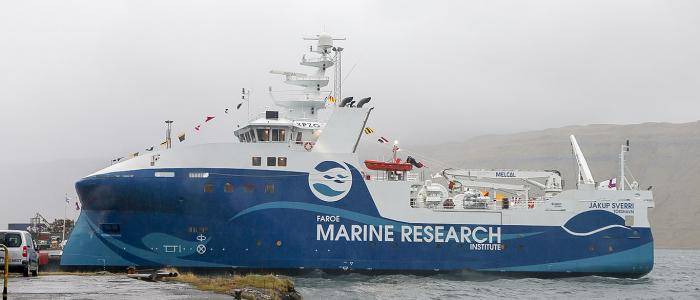
Divers can participate in hands-on coral restoration activities, including:
- Coral propagation: Helping to grow coral fragments in underwater nurseries. CRF uses a technique called "coral gardening," where coral fragments are carefully nurtured in nurseries until they are large enough to be transplanted onto degraded reefs.
- Coral outplanting: Transplanting nursery-grown corals onto damaged reefs. Divers attach coral fragments to the reef substrate using specialized techniques, giving them a chance to grow and reproduce.
- Reef monitoring: Assessing the health and growth of restored coral reefs. Volunteers help monitor the progress of restored reefs, collecting data on coral cover, fish populations, and water quality.
Support their efforts by donating to help expand their coral restoration work: Coral Restoration Foundation
The Power of Imagery: Lessons from Paul Nicklen
Visual storytelling plays a crucial role in raising awareness about ocean conservation and inspiring action. The powerful images captured by National Geographic photographer Paul Nicklen have had a profound impact on audiences worldwide, illustrating the beauty and fragility of our oceans and the threats they face. Images impact citizen science efforts by showing the importance of data collection.
Image 1: 'Walrus on a Crumbling Ice Floe'
This haunting photograph depicts a walrus stranded on a small, rapidly melting ice floe in the Arctic. The image poignantly illustrates the devastating impact of climate change on Arctic ecosystems, as rising temperatures cause sea ice to disappear, depriving walruses of their habitat and forcing them to crowd onto smaller and smaller areas of ice.
Image 2: 'Emperor Penguins Huddling for Warmth'
Nicklen's image of emperor penguins huddling together for warmth in Antarctica highlights the vulnerability of penguin colonies to changing sea ice conditions. Emperor penguins rely on stable sea ice for breeding and raising their chicks. As sea ice declines due to climate change, penguin colonies are increasingly threatened by habitat loss and reduced breeding success.
Image 3: 'Starving Polar Bear'
Perhaps Nicklen's most iconic image, this heartbreaking photograph of a starving polar bear in the Canadian Arctic, has become a symbol of the devastating consequences of climate change on Arctic wildlife. The image sparked a global outcry and raised unprecedented awareness about the plight of polar bears and the urgent need to address climate change.
Destination Spotlight: Faroes Research Station - A Remote Hub for Marine Science
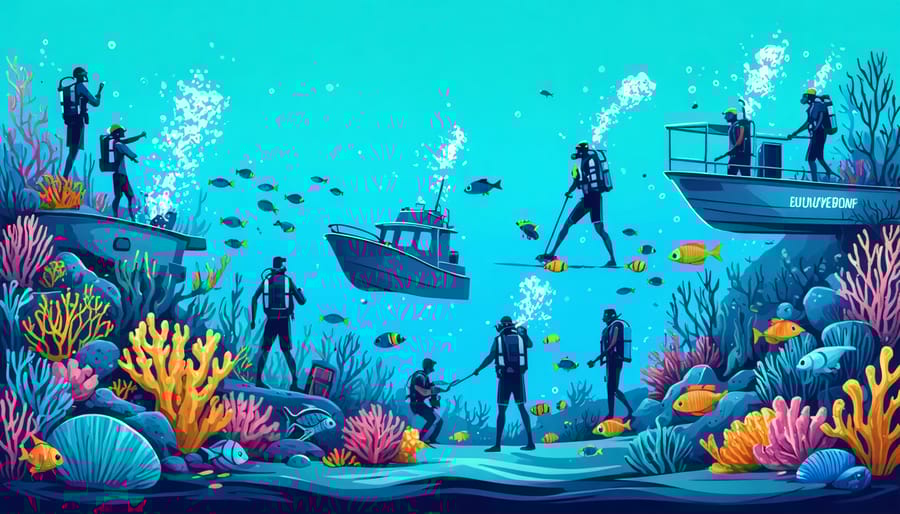
While expedition cruising can offer some educational opportunities, the Faroes Research Station provides a unique and immersive experience for citizen scientists looking to contribute directly to marine research. Located in the remote Faroe Islands in the North Atlantic, this station serves as a vital hub for studying the region's unique marine ecology.
The Faroes Research Station focuses on a wide range of research areas, including:
- Plankton ecology: Studying the diversity, abundance, and distribution of plankton, the foundation of the marine food web. Visitors may have opportunities to participate in plankton surveys, collecting samples and analyzing them under microscopes.
- Seabird monitoring: Tracking seabird populations, breeding success, and foraging behavior. Citizen scientists can assist with seabird counts, nest monitoring, and data collection on seabird diets.
- Marine pollution: Investigating the impact of plastic pollution and other pollutants on the marine environment. Volunteers can participate in beach cleanups, sample collection, and analysis of marine debris.
According to Dr. Guðrun Gaard, a researcher at the Faroes Research Station, "Citizen science is invaluable to our work. The extra hands and eyes allow us to collect more data over a wider area, which is essential for understanding the complex dynamics of the North Atlantic ecosystem. The passion and dedication of citizen scientists are truly inspiring." Visit the official webpage: Faroes Research Station
Take Action: How to Support Ocean Conservation
There are many ways to support ocean conservation, even if you can't travel to remote research stations or volunteer on-site. Here are some actionable steps you can take to make a difference:
- Support conservation organizations: Donate to organizations actively involved in ocean conservation, such as Oceana and the Sea Shepherd Conservation Society. These organizations are at the forefront of protecting marine life, restoring habitats, and advocating for stronger ocean protection policies.
- Reduce your carbon footprint: Climate change is a major threat to our oceans. Reduce your carbon footprint by making sustainable choices in your daily life, such as using public transportation, conserving energy, and eating less meat.
- Support sustainable seafood choices: Choose seafood from sustainable sources to help reduce the impact of overfishing on marine ecosystems. Look for certifications like the Marine Stewardship Council (MSC) label.
- Avoid single-use plastics: Plastic pollution is a growing problem in our oceans. Reduce your use of single-use plastics by bringing your own reusable bags, water bottles, and coffee cups.
Conclusion
Every small action makes a difference. By participating in ocean conservation citizen science projects, supporting conservation organizations, and making sustainable choices, you can play a vital role in safeguarding our oceans for future generations. Start exploring opportunities to get involved today and become a champion for ocean health!