Discovering Zanzibar's Sustainable Beauty: A Mar...
Zanzibar, the "Spice Island," has always held a mystical allure. As a 28-year-old marine biologist from Miami, specializing in coral reef conservation, I recently embarked on a trip to this Tanzanian archipelago, eager to witness its natural beauty firsthand and assess its sustainability efforts. I was drawn to Zanzibar's reputation for stunning beaches and vibrant marine ecosystems. What I found was a fascinating blend of natural wonders and a burgeoning commitment to Zanzibar eco-tourism, offering a glimpse into a more responsible way to travel.
Scuba Diving at Mnemba Atoll: A Reef to Remember
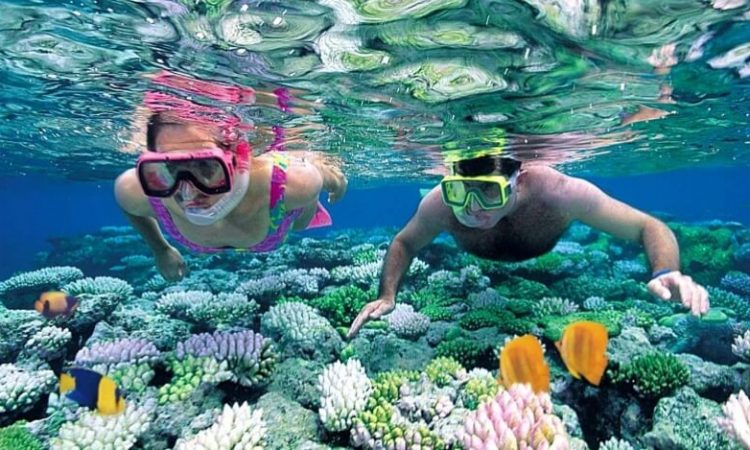
My diving trip to Mnemba Atoll was the highlight of my journey. The crystal-clear turquoise waters beckoned, promising a vibrant underwater world. Visibility was excellent, easily exceeding 20 meters, and the gentle current made for a relaxing dive. The water temperature was a comfortable 27°C. What struck me most was the apparent health and biodiversity of the coral reefs. I encountered numerous species of hard and soft corals, including impressive formations of branching Acropora and colorful brain corals. Schools of reef fish, such as parrotfish, butterflyfish, and angelfish, darted amongst the coral, creating a kaleidoscope of color. We even spotted a Hawksbill turtle gracefully gliding along the reef.
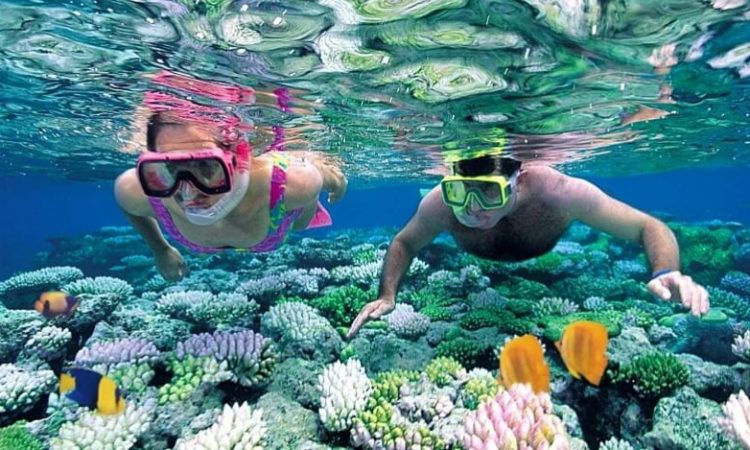
I chose to dive with a local operator committed to sustainable travel Zanzibar. They emphasized responsible diving practices, such as maintaining neutral buoyancy to avoid damaging the coral, avoiding single-use plastics on board, and educating divers about the importance of reef conservation. This operator is part of a larger local environmental initiatives network, regularly participating in beach cleanups and supporting local coral reef restoration projects. For eco-conscious travelers, I'd highly recommend researching and choosing operators that prioritize similar sustainable practices.
Spice Farm Tour in Kizimbani: A Sensory Symphony
Leaving the coast, I ventured inland to Kizimbani for a spice farm tour Zanzibar sustainability. The air was thick with the intoxicating aromas of cloves, nutmeg, cinnamon, and vanilla. Our guide, a local farmer, explained the intricate process of cultivating these precious spices, from planting the seedlings to the painstaking harvesting methods.
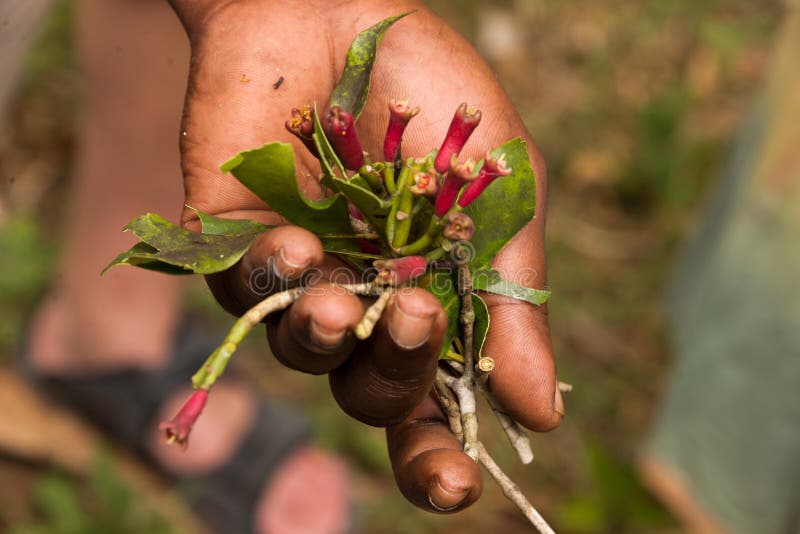
I learned that the farm practiced sustainable agriculture by using natural fertilizers and avoiding harmful pesticides. This not only protects the environment but also ensures the quality and authenticity of the spices. The tour culminated in a tasting of fresh tropical fruits, including succulent mangoes and tangy passion fruit – a true delight for the senses. These spice farms also implement community-based tourism, with the intention of providing fair wages and supporting the local workers, leading to Zanzibar ethical tourism.
Sunset Dhow Cruise from Stone Town: A Golden Glow
As the sun began to dip below the horizon, I embarked on a traditional dhow cruise from Stone Town. The views of the historical architecture from the water were simply breathtaking. The golden light painted the ancient buildings in a warm, ethereal glow. The atmosphere on board was festive, with traditional Swahili music filling the air.
While the cruise was a memorable experience, I couldn't help but notice the potential for irresponsible waste disposal. I saw a few plastic bottles floating in the water, which was a stark reminder of the challenges Zanzibar faces in managing its waste. For this reason, when booking such tours it's important to choose tours that use a waste management system.
Jozani Forest Visit: Encountering the Red Colobus Monkeys
A visit to Jozani Forest is a must for any nature lover. This unique ecosystem is home to the endangered red colobus monkeys, found only in Zanzibar. Our guide was incredibly knowledgeable about the forest's biodiversity, pointing out various plant species and explaining their medicinal properties. He also highlighted the ongoing conservation efforts to protect the red colobus monkeys and their habitat.
Conservation Efforts in Jozani Forest
The guides in Jozani Forest highlighted some significant local environmental initiatives. One of those includes community involvement in preserving the forest. By educating locals about the forest's importance and providing alternative livelihoods, the project aims to reduce deforestation and poaching.
Zanzibar's Culinary Delights
No trip to Zanzibar is complete without indulging in its unique culinary offerings.
Zanzibar Pizza at Forodhani Gardens Night Market
The Forodhani Gardens night market is a sensory explosion. Amidst the bustling crowds and enticing aromas, I sampled Zanzibar pizza. This isn't your typical pizza; it's a thin, crispy dough filled with a variety of ingredients, such as Nutella, mango, cheese, and even meat, depending on your preference. It's then folded and fried until golden brown. The local atmosphere is vibrant and energetic, providing a true taste of Zanzibari culture. If you are interested in a Zanzibar vegan food culture, some vendors offer vegan options.
Ugali with Grilled Red Snapper
At a local restaurant, I savored Ugali with grilled red snapper. Ugali, a staple food in East Africa, is a dense, starchy porridge made from maize flour. Its taste is mild, but its texture is surprisingly satisfying. The grilled red snapper was perfectly cooked, flaky, and flavorful, complementing the Ugali perfectly.
Spiced Tea in Stone Town
In Stone Town, I relaxed at a local café, sipping spiced tea (chai). The ambiance was charming, with traditional Swahili décor and the gentle hum of conversation. The tea was a delightful blend of black tea, ginger, cardamom, cinnamon, and cloves – a warm and aromatic experience that perfectly captured the essence of Zanzibar.
Landscapes of Zanzibar
Zanzibar is a feast for the eyes, with a diverse range of landscapes:
Nungwi Beaches
The beaches of Nungwi on the northern coast are postcard-perfect, with pristine white sand and crystal-clear turquoise waters.
Spice Plantations
The central region is a verdant tapestry of spice plantations, where the air is infused with the intoxicating scents of cloves, cinnamon, and nutmeg.
Stone Town
Stone Town is a labyrinth of narrow alleyways, bustling markets, and historical architecture, reflecting the island's rich cultural heritage.
Jozani Forest
Jozani Forest is a verdant sanctuary, teeming with biodiversity and home to the iconic red colobus monkeys.

Tips for Eco-Conscious Travelers
To minimize your impact on Zanzibar's ecosystem, consider these tips for Zanzibar responsible tourism:
- Choose eco-certified tour operators: Look for certifications that indicate a commitment to sustainable practices.
- Avoid single-use plastics: Bring your own reusable water bottle, shopping bag, and toiletries.
- Respect marine life: Do not touch or disturb coral reefs or marine animals.
- Support local businesses: Purchase souvenirs from local artisans and eat at locally owned restaurants.
- Conserve water and energy: Be mindful of your water and energy consumption at your hotel.
- Dispose of waste properly: Use designated trash bins and avoid littering.
- Offset your carbon footprint: Consider purchasing carbon offsets to compensate for your travel emissions.
Conclusion: A Call to Sustainable Action
My trip to Zanzibar was a transformative experience, revealing both the island's incredible natural beauty and the challenges it faces in preserving its environment. While I witnessed encouraging efforts toward sustainable tourism, it's clear that more needs to be done. As travelers, we have a responsibility to make informed choices and support initiatives that protect Zanzibar's unique ecosystem for generations to come. By embracing ethical holidays and responsible practices, we can all contribute to a more sustainable future for this enchanting island. Book your eco-tour now and experience the magic of Zanzibar responsibly!