Discovering the Untamed Beauty of the Skeleton C...
The Skeleton Coast. The name itself conjures images of shipwrecks, desolate landscapes, and unforgiving conditions. As a marine biologist and conservationist, I, Anya Sharma, had long been captivated by this remote stretch of the Namibian coastline. My research focuses on the Cape Cross seal colony and its intricate relationship with the Benguela Current ecosystem, so a solo journey to this wild place was both a professional pilgrimage and a personal quest. What I found was a land of stark contrasts, surprising resilience, and a profound reminder of the importance of conservation.
The Dramatic Landscape Near Terrace Bay
The landscape around Terrace Bay is nothing short of breathtaking. Imagine standing on the edge of the roaring Atlantic, the icy spray hitting your face, while towering apricot-colored sand dunes rise majestically to the east. Then, turn south, and you are met with seemingly endless gravel plains stretching towards the horizon. This dramatic meeting of desert and ocean is what defines the Skeleton Coast.
The unique flora and fauna here have adapted in extraordinary ways. The Welwitschia mirabilis, a bizarre-looking plant that can live for over a thousand years, is a testament to nature's resilience. Its two leaves continuously grow from their base and split over time, giving the appearance of many leaves. Its survival hinges on drawing moisture from the coastal fog. Speaking of which, the fog that frequently rolls in from the ocean adds an eerie and mystical quality to the landscape, obscuring the dunes and blurring the line between sea and sky. While I didn't spot any during my trip, the elusive desert lions roam this area, their survival dependent on hunting seals and other desert creatures.
Monitoring the Cape Cross Seal Colony: A Research Expedition
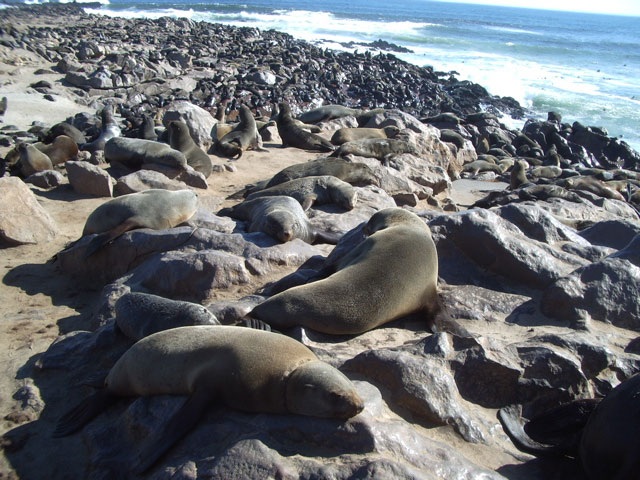
One of the highlights of my trip was participating in a three-day guided research expedition led by the esteemed Dr. Karin Ludewig. Our mission: to monitor the Cape Cross seal population. Cape Cross Seal Colony Conservation is vital in protecting the area. The sheer scale of the colony is astounding – hundreds of thousands of Cape fur seals congregate here during breeding season.
Our work involved a range of data collection techniques. We conducted aerial drone surveys to estimate the overall population size, capturing high-resolution images that allowed us to count individuals and assess the age structure of the colony. We also tagged individual seals, particularly pups, for tracking their movements and survival rates. This involved a delicate balance of minimizing disturbance to the animals while ensuring accurate data collection.
Working in this harsh environment presented numerous challenges. Extreme temperatures, ranging from scorching heat during the day to near-freezing conditions at night, demanded careful planning and specialized equipment. Limited resources, including water and electricity, required us to be resourceful and efficient. Despite the difficulties, the experience was incredibly rewarding. Witnessing firsthand the dedication and expertise of Dr. Ludewig and her team reaffirmed my commitment to marine conservation.
Diamond Mining on the Skeleton Coast: A Necessary Evil?
The Skeleton Coast's natural resources extend beyond its wildlife. Near the mouth of the Orange River, I witnessed a controlled diamond mining operation run by Namdeb. The process involves extracting diamonds from the seabed using specialized vessels and underwater mining equipment.
While the economic benefits of diamond mining are undeniable, I couldn't help but reflect on the potential long-term environmental impact. The disturbance of the seabed, the release of sediment plumes, and the potential for chemical contamination raise serious concerns about the health of marine ecosystems and coastal erosion. It is crucial that mining operations adhere to strict environmental regulations and invest in research to minimize their impact. This issue also highlights the importance of Skeleton Coast wildlife photography ethics.
Kayaking Through Sandwich Harbour Lagoon
For a change of pace, I embarked on a kayaking trip through the Sandwich Harbour lagoon with a guide from Eco Ventures Namibia. This experience offered a unique perspective on the diverse birdlife that thrives in this coastal wetland.
Flamingos, pelicans, and a variety of migratory species flocked to the lagoon, creating a vibrant tapestry of color and sound. The contrast between the towering desert dunes and the tidal waters of the lagoon was simply stunning. Our guide's knowledge of the local ecosystem and bird identification skills greatly enhanced the experience. It was a peaceful and immersive way to appreciate the delicate balance of life in this unique environment.
A Glimpse into the Past: Exploring Kolmanskop
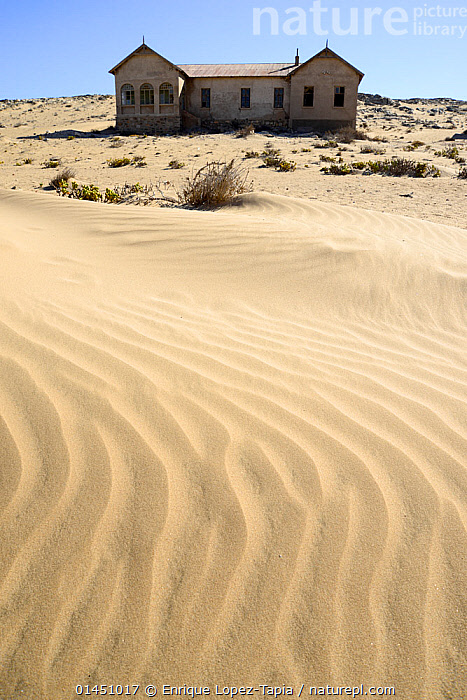
A day trip to the abandoned mining town of Kolmanskop, near Lüderitz, provided a fascinating glimpse into the region's history. This once-thriving town boomed during the early 20th-century diamond rush, but was quickly deserted after richer diamond deposits were discovered elsewhere.
Today, Kolmanskop stands as a surreal ghost town, with buildings slowly being filled with sand. Walking through these crumbling structures, imagining the lives of the people who once lived and worked here, was a truly poignant experience. It underscored the social and economic impact of diamond mining on the local community and served as a reminder of the ephemeral nature of boom-and-bust economies. Abandoned Mining Town Kolmanskop Tour is worth the time.
Savoring the Flavors of Swakopmund
No trip to Namibia is complete without indulging in the local cuisine. In Swakopmund, I had the pleasure of sampling several regional specialties. The Swakopmund oysters were exceptionally fresh, with a briny flavor that perfectly captured the essence of the Atlantic Ocean. I learned that these oysters are farmed locally, contributing to the local economy.
At The Tug restaurant, I savored a traditional Oryx potjie, a slow-cooked stew made with root vegetables and aromatic spices. The tender meat and flavorful broth were a welcome treat after days of outdoor exploration. And of course, no meal was complete without a locally brewed Tafel Lager, enjoyed while overlooking the Atlantic Ocean. It's important to acknowledge the logistical challenges of obtaining fresh produce in such an arid environment. Much of the food is imported, highlighting the reliance on external resources.
Anya's Scientific Insights on the Cape Cross Seal Colonies
The Cape Cross seal colonies are a vital component of the Benguela Current ecosystem. These seals, primarily Cape fur seals, exhibit fascinating breeding behavior, with males fiercely competing for territory and females nursing their pups for extended periods. This leads to high Seal Pup Mortality rates. Their diet consists mainly of fish and squid, playing a crucial role in regulating prey populations.
However, the seal population faces increasing threats from climate change and overfishing. Rising sea temperatures and changes in ocean currents can disrupt the food chain, impacting the availability of prey. Overfishing further exacerbates this problem, potentially leading to starvation and population decline. These impacts could have cascading effects on the broader ecosystem, disrupting the delicate balance of marine life. Therefore, it's important to know What is the best time to visit Cape Cross seal colony? to help monitor their behaviors.
The Challenges of Conservation on the Skeleton Coast
Conserving the Skeleton Coast ecosystem presents a unique set of challenges. Limited funding, logistical difficulties, and the potential conflicts between conservation efforts and economic activities like diamond mining all pose significant obstacles.
The remoteness of the region makes it difficult to conduct research and enforce environmental regulations. The harsh climate and limited infrastructure add to the logistical complexities. Moreover, balancing the need for economic development with the imperative of protecting the environment requires careful planning and collaboration between government agencies, local communities, and private sector stakeholders.
A Call to Action: Preserving the Skeleton Coast for Future Generations
My journey to the Skeleton Coast was a profound reminder of the importance of preserving this unique and fragile ecosystem. We have a responsibility to protect this natural treasure for future generations. The beauty is untamed, and the experience is raw.
I encourage you to support organizations like the Namibian Coast Conservation and Management (NACOMA) project or donate to the Skeleton Coast National Park’s conservation initiatives. Consider eco-tourism options that support local communities and minimize environmental impact. Guided Skeleton Coast Tours for Scientists and ethical seal viewing tours contribute to conservation efforts. Contact Dr. Karin Ludewig to book a research expedition Skeleton Coast. By making informed choices and supporting responsible tourism practices, we can all play a role in ensuring the long-term health and sustainability of the Skeleton Coast.
Sustainable travel options for exploring the Skeleton Coast are imperative to the conservation of the land.