
Discovering the Symphony of the Amazon: A Bioaco...
My mission: to capture the elusive soundscape of the Pacaya Samiria National Reserve, a vital task in documenting its rich sonic biodiversity and raising awareness about its ecological importance. But recording in the Peruvian Amazon is no easy feat. The air hangs heavy with humidity, threatening delicate equipment, and the symphony of life is often overshadowed by the relentless buzz of insects and the drumming of torrential rain. Yet, the potential to capture something truly unique – the whispers of pink river dolphins communicating underwater, the dawn chorus of a thousand birds – keeps me pushing forward, one carefully placed microphone at a time. Join me on this auditory journey as we delve into the heart of the Amazon, listening to the stories it has to tell.
Learning the Language of the Rainforest: Jungle Survival Skills
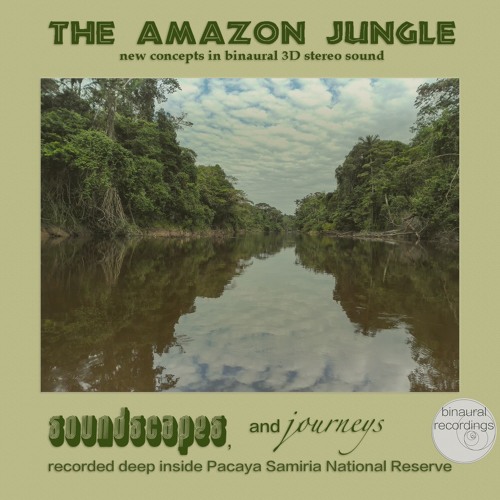
Before even thinking about recording, I knew I needed to learn to navigate this complex environment. I was incredibly fortunate to participate in a jungle survival skills workshop led by indigenous guides from the local Cocama community. It was an immersive experience, learning to identify medicinal plants by sound – the rustle of that leaf indicates pain relief, the crack of this stem signifies a natural antibiotic. We practiced distinguishing between the calls of different monkey species, each with its own distinct dialect. Navigating by ear became a crucial skill, using the echoes and reverberations of the rainforest to find our way. This knowledge proved invaluable, enhancing not only my safety but also my understanding of the intricate relationships within the rainforest ecosystem.
A Nocturnal Aural Awakening
One of the most profound experiences was a guided nocturnal rainforest hike. As darkness descended, the visual world faded away, and my senses shifted dramatically to the auditory. The familiar daytime sounds were replaced by a chorus of nocturnal creatures, each vying for attention. I discovered insect sounds I had never imagined existed – clicks, whirs, and trills that painted a vivid picture of the hidden world around me. The calls of nocturnal birds, like the haunting cry of the pauraque, echoed through the trees, creating an otherworldly atmosphere. This sensory shift offered a completely new perspective on the rainforest, revealing its hidden depths and complexities. Understanding the aural experience Amazon rainforest at night is key to understanding the full breadth of life in the Pacaya Samiria Reserve.
Whispers of the Amazon: Recording Pink River Dolphins
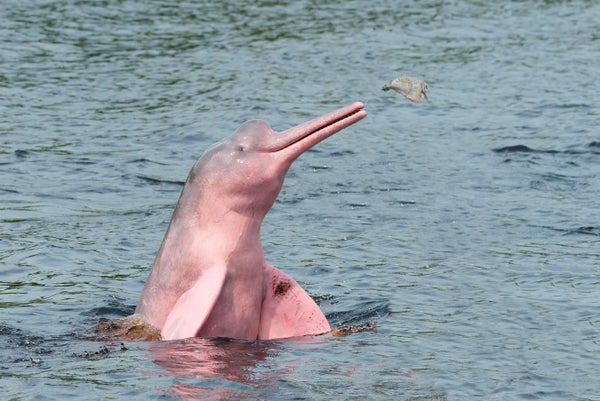
The highlight of my expedition was undoubtedly my attempt to record the calls of pink river dolphins (Inia geoffrensis). Traveling in a traditional dugout canoe along the Samiria River, I lowered a hydrophone into the murky water, hoping to capture their unique vocalizations. These creatures, also known as "boto," are incredibly elusive, and their communication is still largely a mystery. The challenge was immense. Engine noise from passing boats constantly interfered with my recordings, and the dolphins themselves were shy and unpredictable. Despite the difficulties, there were moments of pure magic – faint clicks and whistles that hinted at the complex social interactions of these remarkable animals. Further research is needed, but these preliminary recordings offer a glimpse into the secret world of the pink river dolphin and the importance of pink river dolphin conservation.
A Taste of the Amazon: Culinary Delights
No trip to the Amazon is complete without experiencing the local cuisine. In a Cocama village, I had the opportunity to taste Juane – a traditional dish of rice, chicken, olives, and spices steamed in bijao leaves. The flavors were rich and complex, a delightful blend of savory and aromatic. The preparation method, passed down through generations, added a unique depth to the dish.

Another culinary highlight was Tacacho con Cecina, grilled plantains with dried, salted beef, which I found at a local market in Nauta, the gateway city to the Pacaya Samiria National Reserve. The smoky flavor of the plantains and the salty, chewy texture of the beef were a perfect combination. It's important to note that these dishes are not readily available everywhere within the reserve, making the experience of finding and savoring them even more special, reinforcing the sense of immersion and authenticity. Seeking out these local flavors is an integral part of experiencing the sustainable tourism Amazon Peru.
The Sonic Architecture of Pacaya Samiria
The interconnected waterways of the Pacaya Samiria Reserve act as natural "sonic conduits," carrying sounds across vast distances. The dense canopy overhead filters the light, creating a dim and mysterious atmosphere, but it also amplifies the sound of rainfall, transforming it into a powerful and immersive experience. The calls of red howler monkeys (Alouatta seniculus) at dawn serve as a natural alarm clock, their deep, guttural roars resonating through the forest. The diverse vocalizations of macaws (Ara macao) add a splash of color to the soundscape, their squawks and screeches echoing through the trees. And then there's the constant drone of cicadas, a ubiquitous presence that defines the acoustic character of the rainforest. This Amazon rainforest soundscape is a world unto itself.
Recording Equipment and Rainforest Realities
To capture the sounds of Pacaya Samiria, I relied on a selection of specialized equipment. I used Sennheiser MKH 8040 microphones for their exceptional clarity and sensitivity, a Sound Devices 702T recorder for its robust performance and high-quality audio capture, and a hydrophone for underwater recordings. However, the rainforest environment presented numerous challenges. The high humidity levels threatened to damage the delicate electronics, necessitating the use of waterproof housing and silica gel packs. The constant battle against unwanted background noise – insects, rain, and the occasional boat engine – required careful microphone placement and meticulous post-processing. Adapting to these challenges was crucial to capturing high-quality audio in this unique environment. In my experience, knowing how to protect my audio equipment in the rainforest is key to being successful in any bioacoustic project.
Conservation Through Sound: Protecting Pacaya Samiria
Documenting the soundscape of Pacaya Samiria is more than just an academic exercise; it's a vital tool for conservation. These recordings serve as a baseline for monitoring environmental changes and biodiversity loss. By comparing current soundscapes to historical recordings, we can track the impact of deforestation, climate change, and other threats to the ecosystem. I intend to use these recordings to create interactive sound maps and virtual reality experiences, bringing the sounds of the Amazon to a global audience and raising awareness about the importance of its conservation. The data captured will be essential in our efforts to understand conservation efforts Pacaya Samiria Amazon.
Immerse Yourself: Experience the Pacaya Samiria Soundscape Virtually
Ready to experience the symphony of the Amazon for yourself? I've curated a playlist of rainforest sounds on Spotify to replicate the immersive experience. Put on your headphones, close your eyes, and let the sounds of Pacaya Samiria transport you to the heart of the rainforest.
Listen to the Amazon: A Call to Action
The Amazon rainforest is a treasure trove of biodiversity, and its soundscape is an integral part of its ecological identity. By supporting conservation efforts in the Amazon and considering a responsible visit to Pacaya Samiria, you can help protect this precious ecosystem for future generations. Remember to respect the environment, support local communities, and listen closely to the stories the rainforest has to tell. Join us in our journey to explore the Pacaya Samiria National Reserve tour and discover its unique soundscape.
Viral Video Concept: Listen to the Amazon
HOOK: (0-1 second) Close-up shot of a pink river dolphin surfacing suddenly in the murky water, emitting a high-pitched click.
SCENE: (1-5 seconds) Cinematic 4K footage shot on RED camera. Low-angle shot from a dugout canoe, moving slowly through a narrow waterway, dappled sunlight filtering through the canopy. Golden hour lighting with dramatic shadows and reflections. The canoe is occupied by Kai, visible briefly, holding a hydrophone.
TWIST: (5-8 seconds) The sound of the dolphin click seamlessly transitions into a human voice mimicking the dolphin's call, followed by a short, impactful message: "The Amazon is talking. Are you listening?" Text appears onscreen: #ListenToTheAmazon #SavePacayaSamiria.