Discovering the Soul of Fiji: Cultural Immersion...
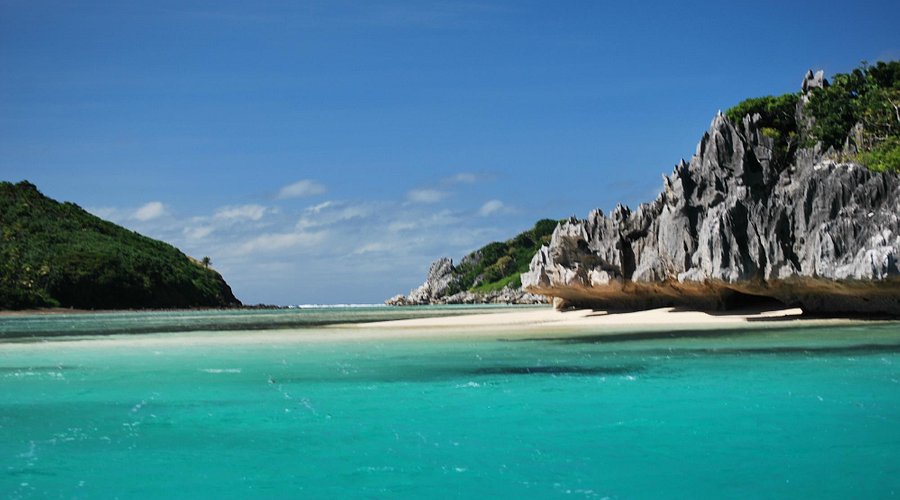
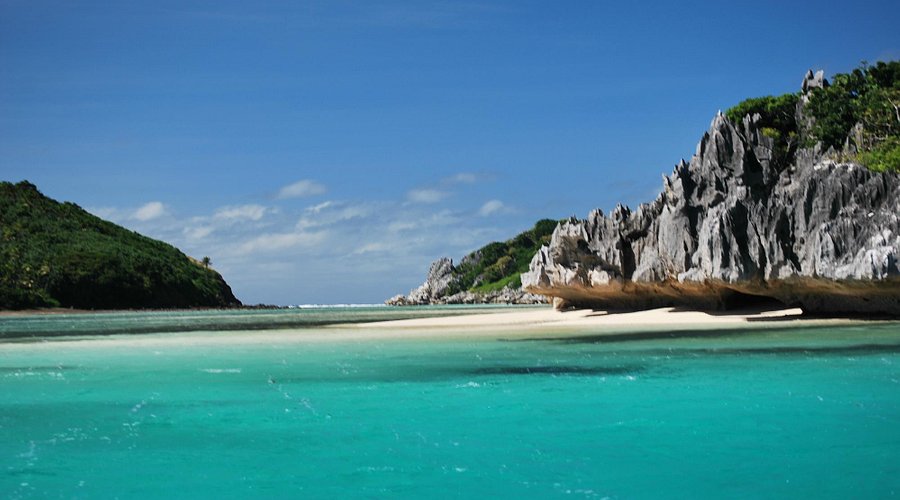
Imagine a place where jagged, verdant peaks rise dramatically from the turquoise sea, where the scent of frangipani hangs heavy in the air, and the vibrant culture embraces you like a warm hug. That's the Yasawa Islands, Fiji. My recent trip was more than just a vacation; it was an immersion into the heart of Fijian life, a chance to connect with the community, and a reminder of the positive impact tourism can have when done right. Forget simply lying on a beach; this journey was about Yasawa Islands cultural immersion, and it completely changed my perspective on travel. I sought authentic Fijian experiences in Yasawa and that is exactly what I discovered. From learning the secrets of Lovo cooking to participating in a sacred kava ceremony, I embraced the local customs. Join me as I recount my adventures, showing how I experienced Fiji community-based tourism firsthand, and contributed to a brighter future for the people of the Yasawas. Let me show you how to stay in a traditional Fijian Bure and connect with the local community.
Participating in a Traditional Lovo in Bukama Village
One of the highlights of my trip was the opportunity to learn traditional Fijian cooking in Bukama Village. The villagers warmly welcomed me into their community, eager to share their culinary heritage. The star of the show was the Lovo, an earth oven used to cook a variety of dishes.
The process began with digging a pit and lining it with river stones. A roaring fire was built on top, heating the stones until they glowed red. Meanwhile, we prepared the food: marinated meat, root vegetables like taro and cassava, and leafy greens, all wrapped in banana leaves. Under the careful instruction of the village women, I learned to weave the leaves into tight parcels, sealing in the flavors.
Once the stones were hot, the embers were cleared, and the wrapped food was carefully placed on top. Everything was then covered with more banana leaves and a thick layer of earth, trapping the heat and allowing the food to slowly steam to perfection. The aromas that wafted from the Lovo were intoxicating – smoky, earthy, and savory.
Spending the afternoon working alongside the villagers, sharing stories and laughter, was an incredible experience. It wasn't just about learning to cook; it was about connecting with the people and understanding their way of life. Where to find a Lovo cooking demonstration Yasawa Islands? Bukama Village is your answer.
Experiencing a Kava Ceremony
No trip to Fiji is complete without participating in a traditional kava ceremony. Kava, a drink made from the root of the yaqona plant, plays a central role in Fijian culture, symbolizing respect, unity, and community. I was honored to be invited to a ceremony in Bukama Village.
The ceremony began with the village elder preparing the kava, grinding the dried root into a fine powder and mixing it with water in a large wooden bowl called a tanoa. As he worked, the men of the village gathered around, chanting and clapping in rhythmic unison.
When the kava was ready, the first cup was offered to the chief or highest-ranking person present, followed by the other men in order of seniority. As a visitor, I was given a place of honor. Before accepting the cup, I clapped once and said "Bula!" After drinking the kava in one gulp, I clapped three times and said "Maca!"
The taste of kava is unique – earthy, slightly bitter, and with a mild numbing effect on the tongue. While it might not be to everyone's taste, the experience is about far more than the flavor. It's about participating in a ritual that has been passed down through generations, a ritual that reinforces the bonds of community and celebrates Fijian heritage. How to respectfully participate in Fijian culture? Understanding the kava ceremony Yasawa Islands is a good start.
Exploring the Sawa-i-Lau Caves
A trip to the Yasawa Islands isn't just about culture; it's also about breathtaking natural beauty. One of the most awe-inspiring sights is the Sawa-i-Lau Caves, a series of ancient limestone grottoes hidden beneath a volcanic island.
The journey to the caves was an adventure in itself. We traveled by small boat, passing dramatic cliffs and secluded beaches. Upon arrival, we were greeted by the local guides, who shared stories and legends about the caves.
The first cave is easily accessible, a large chamber filled with natural light. But the real magic lies deeper within. To reach the inner grottoes, we had to swim through a narrow underwater passage. The water was cool and refreshing, and the feeling of emerging into the darkness of the cave was exhilarating.
Swimming in the underground grottoes, surrounded by towering rock formations and the echoes of our voices, was an unforgettable experience. The guides shared stories of ancient Fijians who sought refuge in the caves during times of conflict, and of the spirits that are said to dwell within. Where are the Sawa-i-Lau Caves located? In the heart of the Yasawa Islands! If you are looking for Sawa-i-Lau Caves tour booking information, speak with the local guides!
A Taste of Fiji: Kokoda and Nama
Fijian cuisine is a celebration of fresh, local ingredients, and two dishes that perfectly embody this are Kokoda and Nama.
Kokoda is Fiji's answer to ceviche, made with raw fish marinated in coconut cream, lime juice, onions, and chili. The fish is incredibly fresh, often caught just hours before it's prepared. The coconut cream adds a rich, creamy sweetness, while the lime and chili provide a zesty kick. What is Fijian Kokoda made of? Fresh seafood and simple spices.
Nama, also known as sea grapes, is a type of seaweed that is a popular snack in Fiji. The tiny, pearl-like bubbles burst in your mouth, releasing a salty, slightly briny flavor. Nama is often served with a squeeze of lemon juice or a sprinkle of chili flakes. What is Fijian Nama seaweed? A must-try snack when visiting the Yasawa islands.
Both Kokoda and Nama are a testament to the simplicity and deliciousness of Fijian food, showcasing the abundance of the ocean and the resourcefulness of the local people.
Contrasting Accommodations: Luxury and Tradition
My trip to the Yasawas offered a unique contrast in accommodation experiences. I spent a few nights at the luxurious Yasawa Island Resort & Spa, and a few nights in a traditional bure in Bukama Village.
Yasawa Island Resort & Spa is a haven of luxury, with private beachfront villas, gourmet dining, and world-class spa treatments. But what impressed me most was their commitment to supporting education in the local villages. The resort actively contributes to the local schools by providing supplies, resources, and educational programs. How does Yasawa Island Resort support the local community? Through education and resources.
My time in Bukama Village was a completely different experience. I stayed in a simple bure, a traditional Fijian house made of woven bamboo and thatch. Daily life was simple but rewarding. I helped my host family with chores, learned about their traditions, and shared meals with them.
Living in a bure was a humbling experience. It made me appreciate the simple things in life and realize how much we often take for granted. While it lacked the amenities of a luxury resort, it offered something far more valuable: a genuine connection with the people and culture of Fiji. What are the benefits of staying in a Fijian bure? Cultural immersion and connection to the local community. Compare Yasawa Island Resort with Bukama Village accommodation. They both offer unique experiences.
Tourism's Positive Impact on Education
One of the most inspiring aspects of my trip was witnessing firsthand how tourism directly supports education in the Yasawa Islands. Many resorts in the area actively contribute to the local village schools, providing much-needed resources and support.
For example, Yasawa Island Resort & Spa has implemented several initiatives to benefit the local schools, including providing textbooks, computers, and school supplies. They also sponsor scholarships for students to attend secondary school and university.
In Bukama Village, the money generated from tourism is used to fund school improvements, pay teacher salaries, and provide educational opportunities for the children. Tourism is helping or hurting Fijian culture? In the Yasawa Islands, responsible tourism is helping!
My Contribution
During my stay in Bukama Village, I made a conscious effort to support the local community. I purchased handicrafts directly from the villagers, bought fresh produce from their gardens, and participated in a community project to help rebuild a damaged school building.
I also made a donation to the village school, which will be used to purchase new textbooks and learning materials. It felt good to know that my visit was not only enriching for me but also beneficial to the local community. What is the best way to support local communities in Yasawa Islands? By buying their products and supporting their schools. I personally left a positive mark on Bukama Village by purchasing local crafts, contributing to the school, and sharing my skills in basic construction during the school rebuilding project. I contributed both financially and by working alongside the villagers.
Conclusion: A Journey That Changed Me
My trip to the Yasawa Islands was more than just a vacation; it was a transformative experience that deepened my understanding of Fijian culture and the importance of responsible travel. By choosing to immerse myself in the local community and support their economy, I was able to make a positive impact on their lives.
If you're looking for a truly authentic and meaningful travel experience, I highly recommend visiting the Yasawa Islands and embracing the opportunity to connect with the Fijian people. You'll come away with memories that will last a lifetime, and a newfound appreciation for the power of community engagement and ecotourism. Plan your trip to experience an amazing Yasawa Islands cultural tour!