Discovering the Rhythm of the Amazon: Ethnobotany, Eco-Tourism, and Yanomami Heritage at the Rio Negro Treehouse Lodge
The Amazon rainforest, a vast and vital ecosystem, is more than just a collection of trees. It's a living, breathing organism, pulsing with biodiversity and steeped in ancient wisdom. Increasingly, mindful travelers are seeking ways to experience this incredible region responsibly, supporting both its conservation and the cultures of its indigenous inhabitants. One such haven is the Rio Negro Treehouse Lodge (rionegrotreehouselodge.com), an eco-lodge near Manaus, Brazil, dedicated to sustainability and collaboration with the local Yanomami community. Recently, Vistalocation.com had the privilege of hosting Dr. Isabella "Izzy" Rodriguez, a 38-year-old ethno-botanist specializing in Amazonian medicinal plants and sustainable conservation, who shared her insightful experience at the lodge, detailing the reforesting efforts impacting local plant biodiversity and collaborative projects with the local Yanomami community to revitalize traditional medicine practices.
Dr. Rodriguez's Immersive Experience in the Amazon
Dr. Rodriguez's journey to the Rio Negro Treehouse Lodge was fueled by a desire to witness firsthand the impact of sustainable tourism and conservation efforts on Amazonian plant life. Her area of expertise is the study of how indigenous cultures use plants for medicinal purposes and she hoped to explore traditional medicine and its preservation among indigenous communities. From the moment she arrived, the Amazon enveloped her senses. The humidity clung to her skin like a second layer, the air thick with the scent of damp earth and flowering bromeliads. The dusk chorus of cicadas created a cacophony that, while initially overwhelming, soon became a comforting rhythm of the rainforest.
A Commitment to Reforestation in the Amazon Rainforest
The Rio Negro Treehouse Lodge demonstrates a remarkable dedication to reversing the effects of deforestation. Their reforesting projects are built upon the indigenous techniques learned from the Yanomami community, focusing on planting native fruit trees like peach palm (pupunha) to attract seed-dispersing animals such as macaws and monkeys. The Lodge also monitors plant growth rates, soil quality and overall ecosystem health. These projects don’t just passively restore a degraded area; they actively revitalize it into a sustainable biodiverse landscape. Reforestation is incredibly important in the Amazon rainforest because it restores ecosystems, protects biodiversity, and mitigates climate change.
Planting Native Species to Revitalize the Ecosystem
The lodge's focus on planting indigenous trees is particularly noteworthy. By choosing species native to the area, they ensure that the reforested areas are well-suited to the local environment and provide the right resources for native animals. This careful approach ensures that the lodge's reforestation efforts will provide long-term ecological value.
How do the Rio Negro Treehouse Lodge sustainable practices help track progress?
The lodge meticulously tracks its progress by monitoring plant growth rates, assessing the return of native fauna, and documenting changes in soil health. This data-driven approach allows them to refine their techniques and optimize their conservation efforts. The lodge has several innovative approaches that lead to tangible progress:
- Consistent Monitoring: Regular check-ups of each reforested location
- Ecosystem Assessment: Tracking the return of native fauna
- Documentation of Soil Health: Testing the soil regularly to see how the project is improving the land
Partnering with the Yanomami Community: Yanomami community tourism
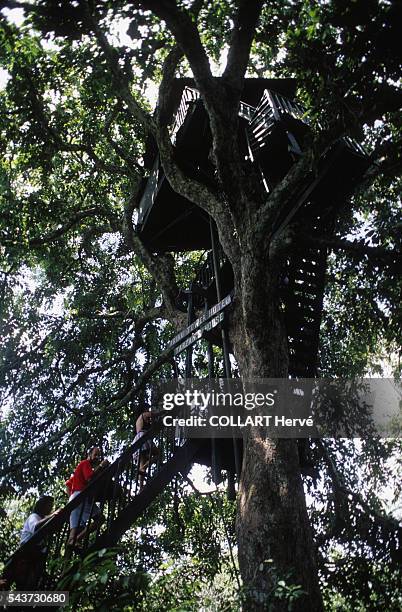
One of the most compelling aspects of the Rio Negro Treehouse Lodge is its partnership with the Yanomami community. The lodge's design uses local adaptations of Yanomami building techniques, demonstrating a respect for indigenous knowledge and traditions. This collaboration extends beyond mere architectural choices. The lodge actively involves the Yanomami in documenting and preserving their traditional healing knowledge.
Preserving Traditional Healing Knowledge
The lodge facilitates workshops led by Yanomami healers on medicinal plant identification and preparation. These workshops not only provide guests with a unique insight into traditional Yanomami culture but also contribute to the preservation of this invaluable knowledge. By promoting sustainable harvesting practices, the lodge helps ensure that these medicinal plants will be available for generations to come. Traditional healing practices are an important cultural heritage of the Yanomami culture and provide important perspectives on how to maintain personal health.
A Culinary Journey: Pupunha and Yanomami Cuisine
Dr. Rodriguez was particularly moved by the opportunity to taste pupunha (peach palm fruit) prepared by the lodge's Yanomami cooks. This dish, a staple of the Yanomami diet, is not only delicious but also a testament to their deep understanding of the rainforest's bounty. Sharing meals together created a bridge between cultures, fostering understanding and respect. Ethnobotany in the Amazon rainforest travel experience enriches cultural experiences and leads to new discoveries.
The Sensory Symphony of the Amazon
Dr. Rodriguez described her experience as a sensory symphony. The sweet scent of flowering bromeliads mingled with the earthy aroma of the rainforest floor. The cacophony of cicadas at dusk was a constant reminder of the vibrant life surrounding her. She recalls how the humidity created a second skin that was at first disorienting but became welcomed over time. She said the greatest thing to experience was the taste of pupunha, a local delicacy made of peach palm fruit. She also felt a profound sense of connection to the environment and the Yanomami people and also greatly enjoyed contributing to meaningful conservation.
Ethnobotany Amazon rainforest travel
During her stay, Dr. Rodriguez spent time identifying medicinal plants, observing traditional healing practices, and learning about the Yanomami's deep connection to the rainforest ecosystem. She remarked, "It wasn't just about documenting plant species; it was about understanding the cultural context in which they are used and valued." She also took time to conduct research on the land in the forest and collect data to take back to her laboratory. She was particularly fascinated by some of the local sustainable resources used in construction of the lodge.
Supporting Sustainable Travel in the Amazon
Dr. Rodriguez's experience at the Rio Negro Treehouse Lodge highlights the transformative potential of eco-tourism. By choosing to stay at lodges that prioritize sustainability and actively involve indigenous communities, travelers can contribute to the conservation of the Amazon rainforest and the preservation of its unique cultures. It's more than just a vacation; it's an investment in a more sustainable future. You can support Yanomami community through tourism by researching sustainable tourism options and booking them directly through the community.
What are the benefits of sustainable tourism in the Amazon?
- Environmental Conservation: Eco-lodges actively protect and restore the rainforest ecosystem.
- Cultural Preservation: Support for indigenous communities helps maintain their traditions and knowledge.
- Economic Empowerment: Local communities benefit from tourism revenue.
- Educational Opportunities: Travelers gain a deeper understanding of the Amazon and its challenges.
Experience the Rhythm of the Amazon
Dr. Rodriguez's visit to the Rio Negro Treehouse Lodge offers a powerful example of how sustainable tourism can benefit both the environment and local communities. By choosing to support eco-tourism initiatives that actively involve and benefit indigenous communities, we can all play a part in preserving the Amazon rainforest for future generations. Consider booking your own transformative experience at the Rio Negro Treehouse Lodge (rionegrotreehouselodge.com) and discover the rhythm of the Amazon for yourself.
VIRAL VIDEO CONCEPT:
- HOOK: A close-up shot of a bright blue Morpho butterfly rapidly emerging from its chrysalis, its wings unfolding in slow-motion, revealing intricate patterns.
- SCENE: Transition to a panoramic shot of the Amazon rainforest canopy at golden hour, filmed with a drone orbiting The Rio Negro Treehouse Lodge. The lodge is nestled among the trees, appearing as a natural extension of the environment.
- TWIST: Suddenly, the sounds of the rainforest are replaced by the percussive rhythm of a traditional Yanomami rain dance drumming rapidly in time with the morpho butterfly's wings, highlighting the symbiotic connection between nature and culture.
VIRAL VIDEO ELEMENTS:
- SURPRISE: The sudden switch from natural sounds to the fast-paced Yanomami drumming
- CLARITY: The Morpho butterfly is unmistakable.
- EMOTION: Amazement at the butterfly's transformation, curiosity about the hidden lodge, and the unexpected drum beat invokes interest.
- VISUAL STYLE: Cinematic 4K quality with vibrant colors and dramatic lighting.
TECHNICAL SPECIFICATIONS:
- CAMERA WORK: The hook uses a high-speed macro lens for slow-motion. The scene uses a drone orbit. The twist features a rapid zoom into the lodge followed immediately by a dutch tilt as the music suddenly transitions.
- LIGHTING: Golden hour lighting. The butterfly emerges in a sunlit spot within the rainforest, making the colors more dramatic.
- COMPOSITION: Depth of field to isolate the butterfly, wide shot of the rainforest canopy, low-angle shot looking up at the lodge.
- QUALITY: Cinematic 4K, shot on RED camera.
PACING & STRUCTURE:
- Start IN MEDIAS RES with the butterfly bursting from its chrysalis.
- Pack the punch early: The butterfly shot must be visually stunning in the first 2 seconds.
- Use action words in the accompanying text overlay: "Transform," "Discover," "Connect."
- The main idea is the unexpected rhythm connects nature and culture.
- Include explicit punchline/call to action at the end: "Experience the Rhythm of the Amazon at rionegrotreehouselodge.com"