Discovering the Magic of the Galápagos: A Biolog...
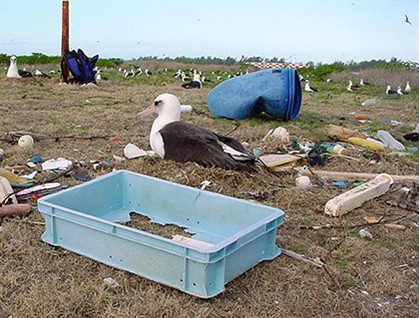
The Galápagos Islands, a volcanic archipelago straddling the equator, are a living laboratory of evolution and a naturalist's paradise. As a marine biologist specializing in seabird conservation, I, Isabella “Isa” Rodriguez, had the incredible opportunity to visit these enchanted isles on a research trip. My focus was on studying the impact of plastics on albatross nesting sites, a project partially funded through ecotourism initiatives. This journey wasn't just about science; it was a deeply personal encounter with a unique ecosystem and a powerful reminder of the importance of sustainable Galapagos travel. This blog post is my review of the destination, focusing on the unique experiences and the importance of responsible tourism. I’m excited to share my insights with you!
Snorkeling in Tagus Cove: A World of Penguins and Iguanas
One of the most surreal experiences of my trip was snorkeling in Tagus Cove on Isabela Island. The water, while a bit chilly (bring a wetsuit!), was crystal clear, offering incredible visibility. Imagine floating alongside marine iguanas, the only lizard species in the world that forages in the sea. These fascinating creatures have adapted to the cold water by slowing their heart rate, allowing them to conserve energy during their dives.
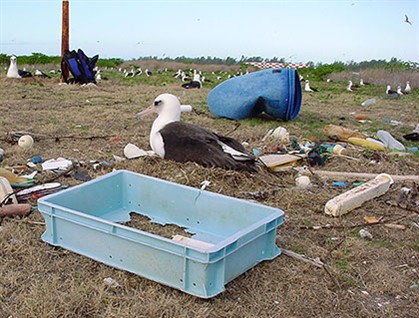
Witnessing a marine iguana gracefully navigating the underwater world of Tagus Cove was unforgettable. Their unique adaptation to cold waters is a testament to the remarkable biodiversity of the Galápagos Islands.
But the real highlight? Swimming with Galápagos penguins! These are the only penguin species found north of the equator, and seeing them dart through the water with such agility was breathtaking. Observing these unique creatures in their natural habitat was a humbling experience, reinforcing the delicate balance of this ecosystem. This experience is a must when doing Galapagos Islands snorkeling tours.
Charles Darwin Research Station: Meeting the Giants
A visit to the Charles Darwin Research Station on Santa Cruz Island is essential for anyone interested in the conservation efforts in the Galápagos. The station's tortoise breeding program is a remarkable example of how dedicated scientists are working to protect these iconic creatures. I spent hours observing the different species of giant tortoises, marveling at their immense size and gentle nature.
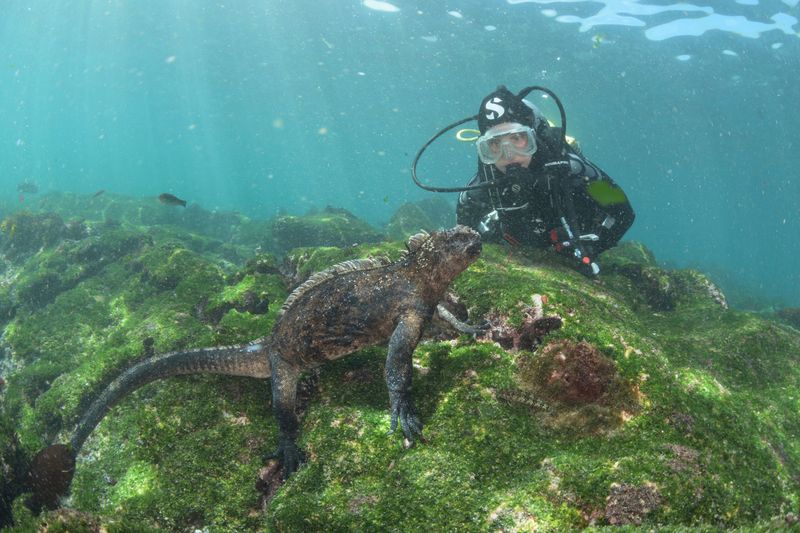
The Charles Darwin Research Station plays a vital role in the conservation of the Galápagos giant tortoises. Their breeding program helps ensure the survival of these iconic creatures for future generations.
The station houses tortoises of all ages and sizes, from tiny hatchlings to massive adults. I learned about the legacy of Lonesome George, the last known individual of the Pinta Island tortoise, and the ongoing efforts to restore tortoise populations on specific islands through captive breeding and release programs. The work they're doing helps to sustain the endemic species of the Galapagos.
Genovesa Island: A Birdwatcher's Paradise
Genovesa Island, also known as Bird Island, is a haven for avian enthusiasts. A birdwatching tour on Genovesa Island is an absolute must. The island's unique volcanic landscape provides the perfect backdrop for observing an incredible array of birdlife. I was particularly captivated by the red-footed boobies nesting in the trees, their vibrant red feet a striking contrast against the green foliage.
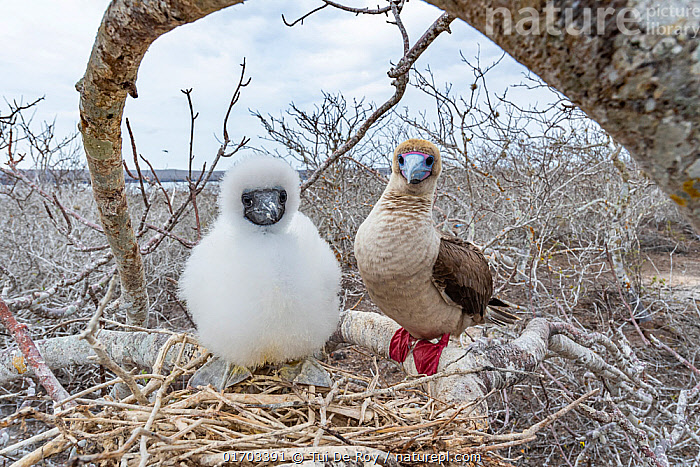
Genovesa Island is a sanctuary for seabirds, including the red-footed boobies. The island's unique landscape offers a perfect environment for birdwatching enthusiasts.
What was particularly fascinating was seeing short-eared owls hunting during the day, an unusual behavior adapted to the island's unique environment. Frigatebirds were also abundant, their impressive wingspans dominating the sky. Genovesa is a testament to the incredible adaptations of birdlife to the volcanic islands.
A Taste of the Galápagos: Local Cuisine and Sustainable Practices
The Galápagos Islands offer a unique culinary experience, with a focus on fresh, locally sourced ingredients.
Ceviche de Concha: A Local Delicacy
One dish I highly recommend trying is ceviche de concha, a ceviche made with black clams. The taste is incredibly fresh and briny, with a slightly chewy texture. It’s important to ensure that the clams are sustainably harvested to protect the local ecosystem. Make sure you verify that the ceviche comes from a restaurant that follows best practices.
Sustainably Sourced Grilled Fish: From Sea to Table
Fresh, sustainably sourced grilled fish is another highlight of Galápagos cuisine. The types of fish available vary depending on the season, but you can always count on a delicious and healthy meal. Look for restaurants that prioritize sustainable fishing practices to minimize their impact on the marine environment.
Dining Aboard: Sunset Views and Local Flavors
One of the most memorable dining experiences was on board the Vistalocation-booked yacht, enjoying local cuisine while watching the sunset over the Galápagos Islands. The ambiance was magical, with the warm colors of the setting sun painting the sky. The challenge of obtaining fresh produce on the islands due to their isolation highlights the importance of supporting local farmers and sustainable agriculture.
The Landscapes of the Enchanted Isles: A Volcanic Wonderland
The landscapes of the Galápagos are as diverse as the wildlife.
Volcanic Landscapes: A Glimpse into Earth's Power
The stark volcanic rock formations are a constant reminder of the islands' origins. Everywhere you look, you can see evidence of past volcanic activity, from lava fields to craters.
Black Sand Beaches: A Unique Coastal Experience
The black sand beaches are another unique feature of the Galápagos. The dark sand, formed from eroded volcanic rock, creates a striking contrast with the turquoise water. Walking on these beaches is an experience in itself, a sensory reminder of the islands' volcanic past.
Pinnacle Rock: An Iconic Landmark
No trip to the Galápagos is complete without visiting Pinnacle Rock on Bartolomé Island. This iconic geological formation is a testament to the power of erosion. The views from the summit are breathtaking, offering panoramic vistas of the surrounding islands.
Arid Coastlines and Lush Highlands: A Tale of Two Ecosystems
The contrast between the arid coastal areas and the lush highlands is remarkable. The coastal regions are characterized by dry scrub and cacti, while the highlands are often shrouded in mist and support a diverse range of plant life. This difference is due to the varying levels of rainfall and the influence of altitude. The contrast between arid coastal areas and lush highlands shows a very fragile ecosystem.
VistaLocation and Sustainable Travel: A Perfect Partnership
My trip to the Galápagos was made possible in part by VistaLocation, who helped me find a small, locally-owned yacht tour operator committed to sustainable tourism practices. This operator donates a portion of their profits to local conservation efforts focused on cleaning plastics from nesting areas, directly addressing the issue I was researching.
Booking accommodations on Isabela Island proved to be a great choice. It's less crowded than Santa Cruz, offering more opportunities to connect with the local community and experience the authentic Galápagos way of life. Galapagos Islands local guides are extremely knowledgable and helpful to new visitors.
Reflections on Ecotourism and Conservation: A Call to Action
My time in the Galápagos reinforced the crucial role of ecotourism in supporting conservation efforts. The revenue generated from tourism helps fund vital research, conservation programs, and community development projects. However, it's essential to strike a delicate balance between tourism and environmental protection.
The islands face numerous challenges, including the impact of plastics, invasive species, and climate change. Conducting marine research in such a remote location presents its own set of difficulties, from logistical hurdles to limited resources. That's why responsible Galapagos travel is extremely important.
I encourage everyone to visit the Galápagos Islands responsibly, supporting sustainable tourism initiatives and respecting the unique environment. By choosing eco-conscious tour operators and accommodations, you can help ensure that these enchanted isles remain a paradise for generations to come. Every action counts.