Discovering the Lau Islands of Fiji: A Marine Bi...
As a marine biologist specializing in coral reef ecosystems, I've had the privilege of exploring some of the most vibrant and fragile marine environments on our planet. My recent journey to the Lau Islands of Fiji, a remote archipelago in the South Pacific, was unlike any other. This wasn't just a scientific expedition; it was an immersion into a rich culture deeply intertwined with the natural world, a stark reminder of the threats facing our oceans, and a testament to the resilience and determination of local communities. This blog will cover the Meke performance, the Ana-Kilakila cave system, Fijian camakau canoes, the Lovo feast, and sustainable tourism. As Dr. Anya Sharma, I'm excited to share my experiences and insights, offering a glimpse into the beauty and challenges facing this unique corner of the world. Join me as I delve into the heart of the Lau Islands, exploring its traditions, landscapes, and the critical conservation efforts underway.
A Cultural Immersion: The Meke and the Vakamalolo Dance
One of the most captivating experiences during my time in the Lau Islands was witnessing a traditional Meke performance. These cultural dances are a vital part of Fijian heritage, and the vakamalolo dance, in particular, offers a glimpse into the history and values of the Lauan people. The costumes were vibrant, adorned with intricate patterns and natural materials like leaves and shells. The rhythmic music, created with traditional instruments like the lali drum, resonated through the village, setting the stage for a powerful display of storytelling through movement. The vakamalolo dance, often performed by women, depicts tales of daily life, historical events, or even mythical legends. Its significance lies in preserving cultural identity and passing down traditions from one generation to the next. It's a truly moving experience and one that I highly recommend experiencing responsibly through ethical, local tour operators when visiting.
Exploring the Depths: The Limestone Caves of Fulaga
Fulaga Island is renowned for its stunning limestone formations, both above and below the water. A visit to Ana-Kilakila cave was a highlight of my trip. The cave system is a labyrinth of stalactites and stalagmites, sculpted over millennia by the slow drip of water.
The formations are breathtaking, creating an otherworldly atmosphere within the cave. While I didn't observe any unique species within the cave itself, the surrounding waters are home to a diverse array of marine life. The local legends associated with Ana-Kilakila add another layer of intrigue, with stories of ancient spirits and hidden treasures passed down through generations. Exploring these caves provides a unique perspective on the geological history of the Lau Islands and their connection to the ocean. Consider guided tours to Ana-Kilakila caves to support the local economy and culture.
The Art of the Camakau: Traditional Canoe Building
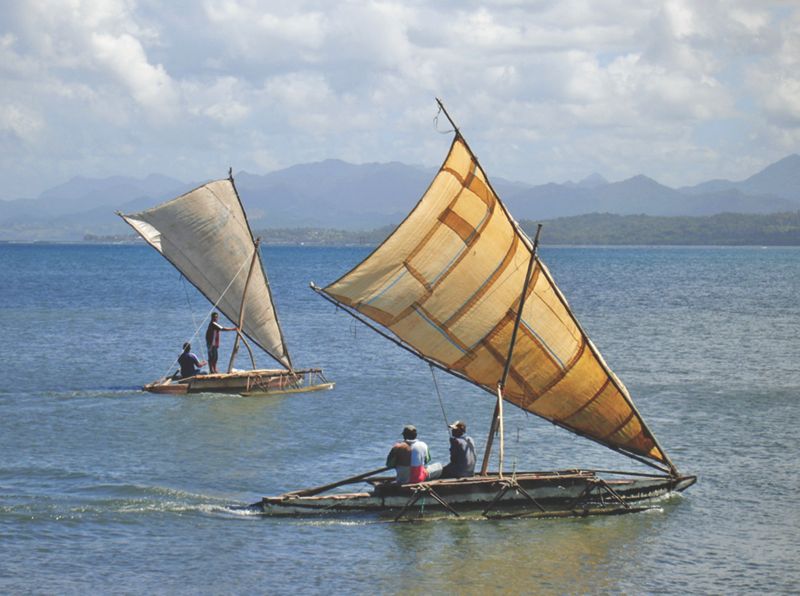
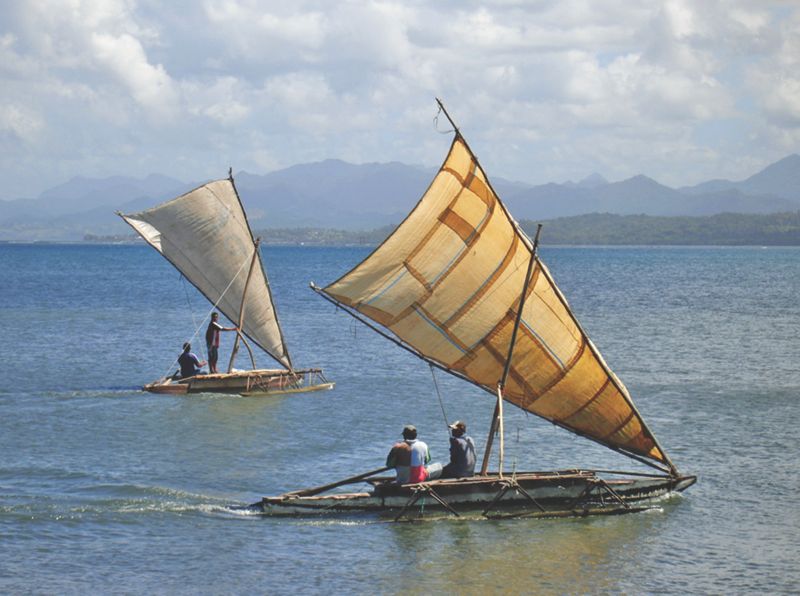
The camakau canoe is more than just a boat in Fiji; it's a symbol of cultural identity and a testament to the ingenuity of Fijian craftsmanship. I had the opportunity to visit a workshop where these traditional canoes are being built using time-honored techniques. The process begins with selecting the right vesi wood, a hardwood prized for its durability and resistance to saltwater. The wood is then carefully shaped and carved using traditional tools. One of the most fascinating aspects of camakau construction is the use of magimagi rope, made from coconut fibers, to bind the planks together. This natural rope is incredibly strong and flexible, providing the necessary support for the canoe to navigate the waves. The cultural importance of these canoes cannot be overstated. They are used for fishing, transportation, and even ceremonial purposes, connecting communities across the islands and maintaining a link to their maritime heritage. Booking a sustainable Camakau Canoe building experience supports the local economy.
A Taste of Tradition: The Lovo Feast on Wakaya Island
No trip to Fiji is complete without experiencing a Lovo feast, and my meal on Wakaya Island was truly unforgettable. The Lovo is a traditional Fijian method of cooking food in an underground oven. Layers of heated stones are used to cook a variety of dishes, including kawakawa fish, cassava, dalo (taro), lolo (coconut cream), and miti (a coconut-based relish). The preparation of the Lovo is a communal effort, with families and friends working together to gather the ingredients, prepare the oven, and cook the food. The flavors are rich and smoky, and the communal aspect of the feast is just as important as the food itself. Sharing a Lovo is a celebration of community and a reminder of the importance of food in Fijian culture.
Landscapes of Paradise: Lagoons, Beaches, and Coral Reefs
The Lau Islands boast some of the most breathtaking landscapes I've ever encountered. The turquoise lagoons and white sandy beaches of Qamea are the epitome of tropical paradise. The unique mushroom-shaped limestone islands, scattered throughout the archipelago, add an element of surreal beauty to the scenery. On Nayau Island, I was particularly struck by the diverse flora and fauna, both on land and in the water. One of the most encouraging sights was the presence of Acropora cervicornis coral, a species that has suffered greatly from coral bleaching in other parts of the world, still thriving in certain areas. While coral bleaching is a concern here as well, the resilience of some reefs provides hope for the future.
The Looming Threats: Dynamite Fishing, Overharvesting, and Climate Change
Despite their beauty, the Lau Islands face significant environmental threats. Dynamite fishing, a destructive practice that indiscriminately kills marine life and destroys coral reefs, remains a persistent problem. The overharvesting of sea cucumbers, driven by demand from Asian markets, is depleting populations and disrupting the delicate balance of the marine ecosystem. Plastic pollution is another growing concern, with plastic waste washing up on beaches and entangling marine animals. However, the most significant threat is climate change, which is causing coral bleaching and ocean acidification. Sea surface temperatures in the Lau Islands have risen 1.5 degrees Celsius above the long-term average in the past decade, according to NOAA Coral Reef Watch data, exacerbating the problem. These threats underscore the urgent need for conservation efforts to protect the Lau Islands for future generations.
Conservation in Action: Local Communities Leading the Way
Despite the challenges, I was deeply inspired by the conservation efforts being led by local Fijians. Organizations like the fictional, but representative of existing efforts, "Lau Islands Conservation Fund" are working tirelessly to protect the marine environment. One of the most promising initiatives is the transplantation of resilient coral fragments to combat coral bleaching. Local communities are identifying coral colonies that have survived bleaching events and carefully transplanting fragments to degraded reefs. This process helps to accelerate the recovery of damaged reefs and promote the growth of more resilient coral populations. Seeing these efforts firsthand gave me hope for the future of the Lau Islands and highlighted the importance of empowering local communities to lead conservation efforts.
Sustainable Tourism: Protecting Paradise for Future Generations
As tourists, we have a responsibility to minimize our impact on the environment and support local communities. When visiting the Lau Islands, there are several steps you can take to reduce your plastic footprint:
- Bring reusable water bottles: Avoid buying single-use plastic bottles and refill your reusable bottle with filtered water.
- Support local businesses that use sustainable packaging: Choose restaurants and shops that prioritize eco-friendly practices.
- Participate in local beach cleanup initiatives: Help remove plastic waste from beaches and contribute to the overall cleanliness of the islands.
- Choose eco-friendly accommodations: Stay at hotels or guesthouses that implement sustainable practices such as water conservation, waste reduction, and renewable energy.
By making conscious choices and supporting sustainable tourism initiatives, we can help protect the Lau Islands and ensure that future generations can enjoy their beauty and cultural heritage.
Conclusion: A Call to Action
My journey to the Lau Islands was a powerful reminder of the interconnectedness of culture, conservation, and the environment. The beauty and resilience of the Lau Islands are undeniable, but so are the threats they face. It is our collective responsibility to support conservation efforts, promote sustainable tourism, and address the root causes of climate change and pollution. By working together, we can help protect this unique corner of the world and ensure that its cultural and natural treasures endure for generations to come. Consider supporting the Lau Islands Conservation Fund and similar initiatives to empower local communities to protect their marine environment.
VIRAL VIDEO DESCRIPTION:
Title: Will Paradise Survive? The Lau Islands' Fight for Survival
Description:
Rapidly bleaching coral reveals the shocking reality facing the Lau Islands of Fiji. Witness the vibrant culture, the devastating impact of climate change and pollution, and the inspiring resilience of local communities. Can they save their paradise? #LauIslands #Fiji #CoralBleaching #ClimateChange #Conservation #Travel #Ecotourism #SaveOurReefs
Video Framework:
- HOOK (0-3 seconds): Rapid time-lapse of Acropora cervicornis coral rapidly bleaching from vibrant color to stark white, shot on RED in cinematic 4K with dramatic shadows and underwater GoPro POV.
- SCENE (3-7 seconds): Bright, cinematic 4K scene at golden hour in Lomaloma village, Vanua Balavu Island. Dr. Anya Sharma participating in a kava ceremony with local villagers. Slow-motion pan across faces showing concern and determination.
- TWIST (7-10 seconds): Split-screen: Thriving vs. damaged coral reefs (high-speed camera work, cinematic 4K). Plastic waste washing up on Moce Island (shot on RED). Title card: "Climate Change, Pollution, Overfishing: Can the Lau Islands Survive?"