Discovering Sustainable Travel in Salta, Argenti...
Salta, Argentina, often dubbed "Salta la Linda" (Salta the Beautiful), is more than just a pretty face. Nestled in the heart of the Andes, this region boasts dramatic landscapes, a rich cultural heritage rooted in indigenous traditions, and a burgeoning commitment to sustainable tourism. From the otherworldly expanse of the Salinas Grandes to the vibrant hues of the Quebrada de Humahuaca and the serene beauty of the Valles Calchaquíes, Salta offers a unique travel experience for those seeking to minimize their impact and maximize their connection with nature and local communities. Come explore the wonders of sustainable travel Salta Argentina and uncover its potential as a leading eco-tourism destination.
Activities and Experiences: Immersing Yourself in Salta's Natural Wonders
Salta's diverse landscapes provide ample opportunities for eco-conscious adventures.
Salinas Grandes: A Responsible Exploration
The Salinas Grandes, a vast salt flat stretching across the high-altitude Puna plateau, is a must-see. While tourism here has its challenges, several operators offer sustainable tours focused on minimizing environmental impact and supporting local communities. Look for tours that partner with indigenous communities, providing them with employment and ensuring that a portion of the tour fees goes directly back into community development. Be mindful of your waste, avoid driving off designated paths, and choose tour operators committed to preserving this fragile ecosystem. These tours may cost around $50-$80.
Tren a las Nubes (Train to the Clouds): A Historic Journey with Modern Considerations
The Tren a las Nubes, or Train to the Clouds, is an iconic railway that climbs to breathtaking altitudes. Its historical significance is undeniable, but it's essential to be aware of its operational impact. Efforts are being made to mitigate its environmental footprint, but consider offsetting your carbon emissions from this journey. Support the initiative by purchasing souvenirs from local artisans at the stops along the way. A train ticket costs around $150.
Quebrada de Humahuaca: A Cultural Tapestry
The Quebrada de Humahuaca, a UNESCO World Heritage Site, is a stunning valley rich in cultural heritage. Eco-tourism initiatives here focus on preserving the traditions and livelihoods of the local communities. Support community-based tourism projects, such as homestays with indigenous families or guided hikes led by local guides. This kind of community-based tourism in Salta enriches travelers' experiences and directly supports the people who call this place home. Seek out tours emphasizing the region's cultural significance, focusing on responsible travel practices.
Food: A Taste of Salta's Sustainable Flavors
Salta's culinary scene offers delicious opportunities to support local and sustainable practices.
Empanadas Salteñas: A Taste of Tradition
No trip to Salta is complete without indulging in empanadas salteñas at a local peña (traditional folk music venue). These savory pastries are filled with locally sourced ingredients like beef, potatoes, and onions, reflecting the region's agricultural heritage. Supporting these local establishments directly benefits farmers and producers in the area.
Cafayate's Sustainable Wineries: A Toast to Responsible Viticulture
Cafayate, known for its Torrontés wines, is home to several wineries practicing sustainable viticulture. Look for wineries that use organic farming methods, conserve water, and prioritize biodiversity. Many offer tours that highlight their sustainable practices, providing insight into the efforts to minimize their environmental footprint. Sustainable wine tasting tours in Cafayate Argentina can cost around $30-$50.
Llama Steak in Purmamarca: Ethical Considerations
Sampling llama steak at a restaurant in Purmamarca can be a unique culinary experience. However, it's important to consider the ethical implications of consuming llama meat. Inquire about the sourcing of the meat, ensuring that it comes from farms practicing sustainable animal husbandry. Choosing restaurants committed to ethical sourcing supports local farmers and promotes responsible consumption.
Landscape: Witnessing Nature's Masterpieces
Salta's geological formations are a feast for the eyes.
Cerro de los Siete Colores: A Painter's Palette
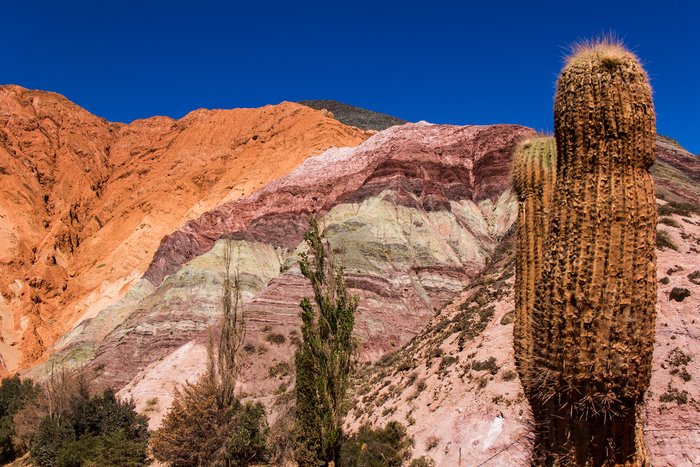
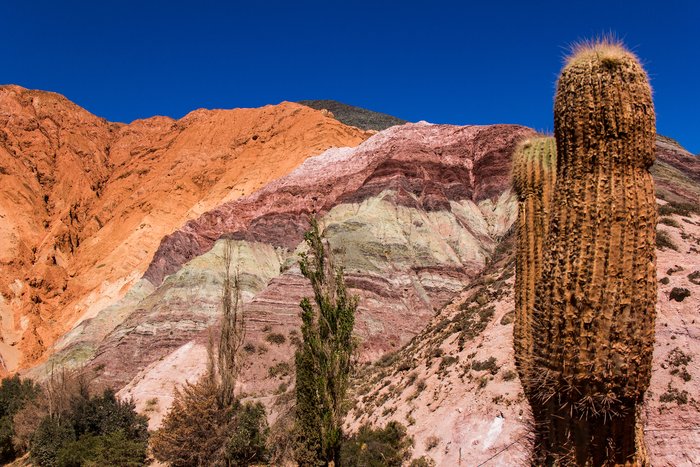
The Cerro de los Siete Colores (Hill of Seven Colors) in Purmamarca is a breathtaking display of nature's artistry. The vibrant colors are due to different mineral compositions within the rock layers. Respect the cultural significance of this landscape to the local community by avoiding climbing on the formations and supporting local artisans selling handmade crafts. Sunrise offers the most spectacular photographic opportunities.
Valles Calchaquíes: A High-Altitude Oasis
The Valles Calchaquíes are a network of valleys characterized by unique flora adapted to the high-altitude environment. The altitude impacts the landscape, creating dramatic variations in temperature and precipitation. Explore the region on foot or by bicycle, taking time to appreciate the resilience of the native plants and animals.
Accommodation: Eco-Lodges in the Valles Calchaquíes
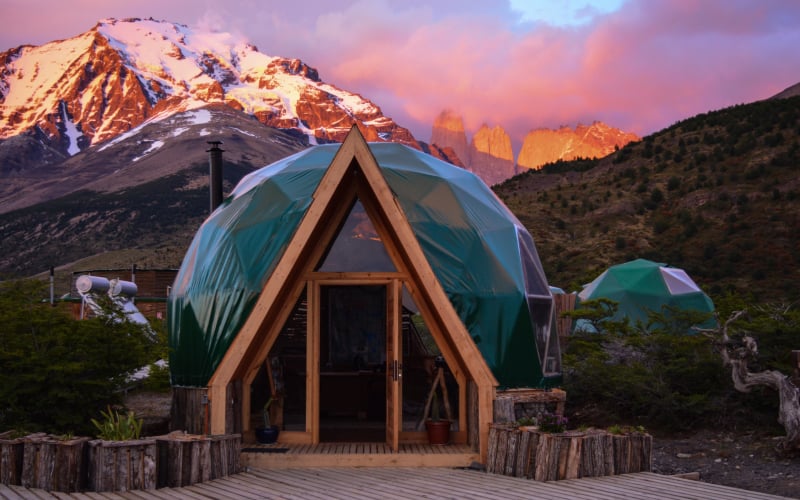
For an immersive and sustainable experience, consider staying at an eco-lodge in the Valles Calchaquíes. One excellent option is Puna de Atacama Hotel, an Eco-Lodge focuses on minimizing their impact by leveraging solar power, prioritizing water conservation, sourcing food locally, and implementing robust waste management systems. Staying here allows you to experience the region's natural beauty while supporting sustainable practices. Expect to pay around $100-$150 per night. Salta Argentina eco-friendly accommodation options like this make for the best experiences.
Transportation: Navigating Salta Sustainably
Getting There and Getting Around
To reach Salta, you can fly into Salta's Martín Miguel de Güemes International Airport (SLA) or take a long-distance bus from major cities in Argentina. Within the region, local buses are a cost-effective way to travel, but they can be time-consuming. Renting a car offers more flexibility, but it also has a larger carbon footprint. Consider offsetting your emissions if you choose to rent a car. For shorter distances, walking or cycling are great options.
Eco-Friendly Tour Options
Salta Adventures provides eco-friendly tour options in the region, focusing on responsible travel practices. Their tours range from hiking and trekking to cultural immersion experiences, all designed to minimize environmental impact and support local communities.
Cost of Living: Sustainable Travel on a Budget
The average cost for eco-friendly tours in Salta, such as guided hikes focusing on minimal impact, ranges from $40 to $70 per day. Sustainably sourced meals at restaurants using locally sourced ingredients typically cost between $20 and $30 per person. Accommodation in eco-lodges or locally-owned guesthouses averages around $80 to $150 per night. Compared to other sustainable travel destinations, Salta offers a relatively affordable option for budget-conscious travelers.
Local Interactions: Connecting with Salta's Culture
Supporting Local Artisans
During your travels, take the opportunity to interact with local artisans, such as weavers and potters. Their traditional techniques have been passed down through generations, and supporting their livelihoods is crucial for preserving cultural heritage. Visit local shops and markets that sell locally made, sustainable products, ensuring that your purchases directly benefit the artisans.
Pachamama Ceremony: Honoring Mother Earth
If your visit coincides with a traditional Pachamama ceremony, consider attending. This ancient ritual honors Mother Earth and expresses gratitude for her bounty. Participating in this ceremony offers a profound connection to the local culture and spiritual beliefs.

Sustainability Practices: Salta's Commitment to Responsible Tourism
Salta is making strides in promoting sustainable tourism through various initiatives. Local NGOs are working on conservation projects, and some businesses are adopting eco-friendly practices. Look for certifications or labels that indicate a commitment to sustainability. Community based tourism in Salta is rapidly expanding.
Cultural Immersion: Learning from Local Traditions
Explore opportunities to learn about indigenous weaving techniques from local artisans. These ancient crafts hold deep cultural significance, and learning about their history and symbolism provides a deeper understanding of the region's heritage.
Photography: Capturing Salta's Unique Light
When photographing Salta's landscapes, focus on capturing the unique textures and colors at sunrise and sunset. The high-altitude light can be challenging, but the rewards are stunning. Some specific locations offering the best photographic opportunities include the Cerro de los Siete Colores, the Salinas Grandes, and the Valles Calchaquíes.
Overall Verdict: Salta - A Promising Destination for Eco-Conscious Travelers
Salta holds immense potential as a destination for eco-conscious travelers. By choosing locally owned businesses, respecting local customs, and reducing your waste, you can minimize your environmental impact and support local communities. Some additional actionable steps you can take:
- Choose accommodations with sustainability certifications.
- Support local restaurants that use regional ingredients.
- Participate in tours that benefit local communities.
- Pack reusable water bottles and shopping bags.
- Be mindful of your water and energy consumption.
For Vistalocation.com readers seeking an authentic and sustainable travel experience, Salta, Argentina, is a must-visit destination. It's a location where sustainability is not just a trend but a way of life, offering you the opportunity to connect with nature and support local communities. Experience sustainable travel Salta Argentina and discover a destination that will inspire you.