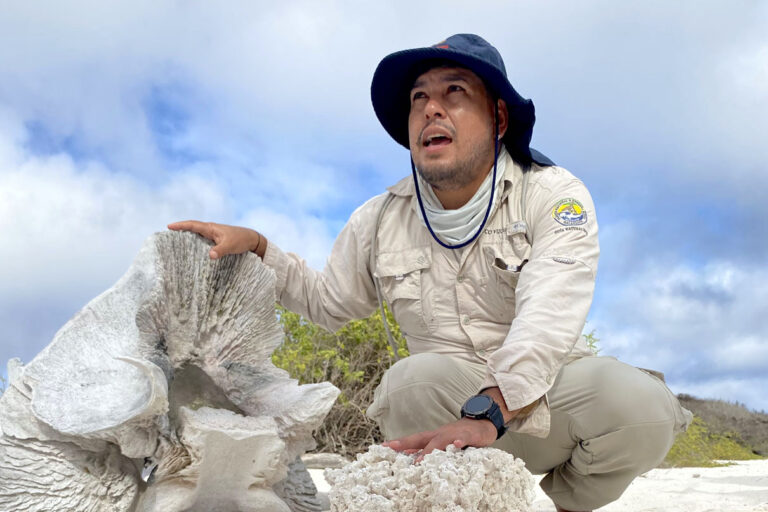
Discovering Sustainable Paradise: My Eco-Adventu...
Hello from sunny Miami! It’s your favorite marine biologist and conservation blogger, Isa Rodriguez, back with tales from my recent adventure. This time, I traded the vibrant shores of Florida for the enchanting and ecologically vital Galapagos Islands. I’ve always dreamt of visiting this volcanic archipelago, a living laboratory of evolution, and I’m thrilled to share my experience promoting sustainable Galapagos tours! From snorkeling with marine iguanas to witnessing the iconic blue-footed boobies, the Galapagos exceeded all expectations. What made this trip truly special was my focus on minimizing my environmental impact and supporting the local communities. I used Vistalocation.com to find eco-friendly Galapagos Islands travel options, specifically searching for "Galapagos Eco-Lodges" and "Sustainable Galapagos Tours." Get ready to dive into a world of wonder and learn how we can all travel more responsibly!
Wildlife Encounters: A Dance with Nature
The Galapagos Islands are a wildlife photographer's (and biologist's!) dream. Every island offers unique opportunities to connect with animals found nowhere else on Earth.
The Blue-Footed Boobies of Española Island
Española Island was my first stop, and I was immediately captivated by the comical yet endearing blue-footed boobies. I was lucky enough to witness their elaborate mating ritual. The male boobies perform a high-stepping dance, showing off their vibrantly blue feet—the brighter the blue, the more attractive they are to the females! It was fascinating to observe this unique behavior up close.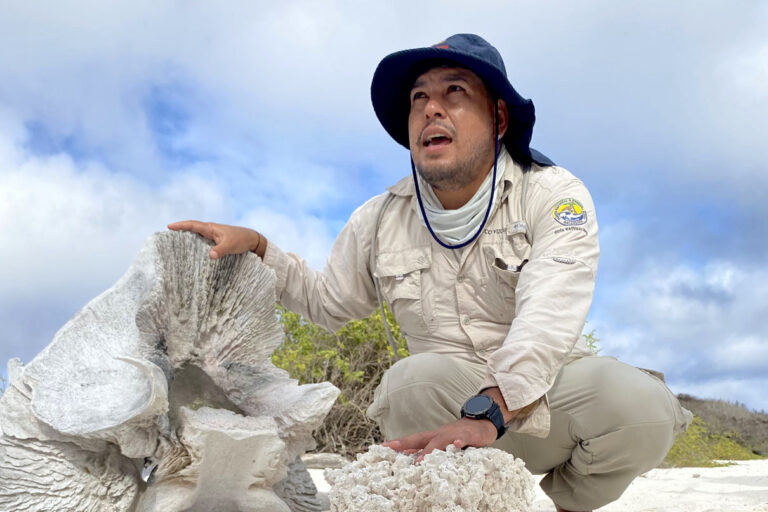
Snorkeling with Marine Iguanas on Fernandina Island
Next, I traveled to Fernandina Island, home to the largest population of marine iguanas. This was an experience I’ll never forget! These incredible reptiles are the only lizards in the world that forage in the ocean. Donning my snorkel gear, I slipped into the cool water and was immediately surrounded by these prehistoric-looking creatures. Watching them graze on algae beneath the waves was truly awe-inspiring. It was a stark reminder of the Galapagos' unique evolutionary history.
Giant Tortoises of Santa Cruz Island
No trip to the Galapagos is complete without visiting the giant tortoises. I spent a day on Santa Cruz Island observing these gentle giants in their natural habitat. Their immense size and slow, deliberate movements are mesmerizing. These tortoises play a crucial role in the Galapagos ecosystem, helping to disperse seeds and maintain the islands' vegetation. Seeing them thriving in their natural environment was incredibly rewarding.
Sustainable Activities: Protecting Paradise
Beyond admiring the incredible wildlife, I was committed to participating in activities that support the long-term health of the Galapagos Islands. Finding Galapagos conservation tours was a priority for me.
The Charles Darwin Research Station: A Hub of Conservation
A visit to the Charles Darwin Research Station on Santa Cruz Island was eye-opening. The station plays a vital role in the conservation of the Galapagos' unique species through scientific research, conservation projects, and environmental education. I learned about their efforts to breed and raise giant tortoises for release into the wild, as well as their ongoing research into the impacts of invasive species.
Beach Cleanup on Isabela Island: Tackling Plastic Pollution
I joined a local organization for a beach cleanup on Isabela Island. The amount of plastic pollution washing ashore was disheartening. From plastic bottles to fishing nets, the impact of our consumption habits on marine life is undeniable. Participating in the cleanup was a small but meaningful way to give back and raise awareness about the importance of responsible waste management. It's crucial to minimize my impact on the Galapagos Islands environment.
Kayaking Through Mangrove Forests
Kayaking through the mangrove forests on Isabela Island was another highlight. Mangroves are vital ecosystems, serving as nurseries for many marine species and protecting coastlines from erosion. Paddling through the calm waters, surrounded by the lush greenery, was a peaceful and educational experience. This trip was made possible through a local tour operator that donates a portion of their profits to the Galapagos Conservancy – I found them through Vistalocation.com by searching for "Sustainable Galapagos Tours".
A Taste of the Galapagos: Local Flavors and Sustainable Practices
Exploring the local cuisine was an integral part of my ethical Galapagos travel experience. I sought out restaurants committed to sustainable practices and supporting local fishermen and farmers.
Fresh Ceviche in Puerto Ayora
In Puerto Ayora, I stumbled upon a family-owned restaurant serving the most delicious ceviche I've ever tasted. The restaurant sourced its fish directly from local fishermen, ensuring sustainable fishing practices. Knowing that my meal was supporting the local economy and protecting marine resources made it even more enjoyable.
Locro de Papa with Organic Ingredients
I also had the chance to try locro de papa, a traditional Ecuadorian potato soup, at a restaurant that prioritized locally sourced and organic ingredients. The rich, creamy soup was incredibly flavorful, and it was a testament to the quality of the ingredients grown on the islands.
Landscapes that Inspire Awe
The Galapagos Islands boast some of the most unique and dramatic landscapes I’ve ever witnessed.
The Black Lava Fields of Bartolomé Island
Bartolomé Island is a volcanic wonderland. The black lava fields stretching to the turquoise sea create an otherworldly scene. Climbing to the summit of Bartolomé offered panoramic views of the island's iconic Pinnacle Rock and the surrounding islands. The volcanic origins of the Galapagos are palpable here.
The Red Sand Beaches of Rabida Island
Rabida Island is famous for its vibrant red sand beaches, a result of the high iron content in the volcanic rock. The contrast between the red sand, the turquoise water, and the black volcanic cliffs is striking. I spent hours exploring the coastline, marveling at the unique geological formations.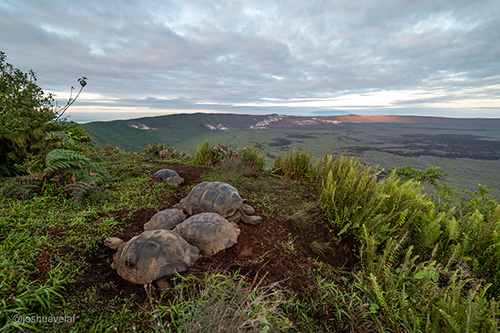
The Sierra Negra Volcano on Isabela Island
The Sierra Negra volcano on Isabela Island boasts the second-largest caldera in the world. Hiking to the caldera's edge was an unforgettable experience. The sheer scale of the volcanic landscape is breathtaking, and the unique vegetation found within the caldera is a testament to the islands' resilience.
Staying Sustainable: My Eco-Lodge Experience
Finding the right accommodation was crucial for my responsible travel Galapagos wildlife experience. I wanted a place that minimized its environmental impact and supported the local community. On Vistalocation.com, I found the perfect eco-lodge located near Puerto Villamil on Isabela Island. This lodge used solar power for electricity and rainwater harvesting for water, drastically reducing its carbon footprint. They also worked closely with local guides and sourced their food from nearby farms. Staying there allowed me to fully immerse myself in the ethical Galapagos vacation I was looking for. The search term "Sustainable Eco-Lodges Galapagos" on Vistalocation helped me find this gem!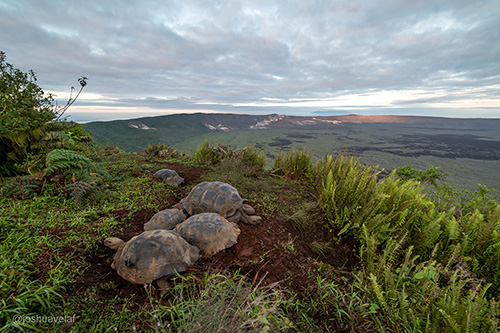
Visiting Galapagos Responsibly
The Galapagos Islands are a treasure, a delicate ecosystem that requires our utmost respect and protection. Here's how you can contribute to Galapagos Islands sustainable tourism:
- Choose Eco-Friendly Tours and Accommodations: Support businesses committed to minimizing their environmental impact. Look for certifications and sustainable practices.
- Respect Wildlife: Maintain a safe distance from animals and avoid disturbing their natural behavior.
- Reduce Waste: Pack reusable water bottles, shopping bags, and containers. Dispose of waste responsibly.
- Support Local Communities: Purchase souvenirs from local artisans and dine at family-owned restaurants.
- Educate Yourself: Learn about the Galapagos ecosystem and the challenges it faces.
Ready to Explore Responsibly?
My trip to the Galapagos Islands was an experience of a lifetime. It was a reminder of the beauty and fragility of our planet and the importance of ethical Galapagos travel. I encourage you to visit this incredible destination responsibly, supporting local communities and protecting its unique ecosystem. Start planning your own eco-adventure today by visiting Vistalocation.com to book sustainable Galapagos tours and eco-friendly accommodations. Let's work together to preserve this paradise for future generations!