Discovering Paradise: Ecotourism and Marine Cons...
Bula from Fiji! Or, more accurately, from my memories of the Lau Islands, a truly special corner of this island nation. As Dr. Anya Sharma, a marine biologist specializing in coral reef conservation, I've explored countless underwater ecosystems, but the Lau Islands ecotourism experience offered something unique. Their remote location, pristine reefs, and commitment to sustainable practices make them a haven for eco-conscious travelers and a vital site for Fiji marine conservation travel. Join me as I recount my journey and share insights into this incredible archipelago and how we can work together to preserve its fragile beauty, and promote sustainable travel Lau Islands Fiji.
A Freediving Dream in Vanua Balavu
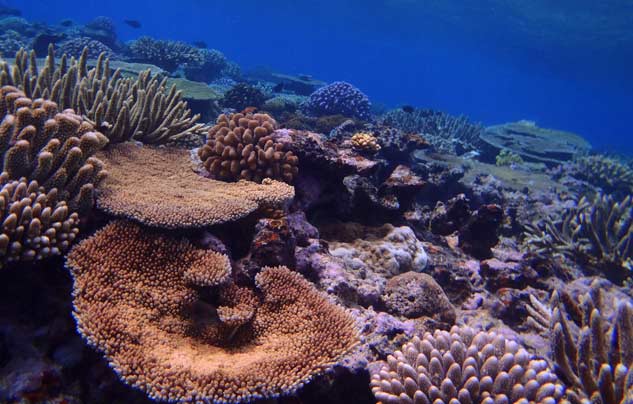
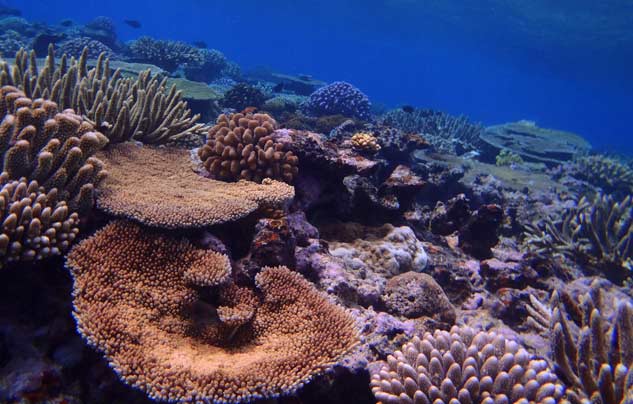
Vanua Balavu was my first stop, and its coral reefs immediately captivated me. Freediving in these waters felt like entering another world. The soft coral gardens are unlike anything I've ever seen – a kaleidoscope of colors swaying gently in the current. These vibrant ecosystems are teeming with life, from tiny reef fish to larger pelagic species. What struck me most was the health of the coral, especially considering the global challenges facing reefs today. We need to focus on Lau Islands coral reef conservation now more than ever. Beyond the corals, the limestone formations add an element of surreal beauty to the underwater landscape. These unique geological features create swim-throughs and overhangs, providing shelter and habitat for a variety of marine creatures, making Lau Islands snorkeling marine life an unforgettable experience.
A Taste of Tradition on Munia Island
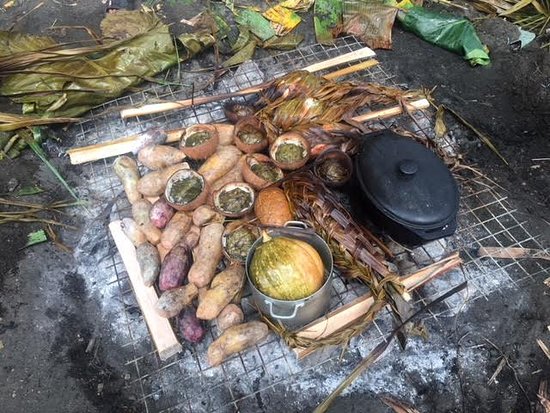
Beyond the stunning underwater world, the cultural immersion was equally enriching. I was fortunate enough to share a traditional Fijian lovo feast with a family on Munia Island. The preparation of the food was a communal effort, and every dish told a story.
- Kokoda (Fijian ceviche): Freshly caught walu marinated in coconut cream, lime juice, onions, and chili. A refreshing and sustainable way to enjoy the bounty of the sea.
- Duruka (Fijian asparagus): Steamed and served with coconut milk. This local delicacy is a reminder of the islands' rich agricultural heritage.
- Cassava Cake: A sweet and satisfying dessert made from grated cassava, coconut milk, and sugar. A true taste of the islands.
The feast highlighted the Lau Islands' reliance on local produce and the limited availability of imported foods. This emphasis on self-sufficiency is not only environmentally friendly but also strengthens the community's connection to their land and traditions. This showcases the value of community-based tourism Lau Islands.
Manta Ray Monitoring near Ono Island
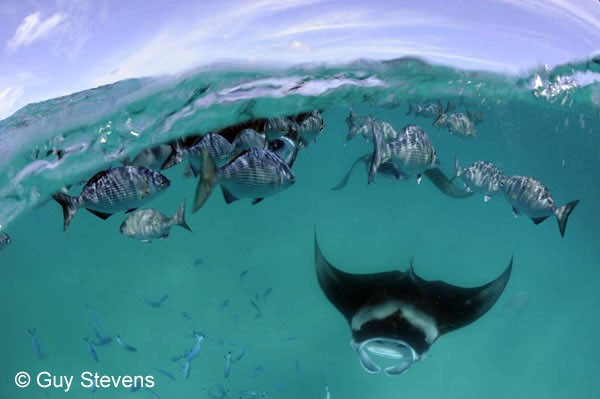
One of the highlights of my trip was assisting with a citizen science project monitoring manta ray populations near Ono Island. These gentle giants are vulnerable to overfishing and habitat destruction, so understanding their movements and behavior is crucial for their conservation. The project involved identifying individual mantas based on their unique spot patterns and recording their location, size, and behavior. It was incredibly rewarding to contribute to this research and to witness firsthand the dedication of the local community to protecting these magnificent creatures. I would encourage any visitor to look for Lau Islands citizen science projects like this one to get involved in.
Traditional Governance and Marine Protected Areas
The Lau Islands boast a rich history of traditional governance, with local chiefs playing a vital role in managing natural resources. This traditional system is now being integrated with modern conservation efforts to establish marine protected areas. These MPAs are designed to protect critical habitats and ensure the long-term sustainability of the islands' marine resources. "Tabu" areas, traditionally closed for fishing, are an essential aspect of this conservation work.
Sustainable Tourism in Action
I witnessed several inspiring examples of sustainable tourism practices during my time in the Lau Islands:
- Solar Power: Many islands are increasingly relying on solar power to reduce their dependence on fossil fuels, minimizing their carbon footprint.
- Locally Owned Guesthouses: These accommodations provide income for local families and offer visitors an authentic cultural experience.
- Traditional Agroforestry: Reviving traditional agroforestry practices helps to restore degraded land, promote biodiversity, and provide food security for local communities.
Travel Responsibly: Minimizing Your Impact
Here are some concrete recommendations for travelers to minimize their impact and support sustainable tourism in the Lau Islands:
- Use reef-safe sunscreen: Protect the coral reefs from harmful chemicals.
- Support local businesses: Choose locally owned guesthouses, restaurants, and tour operators.
- Participate in conservation activities: Volunteer your time or donate to local conservation organizations.
- Reduce your plastic consumption: Bring your own reusable water bottle, shopping bag, and toiletries.
- Respect local customs: Learn about Fijian culture and traditions, and be mindful of your behavior.
A Balanced Perspective: Challenges and Opportunities
The Lau Islands are a truly remarkable destination, but they also face significant challenges. Plastic pollution is a growing concern, as is the potential impact of climate change on the coral reefs. While the pristine nature is wonderful, some improvement is needed to meet the rising needs of tourists, like implementing better waste management systems and promoting responsible diving practices. I feel that Fiji ecotourism impact can be largely positive if the right steps are taken to ensure these islands and their reefs stay healthy. While there may not be many Lau Islands sustainable resorts yet, the tide is turning and it's important to support any efforts toward that goal.
Support Coral Reef Conservation
You can make a difference! Please consider supporting organizations like the Wildlife Conservation Society (WCS) or the Great Barrier Reef Foundation, which are working to protect coral reefs and promote sustainable tourism in the Pacific. By contributing to these efforts, you can help ensure that future generations will have the opportunity to experience the beauty and wonder of the Lau Islands. The islands need our help for Lau Islands marine biodiversity preservation.
Conclusion
My journey to the Lau Islands was more than just a vacation; it was an eye-opening experience that reinforced my commitment to marine conservation and sustainable tourism. The islands' pristine natural environment, the warmth and hospitality of the Fijian people, and the ongoing efforts to protect their unique ecosystem left a lasting impression on me. While challenges remain, the Lau Islands offer a beacon of hope for responsible travel and the preservation of our planet's precious coral reefs. I urge you to visit this incredible destination, to travel responsibly, and to support the local communities and organizations that are working tirelessly to protect this natural treasure. Consider checking out the best eco-lodges Lau Islands Fiji for your stay. Book your trip today and be part of the movement towards a more sustainable future!