Discovering Olympic National Park: A Wildlife Ph...
The air tasted of pine and salt, a crisp, clean inhale that filled my lungs with the raw energy of the Pacific Northwest. Before me stretched a panorama of impossible diversity: snow-capped mountains piercing the sky, lush green rainforests teeming with life, and rugged coastline pounded by relentless waves. As a wildlife photographer and conservationist, I'd dreamed of visiting Olympic National Park for years, drawn by its reputation as a biodiversity hotspot. I knew about the Roosevelt elk, the ancient trees, and the vibrant tide pools. But what I didn't know was that this first glimpse was only the beginning of an incredible journey into a world of towering trees, crashing waves, and hidden creatures. I started to question if I was truly ready.
Hurricane Ridge: Stargazing Above the Clouds
One of my first adventures was a trip up to Hurricane Ridge for a star party. The drive alone was worth it, winding through dense forests before emerging above the treeline to panoramic views of the Olympic Mountains. As darkness fell, the Milky Way blazed into view, an impossible river of light stretching across the inky sky. Park rangers were on hand, pointing out constellations and sharing stories of the cosmos. It was truly dark, perfect for astrophotography. I set up my tripod, battling the wind and the cold, and tried to capture the immensity of it all. The challenge of photographing the night sky in such a remote location was immense, but the experience was profoundly humbling, a reminder of our place in the vast universe.
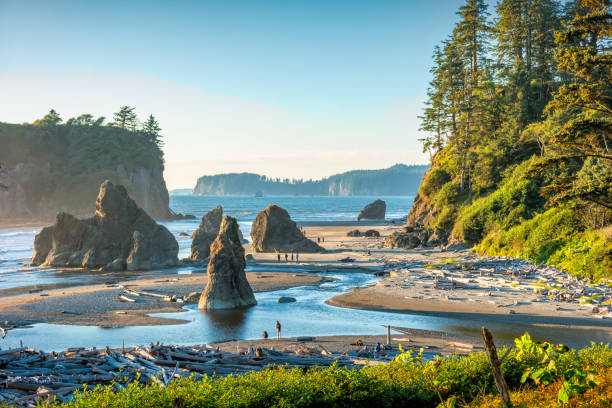
Little did I know, the universe above was just one marvel Olympic had to offer. Tomorrow, I was to explore the wonders below on the intertidal of Rialto Beach. If you are interested in learning about astrophotography, research "where to photograph Milky Way Olympic National Park" before you go.
Rialto Beach: Tide Pooling Treasures
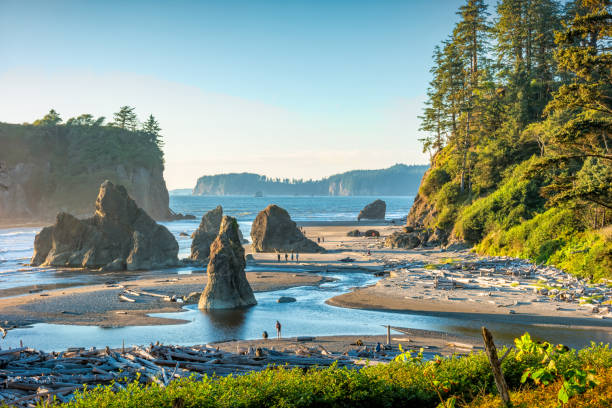
The next morning, armed with waterproof boots and my camera equipped with a macro lens, I headed to Rialto Beach. The timing was crucial: low tide. As the ocean receded, it revealed a hidden world of tide pools, teeming with life. Sea stars in vibrant hues of orange and purple clung to the rocks. Anemones swayed gently in the current, their tentacles reaching out for unsuspecting prey. Chitons, with their armored plates, grazed on algae. Small fish darted between the rocks, flashes of silver in the sunlight.
The constant ebb and flow of the tides shapes this incredible ecosystem, creating a dynamic environment where creatures must adapt to survive. Responsible tide pooling practices are paramount; it's essential to leave no trace, observing without disturbing. My most surprising discovery was a sunflower star, larger than my hand, a splash of yellow against the gray rocks. Photographing these small wonders felt like uncovering hidden gems. The secrets held by the ocean were fascinating, but the forest called my name. The "Pacific Northwest tide pools identification guide" is worth having if you want to learn more.
Hoh Rainforest: An Immersion in Green
The Hoh Rainforest is an experience that transcends the visual. Stepping into this temperate rainforest is like entering another world. The air hangs heavy with moisture, the sound of dripping water a constant symphony. The smell of damp earth and decaying leaves fills your nostrils, a rich, earthy fragrance. Soft moss carpets the ground, cushioning every step. Towering Sitka Spruce and Western Hemlock trees reach for the sky, their trunks draped in emerald green moss. These ancient trees have witnessed centuries of change.
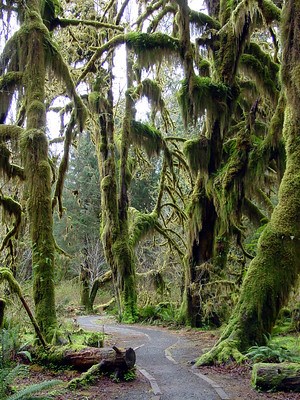
The plants here have adapted in remarkable ways to thrive in this environment, with many species growing on top of others, seeking sunlight. Photographing in the Hoh Rainforest is a challenge due to the low light conditions, demanding a high ISO and a steady hand. The light conditions are tricky so look into "Hoh Rainforest photography tips" before you head out. The dense forests were stunning, but I decided to give my land legs a rest, and venture forth on Lake Quinault...
Lake Quinault: Kayaking in Tranquility
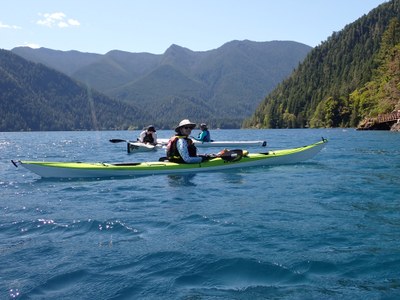
Lake Quinault offered a different perspective of Olympic National Park. The water was incredibly calm, reflecting the surrounding forest like a mirror. I rented a kayak and paddled along the shoreline, soaking in the tranquility. Bald eagles soared overhead, their white heads gleaming in the sun. Otters played in the water, their sleek bodies gliding effortlessly through the lake. Waterfowl paddled near the reeds.
The history of the area is deeply intertwined with the Quinault Indian Nation, who have lived here for centuries. Photographing the scenery from the kayak was a unique experience, allowing me to capture reflections and perspectives that were impossible from land. If you are looking to book your own excursion, search "kayak tour Lake Quinault Olympic National Park beginner" to get started. But the real treat was yet to come - a taste of Olympic's wild side on my palette.
A Taste of Olympic: Culinary Delights
Olympic National Park isn't just a feast for the eyes; it's also a treat for the taste buds. I sought out local, seasonal options to experience the true flavors of the region. One evening, I indulged in a meal of wild-caught salmon, grilled to perfection and served with foraged mushrooms. The rich, smoky flavor of the salmon was unforgettable. For dessert, I had a slice of homemade blackberry pie, bursting with the sweetness of summer. The Salmon House Restaurant in Quinault is worth checking out for local fare, and you can often find fresh produce at local farmers markets. The connection between the food and the natural environment was undeniable. I came here for adventure, for landscape and wildlife - but will I return simply for the food? If you are a vegan, research "Olympic National Park vegan food" before you visit.
Conservation Reflections
Olympic National Park is a treasure, but it faces many challenges. Climate change, invasive species, and unsustainable tourism all pose threats to this delicate ecosystem. It's crucial that we all do our part to protect this natural wonder. Here are a few things you can do:
- Practice Leave No Trace principles: Pack out everything you pack in, stay on marked trails, and avoid disturbing wildlife.
- Support local conservation organizations: Donate your time or money to groups working to protect Olympic National Park.
- Reduce your carbon footprint: Take steps to minimize your impact on the environment.
- Spread awareness: Share your love of Olympic National Park with others and encourage them to visit responsibly.
The park faces many challenges, but is ultimately worth fighting for. Consider looking into "Olympic National Park conservation volunteer opportunities" if you are interested in helping out.
A Lasting Impression
My journey through Olympic National Park was an experience that will stay with me forever. From the towering trees of the Hoh Rainforest to the vibrant tide pools of Rialto Beach and the starlit skies above Hurricane Ridge, this park is a testament to the power and beauty of nature. Olympic National Park’s unique biodiversity and its significance as a protected area, make it worthy of a visit. I encourage you to visit and experience the magic of Olympic National Park for yourselves. I came to Olympic National Park to photograph its beauty. I left determined to protect it. Will you?