Discovering Nosy Be: Coral Reefs, Conservation,...
As a marine biologist specializing in coral reef conservation and sustainable tourism, I’ve spent years exploring the world's most vibrant underwater ecosystems. My current sabbatical, generously supported by my work at Scripps, has led me to a true gem: the Nosy Be archipelago in Madagascar. I chose this destination not only for its Madagascar marine biodiversity and thriving coral reefs but also for the opportunity to contribute to local conservation efforts. This trip has been an immersive experience, connecting me with the land, the people, and the incredibly rich marine life that makes Nosy Be so special. This blog post is your Nosy Be travel guide, focusing on the unique coastal biodiversity and ways to experience sustainable tourism Nosy Be Madagascar.
A Community-Led Coral Restoration Project in Nosy Sakatia
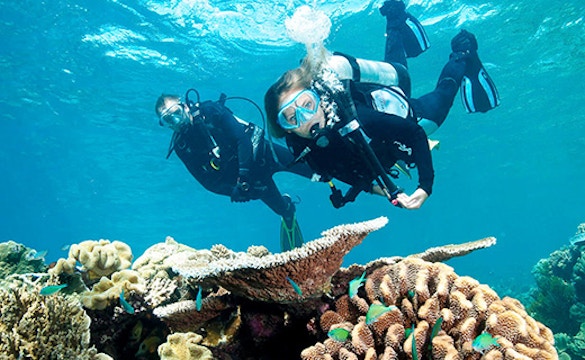
One of the most rewarding aspects of my time here has been my participation in a community-led Nosy Be coral restoration project on the nearby island of Nosy Sakatia. This initiative is a testament to the power of local knowledge and dedication in protecting our planet's fragile ecosystems. The project focuses on coral gardening using locally sourced coral fragments. We carefully collect small, healthy pieces of broken coral and attach them to specially designed frames or ropes. These "coral nurseries" provide a safe environment for the fragments to grow before being transplanted back onto degraded reef areas.
Working alongside the local villagers has been an incredible experience. They possess an intimate understanding of the marine environment, knowledge passed down through generations of traditional fishing practices. I remember one particular day, struggling to identify a specific coral species, when an elder fisherman, without hesitation, pointed it out and explained its unique growth patterns and importance to the local fish population. This exchange highlighted the invaluable insights of indigenous knowledge and the importance of integrating it with scientific expertise.
The challenges are significant. Coral bleaching events, triggered by rising sea temperatures, pose a constant threat. Limited resources and funding often require creative solutions and unwavering commitment. Despite these obstacles, we've seen remarkable successes. Increased coral cover in transplanted areas provides vital habitat for marine life, and the growing community involvement is a powerful indicator of the project's long-term sustainability. This is a grassroots effort ensuring the protection of the Nosy Be coral reef conservation.
Diving into History: The Russian Wreck
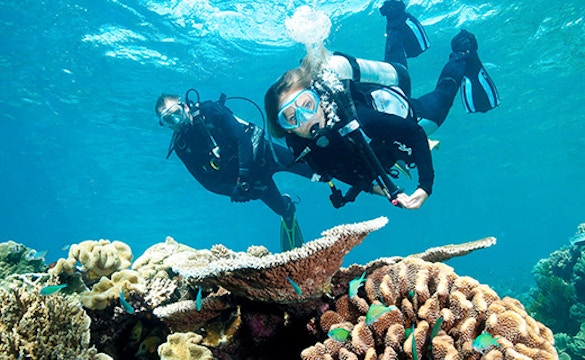
Beyond coral restoration, I explored the underwater wonders of Nosy Be through scuba diving. A particularly memorable dive was at the Russian Wreck scuba diving Nosy Be site. The wreck, teeming with marine life, has become an artificial reef, a testament to nature's ability to reclaim even human-made structures. Schools of vibrant fish darted among the rusted metal, while colorful corals encrusted the ship's surface. I was carefully documenting the species of fish thriving within and outside the wreck and the overall health of the surrounding coastal biodiversity Nosy Be.
It was impossible to ignore the state of the coral nearby. While certain hardy species thrived, I noted signs of stress in more sensitive varieties. The experience reinforced the urgent need for continued conservation efforts to protect these vulnerable ecosystems from the impacts of climate change, pollution, and unsustainable fishing practices.
Lemur Spotting in Lokobe National Park
Venturing inland, I explored the lush Lokobe National Park, a sanctuary of biodiversity and a haven for Madagascar's iconic lemurs. Lokobe National Park lemur spotting is an unforgettable experience. Hiking through the dense forest, guided by local experts, I was fortunate enough to observe several species of lemurs in their natural habitat. The park is also home to a rich array of other wildlife, including chameleons, geckos, and a variety of bird species.
Lokobe National Park is a critical area for Madagascar wildlife conservation. Its protection is vital for preserving the island's unique biodiversity. However, like many protected areas, it faces challenges from deforestation, habitat loss, and the unsustainable exploitation of natural resources.
A Taste of Sakalava Culture: A Culinary Journey
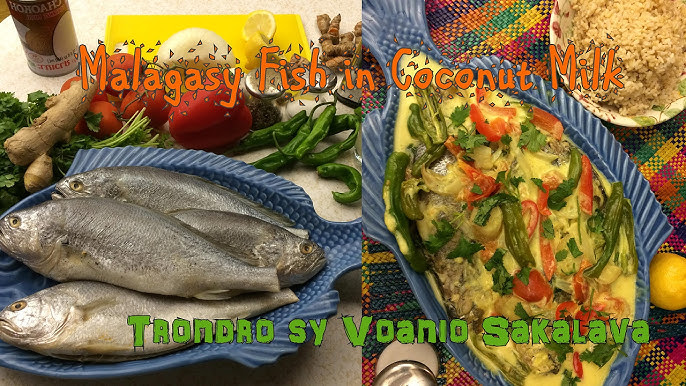
No trip to Nosy Be is complete without immersing oneself in the local culture. I had the pleasure of participating in a traditional Sakalava cooking class Nosy Be, learning to prepare some of the region's most iconic dishes. First, we made Romazava, a flavorful beef stew simmered with local greens and spices. The aroma alone was intoxicating! Then, we grilled fresh seafood – succulent lobster and plump camarons (prawns) – over an open fire. The highlight, however, was learning to make Koba akondro, a sweet and satisfying peanut and banana cake.
Each dish tells a story. The Romazava, with its blend of indigenous greens, reflects the island's agricultural heritage. The grilled seafood highlights the importance of the ocean to the Sakalava people. And the Koba akondro, with its combination of local ingredients, is a testament to the island's resourcefulness and culinary creativity. The cooking class was more than just a lesson in preparing food; it was a journey into the heart of Sakalava culture. To support the local culture of Nosy Be as a visitor, participating in classes like this will connect you with the community.
Unique Coastal Biodiversity: A Fragile Paradise
Nosy Be boasts a diverse coastal landscape, encompassing vibrant coral reefs, lush mangrove forests, and striking endemic baobab trees. The coral reefs, as I've witnessed firsthand, are biodiversity hotspots, supporting a dazzling array of marine life. The mangrove forests, vital nurseries for fish and crustaceans, protect the coastline from erosion and provide crucial habitat for birds and other wildlife. And the baobab trees, with their massive trunks and distinctive silhouettes, are iconic symbols of Madagascar's unique flora. This coastal biodiversity Nosy Be is under threat, and it's our responsibility to protect it.
The Ecological Impact of Tourism: A Balancing Act
Tourism, while providing economic opportunities, can also have a significant ecological impact. Pollution from boats and resorts, overfishing, and unsustainable development can all threaten Nosy Be's fragile ecosystems. It is imperative to find a way to promote sustainable tourism Nosy Be Madagascar.
Responsible Travel Practices: Protecting Paradise
As travelers, we have a responsibility to minimize our impact and support conservation efforts. Here are a few recommendations for responsible travel in Nosy Be:
- Choose eco-friendly accommodations: Seek out lodges with sustainable initiatives, such as solar power, water conservation, and waste reduction programs. One option is the Vanila Hotel & Spa, which focuses on sustainable practices.
- Support local businesses: Patronize locally owned restaurants, shops, and tour operators.
- Avoid single-use plastics: Bring your own reusable water bottle, shopping bag, and toiletries.
- Respect the local culture: Learn a few basic phrases in Malagasy and be mindful of local customs and traditions.
- How can I travel responsibly in Nosy Be, Madagascar? By following these recommendations!
Sustainable resorts in Nosy Be near coral reefs are the best option if you want to enjoy the island's beautiful scenery.
Supporting Marine Conservation: A Call to Action
You can make a difference by supporting marine conservation organizations working in Madagascar. Consider donating to organizations like Madagascar National Parks or Blue Ventures, which are dedicated to protecting the country's unique biodiversity. Additionally, choose eco-friendly hotels Nosy Be Madagascar.
The Power of Community: A Final Reflection
My experience in Nosy Be has reinforced the importance of community-led conservation efforts and the role of ecotourism in protecting fragile ecosystems. By empowering local communities and promoting responsible travel practices, we can ensure that this paradise remains a vibrant and thriving destination for generations to come.
Imagine a short drone video showcasing the vibrant coral reefs of Nosy Be, interspersed with interviews with local conservationists involved in the coral restoration project. This video would highlight the beauty of the underwater world and the importance of protecting it for future generations. We can work with local content creators to make this a reality. Together, we can make a difference.