Discovering Bhutan: A Journey of Authentic Cultu...
Bhutan. Just the name conjures images of snow-capped peaks, vibrant prayer flags fluttering in the wind, and a deep sense of serenity. My recent journey to this Himalayan kingdom was more than just a vacation; it was an immersion into a culture deeply rooted in Buddhist values and a remarkable commitment to environmental sustainability. From the moment our plane touched down in Paro, nestled between towering mountains, I knew I was about to experience something truly special. This Bhutan Travel Guide is an attempt to share some of that magic.
Arrival in Paro: A Breathless Beginning
The descent into Paro International Airport is an experience in itself. As the plane navigated the narrow valley, the majestic Himalayas unfolded before us, a breathtaking panorama of snow-dusted giants piercing the azure sky. It was a view that instantly humbled me and set the stage for the adventures that awaited. The crisp mountain air filled my lungs as I stepped onto Bhutanese soil, eager to explore this land of Gross National Happiness.
Hiking to Tiger's Nest: A Spiritual Pilgrimage
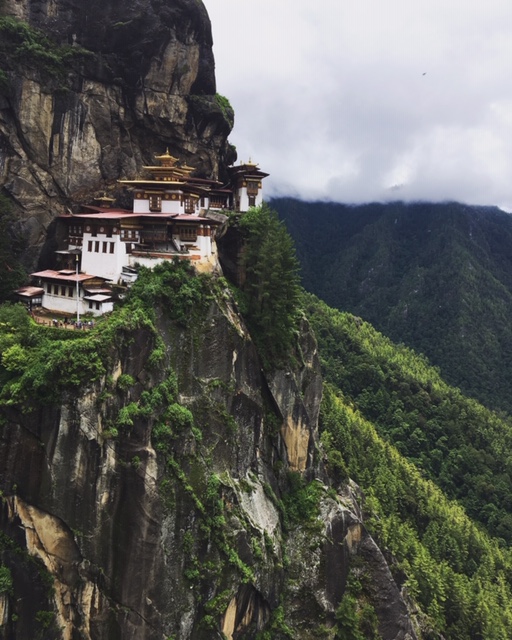
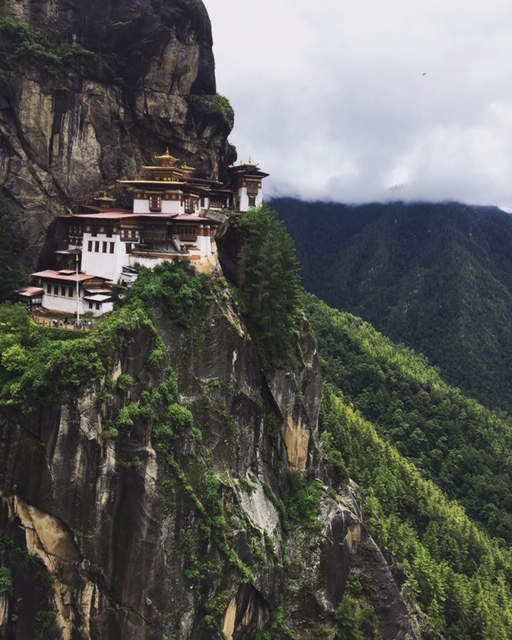
No trip to Bhutan is complete without a hike to the iconic Tiger's Nest Monastery, or Paro Taktsang. Perched precariously on a cliffside, over 3,000 feet above the Paro Valley, this sacred site is a testament to human faith and architectural ingenuity. The trek is challenging, a steep climb through pine forests adorned with colorful prayer flags. The air thinned with each upward step, testing my physical endurance.
But the physical struggle paled in comparison to the spiritual significance of the journey. Along the way, I encountered fellow pilgrims whispering mantras, their faces radiating devotion. The Tiger’s Nest Monastery Hike Bhutan is more than just a physical activity; it’s a spiritual experience. Reaching the monastery was an emotional moment. Inside, the scent of incense filled the air, and monks chanted ancient prayers. The panoramic views from the cliffside were simply awe-inspiring.
Booking permits for Tiger’s Nest hike independently
Independent travellers should be aware that permits may be required, depending on circumstances, and may be arranged with tour operators.
Punakha Dzong: A Masterpiece of Bhutanese Architecture
Punakha Dzong, the "Palace of Great Happiness," is another architectural marvel that showcases the grandeur of Bhutanese craftsmanship. Located at the confluence of the Pho Chhu (father) and Mo Chhu (mother) rivers, this fortress monastery is a sight to behold. Its intricate woodwork, vibrant murals, and imposing towers left me in awe. Punakha Dzong holds immense historical importance, having served as the capital of Bhutan until 1955. Our guide shared fascinating stories about its role in Bhutanese history, from coronations to battles.
Authentic Bhutanese Experiences: Archery and Cuisine
To truly immerse myself in Bhutanese culture, I wanted to experience everyday life. This meant trying my hand at Bhutanese archery, the national sport. The Bhutanese Archery Culture is taken seriously! Watching the archers in their traditional attire, I was captivated by their skill and precision. When it was my turn, however, my arrows landed nowhere near the target, much to the amusement (and encouragement) of the locals. Despite my lack of talent, it was a memorable experience that connected me to the heart of Bhutanese tradition.
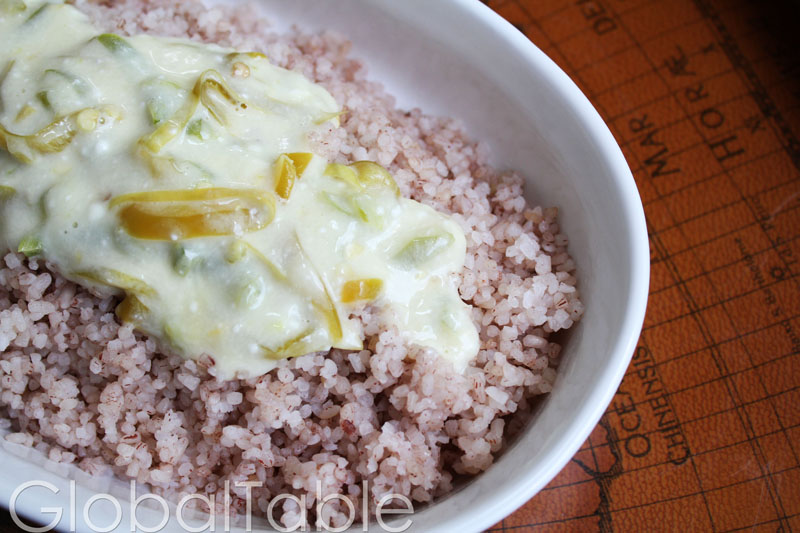
Of course, no cultural immersion is complete without sampling the local cuisine. Bhutanese food is known for its bold flavors, particularly its love of chilies. Ema Datshi, the national dish, is a fiery stew made with chilies and cheese. While the spice level took some getting used to, I quickly developed a taste for its unique flavor. Momos, or dumplings, were another staple, and I enjoyed trying different variations filled with meat, cheese, or vegetables. Red rice accompanied almost every meal, providing a nutritious and earthy base. Some other delicacies to try on your first trip would be Phaksha Paa (Pork Stew with Radishes and Chilies) and Jasha Maru (Spicy Chicken Stew).
The Enchanting Bhutanese Landscape
The beauty of Bhutan extends far beyond its architectural wonders. The landscape is a tapestry of lush green valleys, dense forests, and snow-capped mountains. Hiking through the trails, I was struck by the rich biodiversity. Towering rhododendrons painted the hillsides with vibrant colors, and I even spotted the elusive blue poppy, Bhutan's national flower. The flora and fauna were a constant reminder of the country's commitment to preserving its natural heritage.
Ecotourism in Bhutan Initiatives: A Nation Committed to Sustainability
Bhutan's commitment to sustainability is truly inspiring. The concept of Gross National Happiness (GNH) guides the country's policies, prioritizing the well-being of its people and the preservation of its environment over purely economic growth. Bhutan is one of the few carbon-negative countries in the world, absorbing more carbon dioxide than it emits. Ecotourism in Bhutan Initiatives are at the forefront of their sustainable practices.
Why is Bhutan carbon negative?
This is achieved through a combination of factors, including its vast forest cover, reliance on hydropower, and responsible tourism policies. One example of eco-tourism I witnessed was the use of solar energy panels. Many communities also benefited from community-based tourism projects, where locals run guesthouses and offer guided tours, ensuring that tourism revenue directly benefits the local economy. Supporting local businesses helps to ensure money stays in the local economy.
Ethical Considerations When Traveling to Bhutan
As tourism to Bhutan increases, it's crucial to consider its impact on the country's unique culture and environment. As travellers, we have a responsibility to minimize our negative footprint and support sustainable practices. Ethical considerations when traveling to Bhutan are of utmost importance.
Here are some tips for responsible travel:
- Respect local customs: Dress modestly, especially when visiting religious sites.
- Minimize plastic use: Bring a reusable water bottle and avoid single-use plastics.
- Support local businesses: Shop at local markets and eat at family-run restaurants.
- Ask before taking photos: Be mindful of people's privacy and avoid intrusive photography, especially at religious sites. Instead of taking photos, take a moment to engage respectfully with the monks.
- Choose eco-friendly accommodations: Opt for hotels and guesthouses that prioritize sustainability.
- Consider offsetting your carbon footprint: Contribute to carbon offsetting programs to mitigate the environmental impact of your travel.
Bhutan Gross National Happiness Tourism: A New Perspective on Happiness
My trip to Bhutan was more than just a vacation; it was a transformative experience. I witnessed a society that prioritizes well-being over material wealth, a culture that values tradition and spirituality, and a nation that is deeply committed to protecting its natural environment.
Bhutan's Gross National Happiness Tourism approach offers a unique lens through which to view our own lives. It challenged me to reconsider my priorities and to appreciate the simple things in life. I left Bhutan with a renewed sense of hope and a deeper understanding of what it truly means to be happy. I encourage everyone to visit Bhutan responsibly and experience the magic of this extraordinary kingdom. It’s a journey that will stay with you long after you return home.
Consider exploring authentic homestays in Bhutan with cultural immersion to further enrich your experience.