Discovering Amazonian Healing: An Ethnobotanical...
As a botanist specializing in ethnobotany, I’ve dedicated my life to understanding the intricate relationship between plants and people, particularly within indigenous communities. My recent five-day stay at Inkaterra Hacienda Concepción in the Peruvian Amazon was nothing short of transformative. It provided a rare opportunity to witness firsthand the resort's commitment to medicinal plant conservation and its respectful collaboration with the Ese Eja community, renowned for their ancestral knowledge of the rainforest. This wasn’t just a vacation; it was an immersive learning experience that reinforced the importance of sustainable practices and the invaluable wisdom held within traditional Amazonian healing. I was particularly excited to explore how the resort's efforts could potentially inform modern medicine and conservation strategies.
A Walk Through the Rainforest Pharmacy: Meeting Mateo
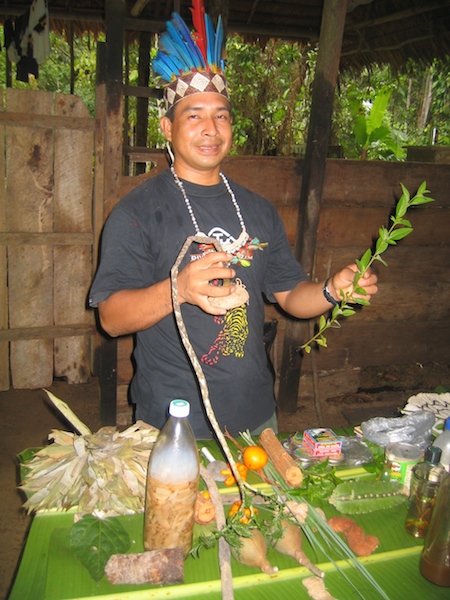
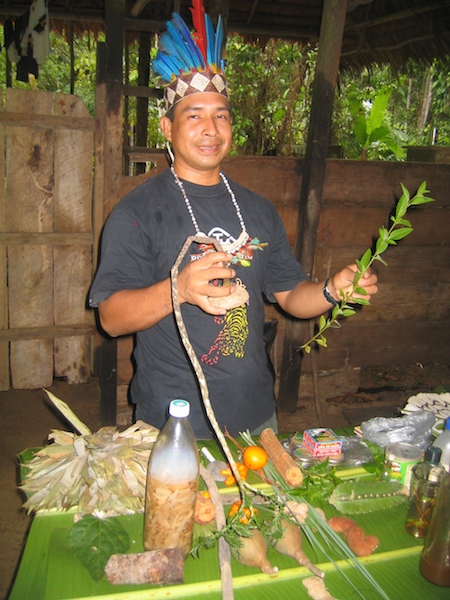
One of the highlights of my trip was a guided medicinal plant walk with Mateo, a respected shaman from the Ese Eja community. A wise and gentle man in his late 60s, Mateo’s face was adorned with traditional paint, and vibrant feathers graced his brow, each symbol telling a story of his connection to the forest. As we ventured into the lush undergrowth, Mateo’s deep knowledge and reverence for the plants became immediately apparent. He didn't just identify them; he shared their stories, their spirits, and their traditional uses with a profound sense of respect. He explained to me that these plants are not just resources, but living entities deserving of our care and protection.
Exploring Key Medicinal Plants
During our walk, Mateo introduced me to several plants pivotal to Ese Eja healing practices.
- Uña de Gato (Cat's Claw): Mateo explained that Uña de Gato, known for its distinctive claw-like thorns, is a powerful immune booster and anti-inflammatory agent. The Ese Eja traditionally use it to treat a variety of ailments, from arthritis to digestive issues. He showed me how to identify the specific species with the highest medicinal properties.
- Sangre de Grado (Dragon's Blood): This remarkable tree secretes a deep red resin when cut, hence its name. Mateo demonstrated its use as a potent antiseptic and wound healer. He emphasized its effectiveness in stopping bleeding and preventing infection, sharing stories of its use in treating everything from insect bites to more serious injuries. Sangre de Grado is an essential part of the Amazonian pharmacopeia.
- Ayahuasca: Mateo touched briefly on Ayahuasca, acknowledging its spiritual significance and traditional use in shamanic ceremonies. Inkaterra Hacienda Concepción emphasizes a responsible and ethical approach to Ayahuasca tourism, ensuring that ceremonies are conducted with respect and sensitivity, and only by experienced shamans. The focus is on cultural understanding and personal growth, rather than recreational use.
- Chuchuhuasi: He also introduced me to Chuchuhuasi, a tree known for its bark's pain-relieving and aphrodisiac properties. The Ese Eja use it to treat back pain, muscle aches, and even as a tonic to enhance vitality. Mateo explained that its effects are both physical and spiritual, helping to restore balance and harmony within the body.
Crafting a Traditional Remedy: Sangre de Grado in Action
During our walk, I sustained a minor cut on my hand. Mateo immediately reached for his machete, carefully made a small incision on a Sangre de Grado tree, and collected the crimson resin.
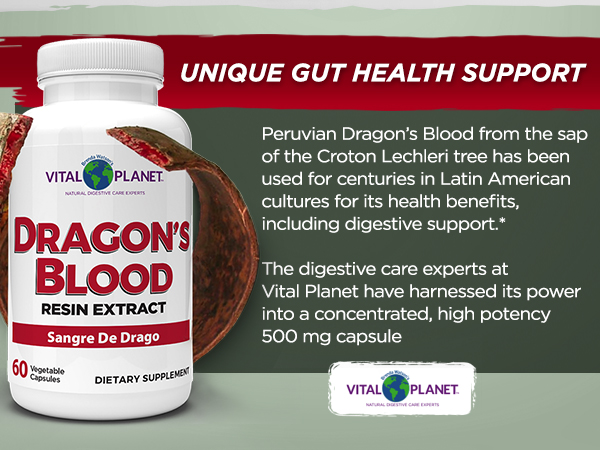
He explained that the process involves making a shallow cut in the bark to encourage the flow of the resin, being careful not to harm the tree. He then gently applied the resin to my cut. The stinging sensation quickly subsided, and within moments, a protective seal formed over the wound. It was a powerful demonstration of the plant's healing properties and Mateo's skill in utilizing it. This hands-on experience brought my academic knowledge to life in a very tangible way.
A Glimpse into Ese Eja Traditions: The Spirit of the Plants
I also had the opportunity to attend a simplified shamanic ceremony, conducted with utmost respect and sensitivity. It wasn't a full-fledged healing ritual, but rather an educational experience designed to share the cultural significance of medicinal plants in Ese Eja traditions. The ceremony involved chanting and songs used to connect with the spirits of the plants, seeking their guidance and blessings. Mateo explained that each plant has its own unique energy and spirit, and that communication with these spirits is essential for effective healing. The experience was deeply moving, providing a glimpse into the profound spiritual connection the Ese Eja have with the rainforest.
Sustainable Practices: A Partnership for the Future
Inkaterra Hacienda Concepción's commitment to sustainability extends beyond environmental conservation. Their partnership with the Ese Eja community is a shining example of how tourism can be a force for good. The resort actively supports the community by cultivating and sustainably harvesting medicinal plants in agroforestry plots. This ensures a fair trade system, preserving ancestral knowledge and providing economic opportunities for the community.
The resort’s transparent supply chain ensures that the Ese Eja community receives fair prices for their expertise and plant materials, empowering them to maintain their traditions and protect their rainforest ecosystem. It was inspiring to see how the resort prioritized the community's well-being, actively listening to their needs and incorporating their knowledge into their operations.

Sloth and Cecropia Symbiosis Viral Video Concept
Imagine a scene in the Amazon: golden hour lighting paints warm shadows as a three-toed sloth, usually known for its leisurely pace, suddenly moves at surprising speed. We get a cinematic 4K close-up as it clings to a Cecropia tree, reaching for a leaf in slow motion. Unexpectedly, the camera's perspective shifts to a local shaman explaining that Cecropia leaves are crucial for the sloth's digestion. But here’s the twist: he reveals that the bark is also a vital ingredient in traditional Ese Eja medicine, used to treat respiratory ailments. This symbiotic relationship, captured in stunning detail, is a testament to the interconnectedness of life in the Amazon rainforest.
A Final Word from Dr. Isabella Rossi
My experience at Inkaterra Hacienda Concepción was more than just a trip; it was an immersion into a world where traditional knowledge and sustainable practices intertwine to create a harmonious future. Witnessing the Ese Eja community's deep connection with the rainforest and their commitment to preserving its medicinal treasures was truly inspiring. I left with a renewed sense of purpose, determined to continue advocating for the integration of traditional Amazonian healing practices into modern medicine and conservation efforts. Vistalocation.com, by highlighting such authentic and sustainable travel experiences, plays a crucial role in promoting responsible tourism and preserving the cultural and natural heritage of the Amazon.
To learn more about Inkaterra Hacienda Concepción and book your own transformative journey, visit vistalocation.com.
Disclaimer: This blog post is based on the personal experience of Dr. Isabella Rossi and is intended for informational purposes only. It is not a substitute for professional medical advice. Always consult with a qualified healthcare provider for any health concerns or before making any decisions related to your health or treatment.