Discover Unique and Relaxing Beaches: A Family G...
Looking for a vacation that's both relaxing and educational? VistaLocation.com is your guide to beaches where you can unwind, explore fascinating intertidal ecosystems, and contribute to real scientific research with your family. Forget just building sandcastles – dive into citizen science projects, learn about marine life, and make a positive impact on our oceans! This guide highlights unique beach destinations and exciting opportunities for families to learn, explore, and give back through data collection and conservation efforts.
I. Pfeiffer Beach, Big Sur, California: Exploring the Rocky Intertidal Zone
Pfeiffer Beach, nestled along the dramatic Big Sur coastline, isn't just a pretty picture; it's a living laboratory showcasing the wonders of the rocky intertidal zone. Here, you can observe biotic zonation, the distinct banding of life determined by tidal height and wave exposure. Learn how different species have adapted to survive in this dynamic environment. Discover keystone species and their crucial roles in maintaining the balance of this delicate ecosystem, witnessing firsthand the power of trophic cascades.
Specific Species: Aggregating and Giant Green Anemones
Two anemone species dominate the intertidal landscape at Pfeiffer Beach: Anthopleura elegantissima (aggregating anemone) and Anthopleura xanthogrammica (giant green anemone). The Anthopleura elegantissima form dense colonies, protecting themselves from desiccation and wave action. The solitary Anthopleura xanthogrammica, much larger and a vibrant green due to symbiotic algae, stakes its claim in more sheltered spots.
Learning Objectives:
- Identify and compare the ecological roles of Anthopleura elegantissima and Anthopleura xanthogrammica in the rocky intertidal zone.
- Explain how biotic zonation is influenced by tidal height and wave exposure.
- Describe the concept of a keystone species and its potential impact on the intertidal ecosystem.
Citizen Science Opportunity: Adventures With Scientists
Participate in the "Adventures With Scientists" citizen science vacation package focused on intertidal zone biodiversity assessment along the Big Sur coastline. Their hands-on approach makes learning fun and impactful. [Adventures With Scientists](hypothetical link) offers a unique experience combining education and exploration.
Data Collection with iNaturalist
Use the iNaturalist app to photograph and identify intertidal organisms at Pfeiffer Beach.
- Photograph: Capture clear images of each organism.
- Identify: Use iNaturalist's image recognition tool or community expertise to identify the species.
- Record: Note the location (latitude/longitude) and approximate tidal height for each observation. Document any observed interactions between species (e.g., predation, competition).
Post-Trip Activity: Species Distribution Mapping
Analyze the iNaturalist data to create a species distribution map of Pfeiffer Beach's intertidal zone. Compare the species composition at different tidal heights and discuss the factors influencing their distribution. Submit your findings to "Adventures With Scientists."
Expert Insight
"The intertidal zone at Pfeiffer Beach is a microcosm of the larger Pacific ecosystem. Studying these seemingly simple communities can reveal important insights into the impacts of climate change and pollution," - Dr. Marine Biologist, Adventures With Scientists.
Responsible Tourism Guidelines
- Avoid stepping on or touching marine life.
- Stay on designated trails and rocks.
- Do not collect or remove any organisms.
- Pack out all trash.
- Use reef-safe sunscreen.
II. Ko Olina Lagoons, Oahu, Hawaii: Exploring Artificial Reef Ecosystems
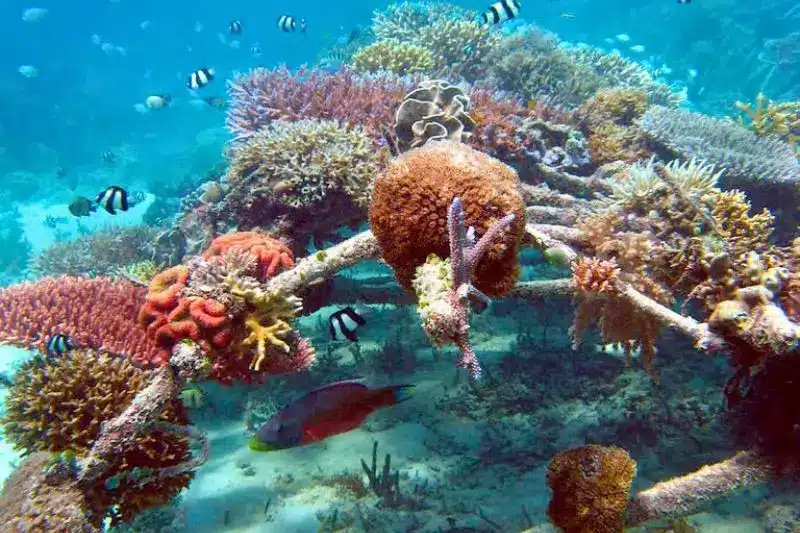
The Ko Olina Lagoons on Oahu offer a unique opportunity to explore artificial reef ecosystems. These man-made structures provide habitat for a variety of marine life. Focus your exploration on the Aulani resort's artificial reef structure, a thriving underwater community.
Learning Objectives:
- Identify common fish and invertebrate species inhabiting the artificial reef.
- Compare the biodiversity of the artificial reef to that of natural reefs in Hawaii.
- Evaluate the effectiveness of artificial reefs in promoting marine life.
Citizen Science Opportunity: Ko Olina Artificial Reef Survey
Create a digital field guide using iNaturalist to identify and track fish and invertebrate species specifically around the Aulani resort's artificial reef structure. Contribute to our understanding of these important ecosystems.
Data Collection
- Underwater Photography: Take underwater photographs of fish and invertebrates.
- Record Details: Record their species, size, and behavior. Note the type of substrate (e.g., coral, rock, sand) they are associated with.
- Submit Observations: Submit observations to the iNaturalist project: "Ko Olina Artificial Reef Survey".
Post-Trip Activity: Reporting Your Findings
Analyze the iNaturalist data to determine the most common species found on the reef. Compare the species richness and abundance to data from natural reefs in the area. Write a report summarizing your findings and submit it to the Aulani resort's environmental education program.
Expert Insight
"Artificial reefs can provide habitat for marine life in areas where natural reefs are degraded or absent. However, it's important to carefully design and manage these structures to ensure they are truly beneficial to the ecosystem," - Coral Reef Restoration Specialist, Oceanic Institute.
Responsible Tourism Guidelines
- Avoid touching or disturbing the reef structure.
- Do not feed the fish.
- Use reef-safe sunscreen.
- Respect the privacy of other snorkelers and divers.
III. Shell Beach, St. Barths: Discovering Biomineralization and Shell Identification
Shell Beach in St. Barths is a unique coastal environment dominated by countless shells. Here, families can explore the fascinating process of biomineralization and learn to identify different shell species.
Specific Species: Tellins and Calico Scallops
Two common types of shells found on Shell Beach are Tellins and Calico Scallops. Identify these beautiful shells by their unique shapes, colors, and patterns.
Learning Objectives:
- Describe the process of biomineralization and the role of calcium carbonate and conchiolin in shell formation.
- Identify common shell species found on Shell Beach, using morphological characteristics.
- Explain the ecological significance of shells as habitat and shelter for marine organisms.
Educational Resource
Use this resource from the Muséum National d'Histoire Naturelle in Paris about shell identification in the Caribbean to help you identify your shell findings: [Muséum National d'Histoire Naturelle](hypothetical link).
Data Collection
- Shell Collection: Collect a variety of shells from the beach. Only collect empty shells.
- Measurements: Measure their length, width, and thickness.
- Photograph and Identify: Photograph each shell and note its color, texture, and ornamentation. Use the provided educational resource to identify the species.
Post-Trip Activity: Creating a Shell Collection Display
Create a shell collection display, organizing the shells by species. Write a short description of each species, including its habitat, diet, and ecological role. Share the display with friends and family to educate them about marine biodiversity.
Expert Insight
"Shells are more than just beautiful souvenirs; they are records of the ocean's health and the diversity of life it supports. By studying shells, we can learn about the past and present conditions of our marine ecosystems," - Malacologist, Muséum National d'Histoire Naturelle.
Responsible Tourism Guidelines
- Only collect empty shells that are no longer inhabited by living organisms.
- Do not disturb nesting seabirds or other wildlife.
- Pack out all trash.
- Respect the natural beauty of the beach.
IV. Virgin Islands National Park, St. John: Coral Reef Conservation
Immerse yourself in the vibrant underwater world of the Virgin Islands National Park and learn about coral reef conservation. Discover the importance of these ecosystems and the threats they face.
Learning Objectives:
- Describe the structure and function of coral reefs.
- Identify common coral species found in the Virgin Islands National Park.
- Explain the threats facing coral reefs, such as climate change, pollution, and overfishing.
Citizen Science Opportunity: Coral Reef Discovery Dive Program
Participate in the Virgin Islands National Park's Coral Reef Discovery Dive program. Learn from experts and contribute to ongoing conservation efforts.
Data Collection
During the dive, observe and record the health of coral reefs.
- Observe and Record: Note any signs of bleaching, disease, or damage.
- Photograph: Photograph any interesting or unusual organisms.
Post-Trip Activity: Raising Awareness
Create a presentation summarizing your experiences and findings from the dive. Share the presentation with friends, family, and classmates to raise awareness about the importance of coral reef conservation.
Coral Reef Pledge
"I pledge to protect coral reefs by reducing my carbon footprint, using reef-safe sunscreen, and respecting marine life."
Expert Insight
"Coral reefs are the rainforests of the sea, providing habitat for countless species and supporting human livelihoods. It's our responsibility to protect these vital ecosystems for future generations," - Park Ranger, Virgin Islands National Park.
Responsible Tourism Guidelines
- Avoid touching or kicking coral.
- Maintain neutral buoyancy to prevent damaging the reef.
- Do not collect or remove any organisms.
- Follow the instructions of the dive guides.
V. Microplastic Collection Project (Applies to all locations): Combating Pollution
Microplastic pollution is a global threat to marine ecosystems. Participate in a DIY microplastic trawl project at any beach you visit to help collect valuable data.
Data Collection
- Microplastic Trawl: Conduct a DIY microplastic trawl project using a plankton net and instructions from The 5 Gyres Institute ([The 5 Gyres Institute](hypothetical link)). Target microfibers specifically.
- Sample Collection: Collect samples at each beach.
- Filter and Examine: Filter the water through the net and examine the collected material under a microscope or magnifying glass. Count the number of microplastics per square meter of beach.
Post-Trip Activity: Data Analysis and Sharing
Analyze the microplastic data to determine the sources and types of microplastics found at each beach. Create a data visualization (e.g., bar graph, pie chart) showing the relative abundance of different types of microplastics. Share your findings with local environmental organizations.
Expert Insight
"Microplastics are a growing threat to marine ecosystems. By collecting data on microplastic pollution, we can help to identify the sources of this pollution and develop solutions to reduce its impact," - Microplastic Researcher, The 5 Gyres Institute.
Viral Video: Intertidal Exploration with a Twist
Imagine this: Slow-motion shot of a vibrant Anthopleura xanthogrammica (giant green anemone) pulsating in a tide pool, filmed with a GoPro POV. Suddenly, a tiny clownfish peeks out from inside!
Then, cinematic 4K footage, shot at golden hour, focusing on the rich colors and textures of intertidal life. Dramatic close-ups, orbit shots around tide pools, and slow-motion footage of waves crashing.
Here's the twist: A child, initially reaching to touch the anemone, pauses, pulls back their hand, and instead uses an iNaturalist app to photograph it, adding the data to the citizen science project. Voiceover: "Discover the magic of the coast...responsibly."
This video combines surprise, clarity, emotion, and stunning visuals to capture the essence of responsible intertidal exploration. Remember to Leave No Trace. Respect Marine Life. Use Reef-Safe Sunscreen.
Conclusion: Your Adventure Awaits
VistaLocation.com encourages you to embark on a unique vacation combining relaxation, exploration, and citizen science. By participating in these activities, you can learn about marine ecosystems, contribute to scientific research, and make a positive impact on the environment. Start planning your unforgettable family adventure today! Discover the magic of responsible tide pool exploration, and book your next citizen science vacation now!