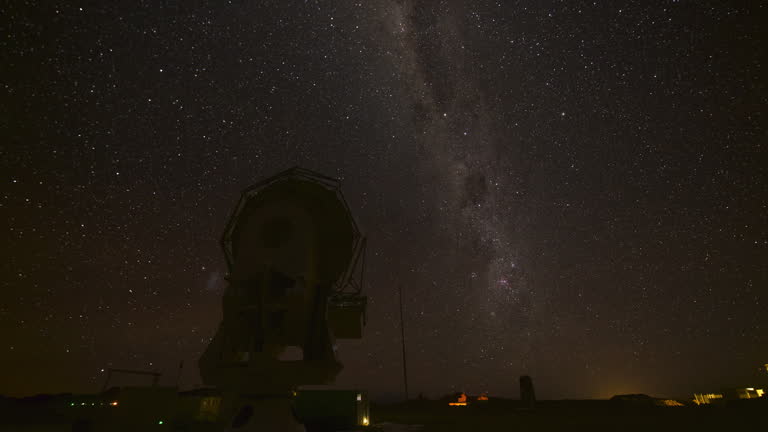
Discover the Unparalleled Astrotourism of the At...
As a 28-year-old astrophysicist and amateur astrophotographer from Santiago, Chile, I've always been captivated by the night sky. This passion, ignited by my grandfather who worked at a small observatory in the Andes, has driven me to seek out the darkest, clearest skies on Earth. My recent journey to the Atacama Desert was nothing short of transformative, and I'm thrilled to share my experience with you. My primary goal was to capture stunning images of the night sky and learn more about the Atacama's unique conditions for astronomical observation, and I booked the entire trip through Vistalocation. If you're seeking an unforgettable astrotourism experience, the Atacama should be at the top of your list, and Vistalocation is the perfect partner to make it happen.
Vistalocation: Your Gateway to the Cosmos
Vistalocation made planning my Atacama adventure incredibly easy. I found a specialized astrophotography tour led by guides affiliated with the ALMA observatory (Vistalocation has a partnership with ALMA!), which was an absolute dream come true. I also discovered a charming eco-lodge near San Pedro de Atacama with dark-sky-friendly lighting called "Atacama Star Camp." Booking everything through one platform simplified the entire process, allowing me to focus on what truly mattered: the stars.
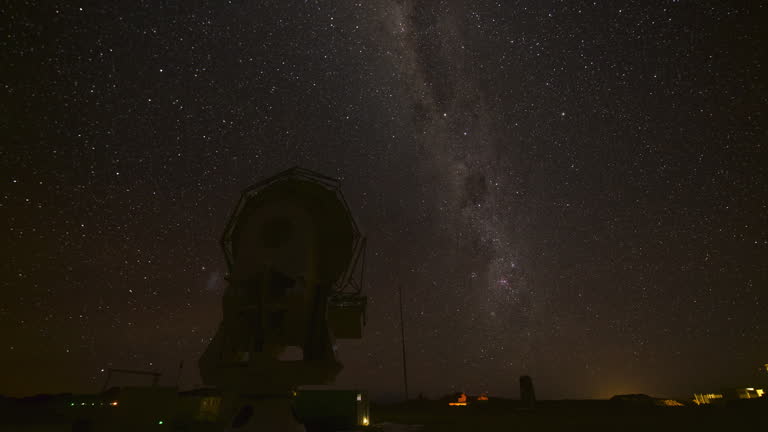
This image showcases the stunning clarity of the Atacama Desert night sky, emphasizing the Milky Way stretching across the horizon. It highlights the exceptional conditions for astrophotography that Sofia experienced, capturing the galaxy's vibrant colors and intricate details.
Immersed in the Atacama Desert Stargazing Festival
My trip coincided with the annual "Atacama Desert Stargazing Festival" in San Pedro de Atacama, an event I highly recommend to any aspiring astrophotographer or astronomy enthusiast. The festival provided an incredible opportunity to learn from experts and connect with fellow stargazers.
Insights from Dr. Maria Rodriguez
The opening lecture by Dr. Maria Rodriguez, a Chilean astronomer specializing in exoplanets, was captivating. Her passion for uncovering new worlds was infectious, and her insights into the search for life beyond Earth provided a profound perspective on our place in the universe.
Mastering Deep-Sky Imaging
I also attended a workshop on using portable telescopes for deep-sky imaging. The instructors were incredibly knowledgeable, and I learned a great deal about using a Celestron NexStar telescope to capture stunning images of nebulae and galaxies. It was invaluable to learn from experienced astrophotographers and refine my techniques.
What equipment do I need for astrophotography in the Atacama?
The basic equipment you'll need includes a DSLR or mirrorless camera, a wide-angle lens with a low f-number (f/2.8 or lower is ideal), a sturdy tripod, and a remote shutter release. For more advanced imaging, consider a star tracker or equatorial mount.
Daytime Explorations: From Geysers to Moonscapes
The Atacama isn't just about the night sky. The daytime landscapes are equally breathtaking.
El Tatio Geysers: A Sunrise Spectacle
One morning, I ventured to the El Tatio geysers at sunrise. The contrast between the extreme geothermal activity and the cold, clear desert air was surreal. Plumes of steam erupted against the backdrop of the Andes Mountains, creating a truly unforgettable experience.
Valle de la Luna: An Astrophotographer's Dream
The Valle de la Luna (Moon Valley) is a must-see for any astrophotographer. I participated in an astrophotography workshop there, where we learned how to use the unique geological formations of the valley to frame celestial objects in our images. The otherworldly landscape provided stunning foregrounds for capturing the Milky Way and other deep-sky objects. I was able to set up my Sony a7III camera with a wide-angle lens, and capture some incredible images.
Where can I take amazing astrophotos in the Atacama Desert?
Besides Valle de la Luna, other excellent locations include the ALMA Observatory's surroundings (with permission), the desert plains near San Pedro de Atacama, and the higher-altitude areas further away from towns.
A Culinary Journey Through the Atacama
The Atacama's cuisine is as unique as its landscapes, with strong influences from indigenous cultures.
Rica-Rica Infusion at Baires Restaurant
At Baires Restaurant in San Pedro, I savored a rica-rica-infused lamb dish. The rica-rica herb, native to the Atacama, gave the lamb a distinctive earthy and slightly minty flavor that was absolutely delicious.
Chañar Flavored Delight
I also indulged in a tasting of chañar flavored ice cream from a local street vendor. The chañar fruit, similar to carob, added a subtle sweetness and caramel-like flavor to the ice cream.
A Stellar Wine Pairing
One evening, I paired my dinner with a Syrah from Viña Falernia, a high-altitude vineyard in the Elqui Valley. The wine's rich, dark fruit flavors and smoky notes perfectly complemented the local cuisine. I highly recommend experiencing the flavors of the region, too!
What kind of food do people eat on astrotourism tours in the Atacama?
Expect traditional Chilean cuisine with a focus on local ingredients, such as quinoa, corn, and various meats. Many tours offer vegetarian and vegan options as well.
The Science Behind the Stars: Why Atacama?
The Atacama Desert is considered the best place on Earth for stargazing due to a unique combination of factors.
High Altitude, Low Interference
Its high altitude means there's less atmosphere to interfere with observations. The thinner atmosphere reduces the amount of light scattering and absorption, resulting in clearer images.
Extremely Dry Air, Minimal Cloud Cover
The extremely dry air minimizes cloud cover. The Atacama is one of the driest places on Earth, with some areas receiving only a few millimeters of rainfall per year. This guarantees hundreds of clear nights for observing the cosmos.
Absence of Light Pollution
The lack of light pollution is crucial. Far from major cities, the Atacama's dark skies allow for fainter objects to be seen.
ALMA: A Window to the Universe
The Atacama Large Millimeter/submillimeter Array (ALMA) is located here for these very reasons. ALMA is a state-of-the-art telescope that studies the universe at millimeter and submillimeter wavelengths, allowing astronomers to observe the cold, dark regions of space where stars and planets are born.
Why is the Atacama Desert good for stargazing?
The Atacama Desert's high altitude, extremely dry air, and lack of light pollution create unparalleled conditions for astronomical observation. The thin atmosphere, minimal cloud cover, and dark skies reveal the cosmos with exceptional clarity.
Book Your Atacama Adventure with Vistalocation
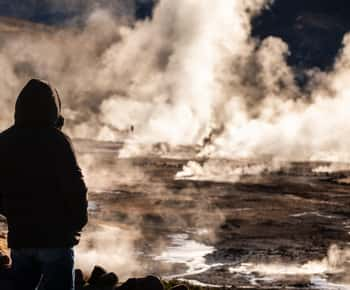
This image showcases the Milky Way arching over the Atacama Desert's unique landscape. The long exposure captures the faint details of the galaxy, highlighting the exceptional conditions for night sky photography. The foreground textures of the desert add depth and context to the vastness of the cosmic view.
My experience in the Atacama Desert was truly transformative, connecting me with the cosmos in a way I never thought possible. If you're dreaming of your own astrotourism adventure, I highly recommend booking through Vistalocation. Their curated selection of Atacama experiences, partnership with ALMA, and commitment to sustainable tourism practices make them the ideal partner for exploring one of the darkest and most magical places on Earth.
Vistalocation offers a range of options, from guided tours of ALMA to stays at dark-sky-friendly accommodations like Atacama Star Camp. They also prioritize sustainable tourism, ensuring that your visit contributes to the preservation of this incredible environment.
So, what are you waiting for? Book your Atacama astrotourism experience with Vistalocation today and prepare to be amazed!