Discover the Magic: Bioluminescent Kayaking and...
Imagine gliding through water that shimmers with an otherworldly glow, a living constellation beneath your kayak. Bioluminescence, a natural phenomenon where living organisms produce light, transforms bodies of water into breathtaking spectacles. For adventure travelers seeking unique and eco-conscious experiences, bioluminescent kayaking and night diving offer unforgettable encounters with nature's artistry. Join us as we explore three extraordinary locations: Mosquito Bay in Puerto Rico, Luminous Lagoon in Jamaica, and Halong Bay in Vietnam, and discover how you can experience these wonders responsibly.
Mosquito Bay, Puerto Rico: The Brightest Bioluminescent Bay in the World
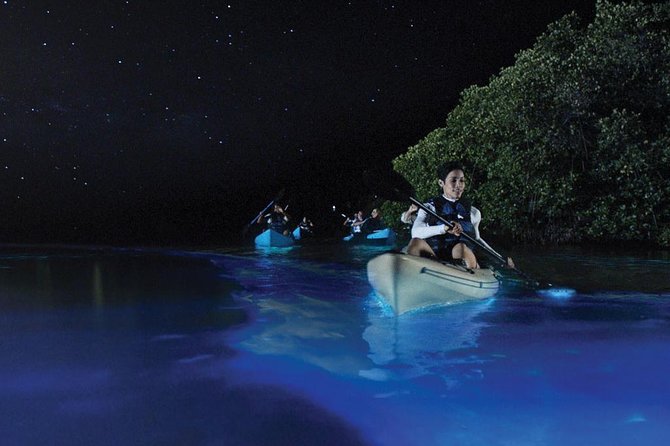
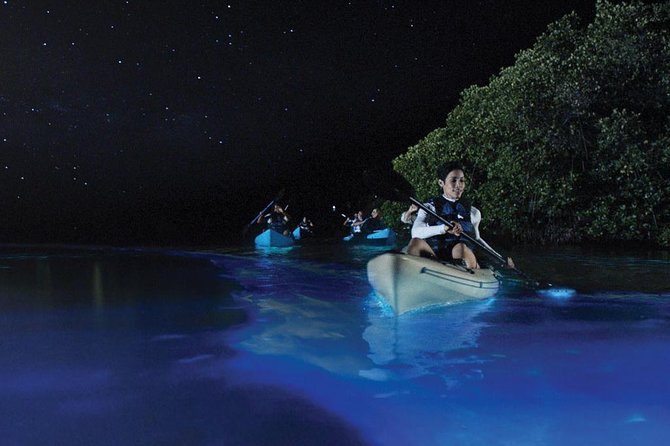
Vieques, Puerto Rico, is home to Mosquito Bay, widely recognized as the brightest bioluminescent bay on Earth. The intense glow is caused by an incredibly high concentration of dinoflagellates, microscopic marine organisms that emit light when disturbed. Kayaking through these waters on a moonless night is an experience unlike any other, as every paddle stroke creates a dazzling display of blue-green light.
Optimal Viewing Times and Permit Requirements
The best time to witness the magic of Mosquito Bay is during the new moon phase, when the sky is at its darkest. Tours operate year-round, but visibility is significantly reduced during full moon periods. Permits are required to enter the bay, and access is strictly controlled to protect the delicate ecosystem. Booking a tour with a certified operator is the easiest and most responsible way to experience Mosquito Bay.
Sustainable Tour Operators in Mosquito Bay
Several local tour operators are committed to sustainable practices, ensuring that your visit has minimal impact on the environment. Look for companies that use clear-bottom kayaks, such as the Sea Eagle 350fx or the Driftsun Voyager, which enhance the viewing experience without disturbing the water. They also provide education on the importance of protecting the bay and adhere to strict lighting protocols.
Sustainable Glamping and Eco-Lodge Options near Mosquito Bay
Instead of traditional hotels, consider staying at sustainable glamping sites or eco-lodges near Mosquito Bay. These accommodations often prioritize conservation efforts, use renewable energy, and offer immersive nature experiences. Options include Finca Victoria, a sustainable guesthouse focusing on permaculture principles.
Luminous Lagoon, Jamaica: A Caribbean Gem
Located near Falmouth, Jamaica, the Luminous Lagoon is another spectacular bioluminescent site. While not as intensely bright as Mosquito Bay, the lagoon offers a unique and accessible experience. The bioluminescence here is also caused by dinoflagellates, which thrive in the lagoon's warm, brackish waters. Swimming in the Luminous Lagoon is a popular activity, allowing you to become part of the glowing spectacle.
Best Times for Nighttime Glow and Local Regulations
Like Mosquito Bay, the Luminous Lagoon is best viewed during the new moon. Tours typically depart in the evening, allowing visitors to witness the lagoon's transformation as darkness falls. Regulations are in place to limit boat traffic and prevent pollution, ensuring the long-term health of the ecosystem.
Responsible Night Diving and Kayaking in Luminous Lagoon
Choose tour operators who prioritize responsible tourism. They should use low-impact boats, avoid anchoring in sensitive areas, and educate guests about the importance of protecting the lagoon. Some companies offer nighttime snorkeling and diving experiences, providing an even closer look at the bioluminescent organisms.
Eco-Lodges near Luminous Lagoon Jamaica with Sustainable Practices
Enhance your eco-conscious adventure by staying at an eco-lodge in the vicinity of the Luminous Lagoon. These lodges offer a perfect blend of comfort and environmental responsibility. Consider options like Good Hope Villas, offering luxurious accommodations, committed to sustainability with eco-friendly practices.
Halong Bay, Vietnam: A UNESCO World Heritage Site with Bioluminescent Secrets
Halong Bay, a UNESCO World Heritage Site, is renowned for its stunning limestone karsts and emerald waters. While not as widely known for bioluminescence as Mosquito Bay or Luminous Lagoon, certain areas of Halong Bay exhibit this phenomenon, particularly during specific times of the year. Exploring these hidden gems by kayak offers a truly magical experience.
Halong Bay Bioluminescence Season
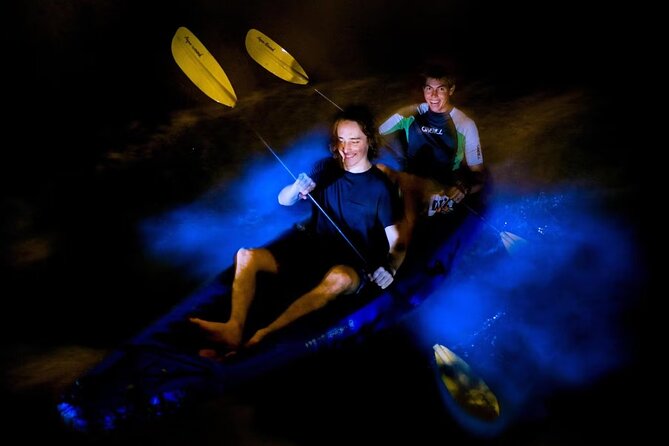
The best time to witness bioluminescence in Halong Bay is typically during the late spring and summer months (April to August), particularly around the new moon. While the intensity may vary depending on environmental conditions, kayaking through the calm waters under a starlit sky, surrounded by the gentle glow of bioluminescence, is an unforgettable experience.
Kayak Tour Permits and Sustainable Exploration
Before embarking on a kayak tour in Halong Bay, ensure that your operator has the necessary permits and adheres to sustainable tourism practices. Choose companies that limit group sizes, avoid disturbing wildlife, and properly dispose of waste. Consider a multi-day excursion and explore the area slowly, enabling you to fully immerse in the beauty of the bay.
Eco-Friendly Halong Bay Tours
The best tours will be eco-friendly, by ensuring the following:
- Using sustainable tour boats that follow regulations and minimize environmental impact.
- Supporting local communities by eating at local establishments, helping grow the local economy
- Ensuring your trash is properly discarded and you are respecting the area
Sustainable Alternatives to Traditional Hotels
Support ecotourism initiatives and choose sustainable accommodations when visiting Halong Bay. These alternatives often focus on reducing their environmental footprint. Stay on a traditional junk boat or a smaller boutique hotel that practices sustainability.
The Science of Bioluminescence: An Interview with Dr. Anya Sharma
To gain a deeper understanding of bioluminescence and its importance, we spoke with Dr. Anya Sharma, a marine biologist specializing in bioluminescence at the University of the Virgin Islands.
Q: Dr. Sharma, can you explain the science behind bioluminescence and the organisms responsible?
Dr. Sharma: "Bioluminescence is a fascinating chemical process where living organisms produce light. In most bioluminescent bays, the primary culprits are dinoflagellates, single-celled algae. They contain a chemical called luciferin, which reacts with oxygen in the presence of an enzyme called luciferase, producing light. This light is often a blue-green hue, which travels well through water."
Q: What is the impact of light pollution on bioluminescent ecosystems?
Dr. Sharma: "Light pollution poses a significant threat to these delicate ecosystems. Artificial light at night disrupts the natural behaviors of dinoflagellates, affecting their ability to feed, reproduce, and even communicate. Studies have shown that prolonged exposure to artificial light can reduce the intensity and duration of bioluminescence, ultimately diminishing the overall spectacle."
Q: What are the best practices for responsible tourism in bioluminescent bays?
Dr. Sharma: "Responsible tourism is crucial for protecting these fragile environments. Choose tour operators who use clear kayaks, enforce strict lighting protocols, and educate visitors about the importance of conservation. Avoid using any white or blue light sources near the water, as these are particularly disruptive to dinoflagellates. Red-light headlamps, like the BioLite HeadLamp 200, are a much better option. Also, refrain from touching or disturbing the water unnecessarily."
Q: What are some research initiatives aimed at mitigating light pollution in these ecosystems?
Dr. Sharma: "Several initiatives are underway to address light pollution in bioluminescent bays. These include advocating for dark sky ordinances, installing shielded lighting fixtures, and conducting research to better understand the long-term effects of artificial light on marine ecosystems. Public awareness campaigns are also essential for educating communities and visitors about the importance of preserving these natural wonders."
Gear Recommendations for Optimal Bioluminescence Viewing
To make the most of your bioluminescent adventure, consider bringing the following gear:
- Clear-Bottom Kayaks: The Sea Eagle 350fx or the Driftsun Voyager enhance the viewing experience, allowing you to see the bioluminescence beneath you without disturbing the water.
- Underwater Cameras: Capture the magic with the GoPro Hero 12 with the official GoPro underwater housing. Use specific settings for low-light photography to achieve the best results.
- Red-Light Headlamps: Minimize your impact on the bioluminescent organisms by using a BioLite HeadLamp 200. Red light is less disruptive than white or blue light.
The Dangers of Light Pollution: Protecting Bioluminescent Ecosystems
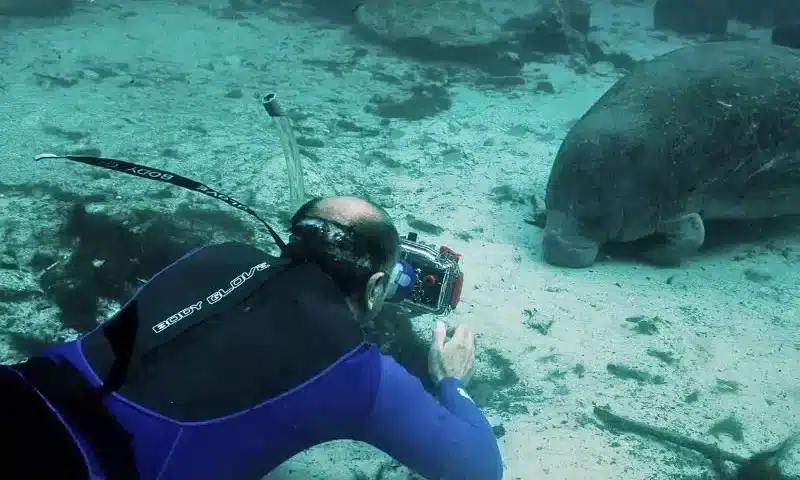
Light pollution is a growing threat to bioluminescent ecosystems around the world. Artificial light at night disrupts the natural behaviors of dinoflagellates and other marine organisms, affecting their ability to thrive.
How Light Pollution Impacts Dinoflagellate Behavior and Reproduction
Dr. Sharma explained how dinoflagellates are being impacted due to light pollution, with artificial light affecting their ability to thrive. These disruptions will ultimately lead to the diminish of the intensity of bioluminescence.
Actionable Tips for Minimizing Your Impact
Here are some actionable tips for minimizing your impact on bioluminescent ecosystems:
- Reduce Electronic Use: Limit your use of electronic devices with bright screens near bioluminescent areas.
- Use Red-Light Headlamps: When necessary, opt for red-light headlamps like the BioLite HeadLamp 200, as they are less disruptive to marine organisms.
- Advocate for Dark Sky Initiatives: Support local and national initiatives aimed at reducing light pollution.
- Turn Off Unnecessary Lights: At home and in your community, turn off lights that are not needed, especially during the night.
A Call to Action: Protect the Magic
Bioluminescent ecosystems are precious natural wonders that deserve our protection. By choosing responsible tour operators, minimizing our impact on the environment, and advocating for dark sky initiatives, we can help ensure that these magical places continue to inspire awe for generations to come. Plan your eco-conscious adventure today and witness the ethereal beauty of bioluminescence in Mosquito Bay, Luminous Lagoon, and Halong Bay. Book your sustainable adventure now at vistalocation.com.