Discover the Darkest Skies on Earth: An Astrotourism Escape in the Atacama Desert
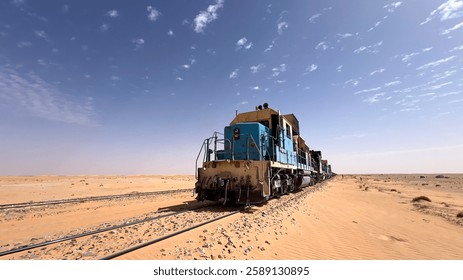
Imagine a place where the Milky Way explodes across the sky, so vibrant and clear it feels like you can reach out and touch the stars. A place where silence reigns, broken only by the whisper of the wind and the faint hum of distant observatories. This place is the Atacama Desert in Chile, and I, Javier Silva, an astronomer at the ALMA Observatory and a passionate astrophotographer, have found the perfect spot to experience its magic: a beautifully renovated, antique train car Airbnb nestled in the heart of this celestial paradise. If you're looking for Atacama Desert astrotourism, this is it. This unique experience offers unparalleled access to the darkest skies in the world, making it an unforgettable journey for anyone with a love for the cosmos. Book your cosmic escape now! [Insert Actual Airbnb Link Here]
A Train Car Under a Billion Stars: Unique Atacama Desert Accommodations
As an astronomer, I’ve been fortunate enough to witness incredible celestial phenomena from various locations. But there's something truly special about the Atacama. The high altitude, incredibly dry air, and minimal light pollution create conditions that are unmatched for astronomical observation. Combine that with the unique charm and thoughtful design of this train car Airbnb, and you have a recipe for an extraordinary experience.
This isn’t just any accommodation; it's a carefully curated space designed to enhance your stargazing experience. The owners have clearly put a great deal of thought into minimizing light pollution, a crucial factor for astrotourism. They've achieved this through the use of amber-tinted, low-wattage LED bulbs, which emit a soft, warm light that doesn't interfere with the darkness of the sky. Blackout curtains ensure that no stray light escapes from within, and the strategically placed outdoor lighting is directed downwards, illuminating pathways without polluting the night sky. This level of consideration is a testament to their commitment to preserving the darkness of the Atacama.
The Atacama Desert: A Dark Sky Sanctuary
The Atacama Desert is one of the best places on Earth to observe the night sky. But why is the Atacama Desert good for stargazing? Several factors contribute to this:
- High Altitude: At over 2,000 meters (6,500 feet) above sea level, the air is thinner, meaning there's less atmosphere to distort the light from stars.
- Aridity: The extremely dry air minimizes cloud cover and atmospheric moisture, which can scatter light.
- Remote Location: The Atacama is far from major cities, resulting in minimal light pollution.
These conditions allow us to see celestial objects with remarkable clarity. The Atacama is home to some of the world's most advanced astronomical observatories, including ALMA, where I work, and Paranal Observatory. These observatories are pushing the boundaries of our understanding of the universe, thanks in part to the pristine conditions of the Atacama night sky.
The Importance of Dark Sky Preservation
The darkness of the Atacama is a precious resource that needs to be protected. Light pollution, the excessive and misdirected artificial light, is a growing threat to astronomical observation and the natural environment. Organizations like the International Dark-Sky Association (IDA) are working to raise awareness about light pollution and promote responsible lighting practices. The Atacama is a candidate for becoming an official Dark Sky Sanctuary, which would provide further protection to its pristine night sky. Preserving Dark sky reserve Atacama is crucial for future generations of astronomers and stargazers.
My Work at ALMA and Sharing the Cosmos
Working at the Atacama Large Millimeter/submillimeter Array (ALMA) is a dream come true. ALMA is an international partnership that operates a collection of radio telescopes, allowing us to observe the universe at millimeter and submillimeter wavelengths. This allows us to study the formation of stars and galaxies, and to probe the conditions in the early universe.
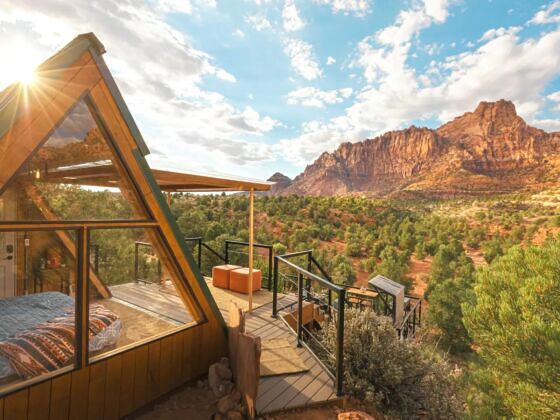
One of the most exciting projects I'm currently involved in is studying the formation of galaxies. By observing the distribution of gas and dust in distant galaxies, we can learn how these galaxies formed and evolved over billions of years. ALMA's ability to observe at millimeter wavelengths is crucial for this research, as these wavelengths are able to penetrate the dust clouds that obscure visible light.
Stargazing Tours: Sharing the Wonder
Outside of my work at ALMA, I also lead stargazing tours. It's a passion of mine to share the wonders of the night sky with others. Using my telescope, I guide people through the constellations, pointing out the Southern Cross (Crux), the Magellanic Clouds, and the Carina Nebula. Seeing the look of awe on people's faces as they witness these celestial wonders for the first time is incredibly rewarding.
Visible Constellations from this Location
From the Atacama Desert, particularly from this train car Airbnb, you can clearly see constellations that are difficult or impossible to observe from the Northern Hemisphere. Some of the most prominent include:
- The Southern Cross (Crux): A small but easily recognizable constellation that is an important navigational tool in the Southern Hemisphere.
- The Magellanic Clouds: Two irregular galaxies that are satellites of the Milky Way. They appear as faint, cloud-like patches in the sky.
- The Carina Nebula: A vast, complex nebula that is home to some of the most massive and luminous stars in our galaxy.
- What is the best time of year for stargazing in the Atacama Desert? The best time to see the Milky Way is from March to October.
Challenges of Astronomical Observation in the Desert
Observing the night sky in the Atacama Desert isn't without its challenges. The extreme temperature variations can be tough on both equipment and observers. During the day, temperatures can soar to over 30°C (86°F), while at night they can plummet below freezing. This requires specialized equipment that can withstand these temperature extremes.
What camera equipment do I need for astrophotography in the Atacama Desert?
- A DSLR or mirrorless camera with manual controls.
- A wide-angle lens with a fast aperture (f/2.8 or wider).
- A sturdy tripod.
- A remote shutter release.
- Extra batteries.
Coping with the Desert Climate
It's also important to be prepared for the dry air and high altitude. Dehydration is a common problem, so it's essential to drink plenty of water. Altitude sickness can also be an issue, especially for those who aren't used to being at high altitudes. It's important to acclimatize gradually and avoid strenuous activity in the first few days.
ALMA’s Research
ALMA continues to contribute significantly to our understanding of the universe. One of its key areas of research is studying the formation of galaxies. By observing the distribution of gas and dust in distant galaxies, astronomers are able to piece together the puzzle of how these galaxies formed and evolved over billions of years.
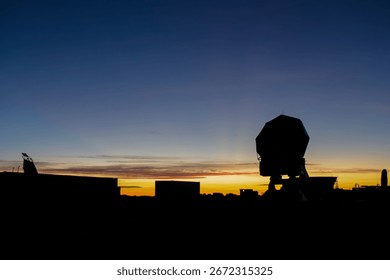
Your Cosmic Escape Awaits: Book Your Stargazing Trip
Staying in this renovated train car Airbnb in the Atacama Desert has been an incredible experience. The combination of the stunning night sky, the unique and thoughtfully designed accommodation, and the peace and quiet of the desert has been truly transformative. Rent antique train car Airbnb Atacama Desert and experience the beauty of the cosmos. If you're looking for an unforgettable astrotourism adventure, I highly recommend it. Come and experience the magic of the Atacama Desert for yourself. You might even catch me leading a stargazing tour! Book Atacama Desert train Airbnb now for an experience you will not forget!
Hyperlapse Video Script
HOOK (0-3 seconds):
(Visual): Hyperlapse of the Milky Way rapidly arcing across the inky black sky as seen through the train car window, bursting with vibrant colors. Cinematic quality, shot in 4K, showing thousands of stars. The hyperlapse should ideally be captured using a star tracker for even smoother motion.
(Audio): Whooshing sound effect, escalating in intensity.
SCENE (3-10 seconds):
(Visual): Smooth transition to a wide shot of Javier Silva inside the train car, adjusting a large Dobsonian telescope pointed towards the sky. Cinematic lighting with dramatic shadows emphasizes the telescope. Slow-motion orbit around Javier, capturing his silhouette against the star-filled sky. Amber-tinted lighting subtly illuminates the train car's interior.
(Audio): Gentle, ambient space music begins.
TWIST (10-15 seconds):
(Visual): Dramatic zoom in on the telescope's eyepiece. Instead of seeing a distant galaxy, we see a reflection of Javier's face, suddenly grinning. He winks directly at the camera, holding up a small sign that reads, "Book your cosmic escape! [Insert short link]".
(Audio): Music swells slightly, then a playful "twinkling" sound effect as Javier winks. A voiceover says, "Atacama Awaits!"