Desert Wildlife Encounters: A Conservation-Focus...
The world's deserts, often perceived as barren wastelands, teem with surprising biodiversity. From the scorching sands of the Arabian Desert to the rugged landscapes of the Sonoran and the vast expanse of the Simpson, these fragile ecosystems are home to unique and resilient wildlife. As travelers, we have a responsibility to minimize our impact and contribute to their preservation. This guide will explore ethical wildlife tourism experiences in three remarkable desert landscapes, offering you the opportunity to witness their beauty while supporting critical conservation efforts. Discover how you can practice responsible wildlife tourism and become a guardian of these often-overlooked environments.
The Arabian Desert (UAE & Oman) - Guardians of the Oryx
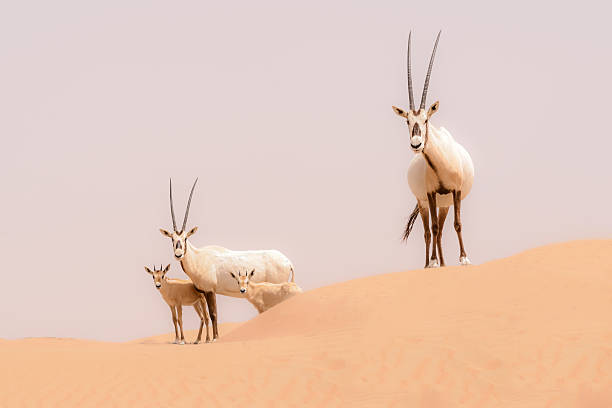
The Arabian Desert, shared by the United Arab Emirates and Oman, is a testament to successful conservation. The Arabian oryx, once on the brink of extinction, has made a remarkable comeback thanks to dedicated breeding programs and protected areas. Now, responsible desert safaris play a crucial role in sustaining this recovery, offering travelers a chance to witness these magnificent creatures in their natural habitat. Consider this your introduction to responsible wildlife tourism Arabian Desert.
Ethical Desert Safaris in the Arabian Desert
Experience the magic of the Arabian Desert on a guided safari with local Bedouin guides who prioritize ethical wildlife viewing UAE. These tours emphasize observing wildlife from a respectful distance and promoting cultural sensitivity. One highly recommended operator is Platinum Heritage in Dubai, known for its commitment to conservation and sustainable tourism practices. They offer unique experiences that minimize environmental impact while showcasing the rich cultural heritage of the region.
Wildlife to Watch For
Keep an eye out for the iconic Arabian oryx with its distinctive long horns, graceful sand gazelles, and elusive desert foxes. These animals are perfectly adapted to the harsh desert environment, showcasing the resilience of life in the face of adversity.
Best Time to Visit
The best time to visit the Arabian Desert for wildlife viewing is between November and March. The cooler temperatures provide a more comfortable experience, and this period coincides with the oryx breeding season, increasing your chances of seeing these animals in their prime.
Sustainable Accommodation
For an unforgettable and ethical stay, consider Al Maha, a Luxury Collection Desert Resort & Spa, Dubai. This luxurious resort is deeply committed to conservation and actively supports the Dubai Desert Conservation Reserve, providing a haven for wildlife and a model for sustainable tourism.
Supporting Conservation
You can directly contribute to the protection of Arabian wildlife by donating to Emirates Nature-WWF. Their vital work includes habitat preservation, anti-poaching efforts, and community engagement programs.
Ethical Wildlife Photography
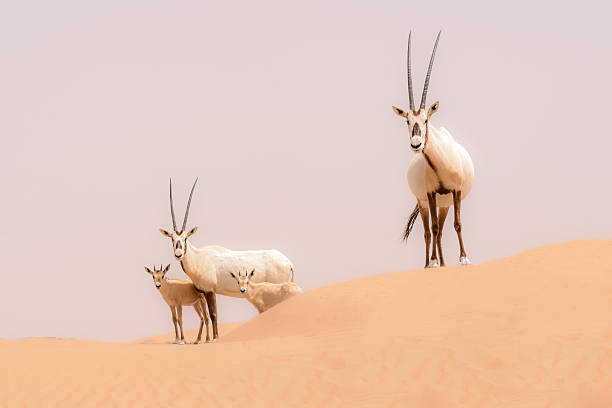
Capture stunning images of Arabian wildlife responsibly. Use a telephoto lens (at least 300mm) to photograph oryx from a respectful distance. Do not approach or feed the animals, as this can disrupt their natural behavior and endanger their survival.
The Sonoran Desert (USA & Mexico) - Respecting Reptilian Resilience
Spanning parts of the United States and Mexico, the Sonoran Desert is a biodiversity hotspot renowned for its unique plant and animal life. This region is home to iconic saguaro cacti, resilient reptiles, and a vibrant ecosystem that demands our respect. Learn more about Sonoran Desert Wildlife Eco-Lodges.
Ethical Wildlife Encounters in the Sonoran Desert
Embark on guided walking tours with experienced naturalists in Saguaro National Park (Arizona) or the Arizona-Sonora Desert Museum to learn about the desert's fascinating flora and fauna. It's crucial to stay on marked trails to minimize disturbance to fragile habitats and avoid encounters with potentially dangerous wildlife.
Wildlife to Watch For
The Sonoran Desert is home to the iconic Gila monster, one of the few venomous lizards in the world, and the desert tortoise, a long-lived reptile adapted to the arid environment. You might also spot roadrunners, famous for their speed and agility, and a variety of bird species that thrive in this unique landscape.
Best Time to Visit
Spring (March-May) is the ideal time to visit the Sonoran Desert. Wildflower blooms paint the landscape in vibrant colors, and reptile activity increases as temperatures rise, making it a prime time for wildlife viewing.
Eco-Friendly Accommodation
Consider staying at the White Stallion Ranch in Tucson, Arizona. This guest ranch is committed to eco-friendly practices, including responsible water usage and minimal disturbance to the desert environment.
Supporting Conservation
Support the Arizona Game and Fish Department's tortoise adoption program by participating or donating. This initiative helps protect desert tortoises by providing them with safe homes and raising awareness about their conservation needs.
Ethical Wildlife Photography
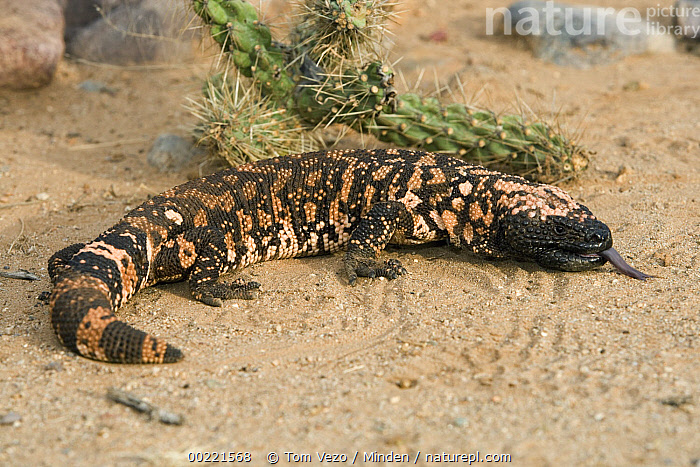
Practice ethical wildlife photography by using a macro lens to capture the details of Gila monsters and tortoises without disturbing them. Never handle or relocate wildlife. Maintain a distance of at least 10 feet and avoid using flash photography at night, as it can disorient nocturnal animals.
The Simpson Desert (Australia) - Tracking the Elusive Bilby
The Simpson Desert in Australia, known for its towering red sand dunes, is home to a range of unique and resilient wildlife, including the elusive bilby and thorny devil. Protecting these vulnerable species requires supporting conservation efforts led by indigenous communities who have a deep understanding of the land.
Indigenous-Led Tours in the Simpson Desert
Participate in guided tours led by Aboriginal guides that focus on bush tucker and bilby tracking. These tours ensure minimal impact on the environment while providing valuable insights into the cultural and ecological significance of the desert. Research and support specific tours operated by indigenous communities to directly contribute to their economic empowerment and conservation efforts.
Wildlife to Watch For
Keep an eye out for the endangered bilby, a rabbit-like marsupial with long ears and a pointed snout, and the thorny devil, a spiky lizard perfectly adapted to the arid environment. You might also spot dingoes and red kangaroos roaming the vast landscape.
Best Time to Visit
Winter (June-August) is the best time to visit the Simpson Desert. Cooler temperatures provide a more comfortable experience, and this period coincides with the bilby breeding season, increasing your chances of spotting these elusive creatures.
Low-Impact Accommodation
Recommend staying in Arkaroola Wilderness Sanctuary (South Australia) which offers low-impact accommodations and encourages donations to their conservation projects. This sanctuary is dedicated to preserving the natural beauty of the Flinders Ranges and protecting its diverse wildlife.
Supporting Conservation
You can directly support bilby conservation by donating to the Save the Bilby Fund. Their work includes habitat restoration, predator control, and community education programs.
Ethical Wildlife Photography
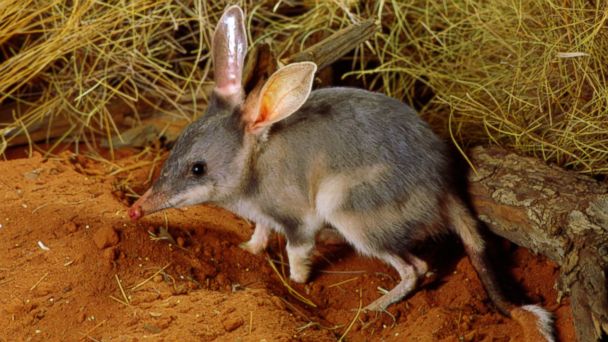
Use a zoom lens to capture bilbies from a distance in their natural habitat. Avoid disturbing their burrows and never use artificial light sources, as this can disorient and stress these sensitive animals.
Conclusion: Become a Desert Guardian
Responsible travel and wildlife conservation are essential for preserving the unique desert ecosystems we’ve explored. By choosing ethical tour operators, supporting local communities, and minimizing our impact on these fragile environments, we can ensure that future generations have the opportunity to witness the beauty and resilience of desert wildlife. Plan your desert adventure responsibly and become a guardian of these unique landscapes!