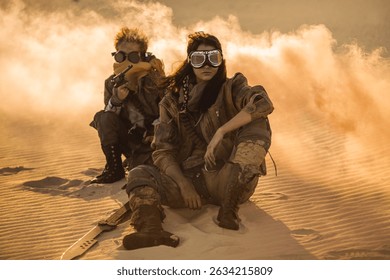
Desert Survival Photography: A Guide to Capturin...
Are you brave enough to risk everything to photograph the ultimate desert landscape? Desert survival photography is more than just taking pictures; it's about capturing raw beauty amidst danger, showcasing the photographer's resilience in the face of extreme conditions. This pursuit requires meticulous preparation, specialized gear, and a deep understanding of the environments you're entering. This article provides practical guidance, gear recommendations, and ethical considerations for photographers venturing into extreme desert environments. We'll explore the challenges and opportunities in the Sahara Desert (Morocco), the Arctic Desert (Greenland), and the Painted Desert (Arizona).
The Sahara Desert (Morocco): Sandstorms & Mirages
The Sahara Desert presents unique challenges and stunning photographic opportunities. However, survival is paramount.
Survival Challenges
Intense Heat: Hyperthermia and dehydration are constant threats. Ration your water carefully, aiming for at least four liters per day. Seek shade during the hottest parts of the day, even if it means building a temporary shelter from available materials or using your vehicle strategically. Light-colored, loose-fitting clothing is essential to reflect heat.
Sandstorms: Sandstorms can wreak havoc on camera equipment and significantly impair visibility. Find or create a temporary shelter, such as digging into a dune. Protect your gear with waterproof and sandproof cases. Remember that sand gets everywhere.
Navigation: GPS devices are indispensable, but batteries can fail. Learn to navigate using the sun and stars as backup methods. Familiarize yourself with map reading techniques, and always inform someone of your route and expected return time.
Photography Opportunities
Mirages: Capture the ethereal beauty of mirages, which are optical illusions caused by heat refraction. Use a telephoto lens to compress the distance and enhance the mirage effect. Manual focus is often necessary due to the heat haze disrupting autofocus systems.
Nomadic Life: Photographing nomadic cultures requires respect and sensitivity. Always obtain permission before taking pictures of people or their belongings. Engage in conversation and show genuine interest in their way of life.
Star Trails: The clear desert sky offers incredible opportunities for astrophotography. Use a wide-angle lens and a sturdy tripod to capture stunning star trails. Experiment with long exposures (30 seconds or more) to capture the movement of the stars.
Gear Recommendations
- Camera: Olympus OM-D E-M1 III (weather-sealed): This camera's ruggedness and weather sealing are crucial for surviving the harsh desert environment. Olympus OM-D E-M1 III
- Camera Case: Aquapac camera case: This case provides excellent protection against sand and water, ensuring your camera remains safe and functional. Aquapac camera case
- Water Filter: Sawyer Products water filter: Essential for obtaining potable water from potentially contaminated sources. Sawyer Products water filter
Photography Technique
- Use manual focus: Autofocus can be unreliable in sandstorms due to reduced visibility and flying particles.
- Shoot in RAW format: This allows for greater flexibility in post-processing to correct exposure and white balance, which can be affected by the harsh desert light.
Ethical Considerations
- Water Conservation: Minimize water usage whenever possible. Use dry shampoo, and conserve water when washing.
- Waste Management: Pack out all trash, including food wrappers, batteries, and other waste.
- Respect Nomadic Culture: Seek permission before photographing people and their belongings. Offer compensation for their time and cooperation if appropriate.
The Arctic Desert (Greenland): Extreme Cold & Ice Caves
The Arctic Desert in Greenland presents a different set of challenges, with extreme cold and icy conditions.
Survival Challenges
Extreme Cold: Hypothermia and frostbite are significant risks. Dress in multiple layers, including a moisture-wicking base layer, an insulating mid-layer, and a waterproof outer layer. Protect exposed skin with gloves, hats, and scarves.
Ice Caves: Ice caves are inherently unstable and prone to collapse. Never enter an ice cave without proper safety gear, including a helmet and ice axe. Consult with experienced guides who can assess the cave's stability.
Wildlife Encounters: Encounters with polar bears are possible. Carry bear deterrents, such as bear spray or flares, and be aware of your surroundings. Maintain a safe distance from all wildlife.
Photography Opportunities
Northern Lights: Photographing the aurora borealis requires patience and the right equipment. Use a wide-angle lens with a fast aperture (f/2.8 or wider) and a high ISO (800-3200). A sturdy tripod is essential for long exposures.
Icebergs: Capture the majestic beauty of icebergs by framing them against the dramatic Arctic landscape. Use a polarizing filter to reduce glare and enhance the colors. Experiment with different focal lengths to capture both wide-angle views and close-up details.
Polar Wildlife: Photographing seals, arctic foxes, and other polar wildlife requires patience and respect. Use a telephoto lens to maintain a safe distance and avoid disturbing the animals. Be aware of their behavior and adapt your approach accordingly.
Gear Recommendations
- Camera: Fujifilm X-T4 (cold-resistant): The Fujifilm X-T4 is known for its reliable performance in sub-zero temperatures, making it ideal for Arctic photography. Fujifilm X-T4
- Insulated Camera Bag: Tenba Shootout: This bag is specifically designed to protect camera gear from extreme cold, preventing condensation and battery drain. Tenba Shootout
- Boots: Baffin boots: These boots provide exceptional insulation and grip, keeping your feet warm and stable on icy surfaces. Baffin boots
Photography Technique
- Use a tripod: Essential for long exposures in low-light conditions, especially when photographing the Northern Lights.
- Protect batteries: Keep batteries warm by storing them in an inside pocket or using a battery warmer to extend their lifespan.
Ethical Considerations
- Minimize Footprint: Stay on designated trails to avoid damaging fragile vegetation and disturbing wildlife.
- Respect Wildlife: Avoid approaching or feeding animals. Observe them from a safe distance and do not interfere with their natural behavior.
- Pack out all trash: Ensure that the landscape remains pristine by removing all traces of your presence.
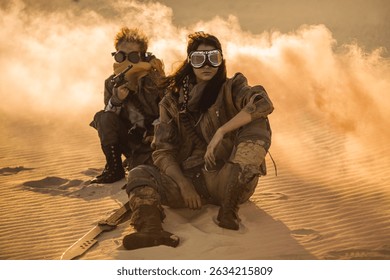
The majestic icebergs of Greenland, captured with a wide-angle lens. Alt text emphasizes the grandeur of the arctic landscape and mentions wide-angle lens.
The Painted Desert (Arizona, USA): Flash Floods & Slot Canyons
The Painted Desert in Arizona offers stunning geological formations, but also poses risks like flash floods.
Survival Challenges
Flash Floods: Slot canyons are particularly vulnerable to flash floods, even when it's not raining locally. Monitor weather conditions carefully and be aware of potential escape routes. Never enter a slot canyon if there is a risk of rain.
Heat: Temperatures can soar during the day, leading to heat exhaustion and heatstroke. Wear lightweight, breathable clothing, drink plenty of water, and avoid strenuous activity during the hottest hours.
Dehydration: Recognize the signs of dehydration, such as dizziness, headache, and muscle cramps. Replenish fluids frequently, and consider carrying electrolyte supplements.
Photography Opportunities
Geological Formations: Capture the vibrant colors and textures of the landscape by shooting during the golden hours (sunrise and sunset). Use a polarizing filter to reduce glare and enhance the saturation.
Monsoon Season: Photographing dramatic thunderstorms and lightning strikes can be incredibly rewarding, but also dangerous. Stay a safe distance from lightning and be prepared to seek shelter if a storm approaches.
Slot Canyons: Focus on capturing the dramatic lighting and unique textures of slot canyons. Use a wide-angle lens to capture the narrow spaces and use a tripod to ensure sharp images in low-light conditions.
Gear Recommendations
- Camera: Canon EOS 90D (dust and water resistance): The Canon EOS 90D is a reliable camera with excellent dust and water resistance, making it suitable for the challenging desert environment. Canon EOS 90D
- Backpack: Peak Design Everyday Backpack (weatherproof): This backpack offers excellent protection from the elements, ensuring your gear remains safe and dry. Peak Design Everyday Backpack
- Satellite Communicator: Garmin inReach Mini 2: Essential for emergency communication in remote areas where cell service is unavailable. Garmin inReach Mini 2
Photography Technique
- Use a wide-angle lens: This allows you to capture the vastness of the landscape and the dramatic scale of slot canyons.
- Use a polarizing filter: Reduces glare and enhances colors, especially in bright sunlight.
Ethical Considerations
- Stay on marked trails: Avoid trampling fragile vegetation and disturbing wildlife.
- Do not carve or deface rocks: Preserve the natural beauty of the landscape.
- Check for Permits: Certain areas require prior permits for entry. Check with the National Park Service or local authorities before your visit.
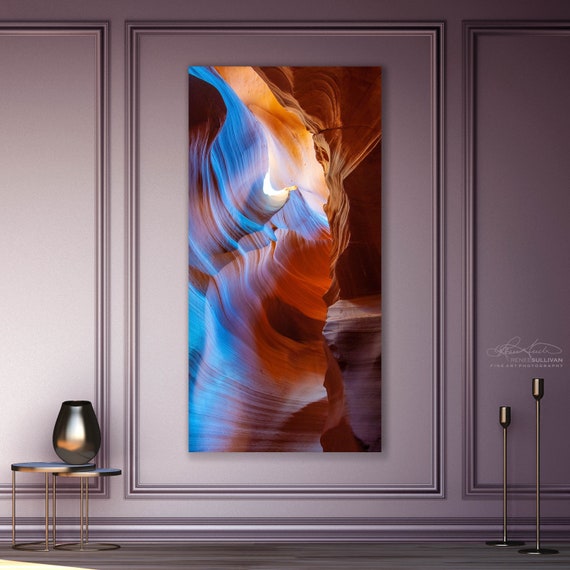
The vibrant colors of the Painted Desert captured at sunset. Alt text highlights the vibrant colors and mention sunset photography.
General Desert Survival Skills for Photographers
Water Procurement
- Solar Stills: Construct a solar still by digging a pit, placing a container in the center, covering the pit with plastic, and weighing it down with a rock. Condensation will collect in the container.
- Dew Collection: Collect dew from plants using a cloth or sponge.
- Finding Water: Look for signs of water sources, such as animal tracks or green vegetation. Purify any water found using a filter or boiling.
Navigation
- Compass and Map: Master the use of a compass and topographic maps for navigation.
- GPS: Use a GPS device, but be aware of its limitations. Carry extra batteries or a solar charger.
- Celestial Navigation: Learn to navigate using the sun and stars as backup methods.
First Aid
- Sunburn: Apply sunscreen liberally and wear protective clothing. Treat sunburn with aloe vera or other soothing lotions.
- Dehydration: Drink plenty of water and electrolyte supplements. Seek shade and rest if you experience symptoms of dehydration.
- Snake Bites: Seek immediate medical attention if bitten by a snake. Stay calm and immobilize the affected limb.
Viral Video Concept
Video Title: "Desert Survival Photography: Capturing Beauty on the Brink"
- HOOK (0-3 seconds): A GoPro POV shot of the photographer SPRINTING through a narrow slot canyon in the Painted Desert, water RISING RAPIDLY around their ankles. The SURPRISE element is the unexpected flash flood.
- SCENE (3-10 seconds): Cut to a cinematic 4K slow-motion shot (shot on RED camera) of a sandstorm in the Sahara. Golden hour lighting filters through the sand. Camera work focuses on the photographer's face, showing determination despite the harsh conditions. Emotion is one of determined resilience.
- TWIST (10-15 seconds): The photographer collapses, but then suddenly (action word) pulls out the Olympus OM-D E-M1 III and captures an incredible shot of a sand dune with the sun setting behind it. The clarity of the image is the twist, proving the value of the gear.
- (15-17 seconds): White text overlay: "DID YOU KNOW?"
- (17-20 seconds): White text overlay: "Sandstorms can cause light refraction making photos hazy!"
- (20-25 seconds): Fast cuts of the photographer in Greenland photographing the Northern lights in -40 degree weather, showing them using specific gear mentioned in the blog post. Emotion is amazement, awe.
- VISUAL STYLE: Raw, documentary style with dramatic lighting.
- Camera Work: GoPro POV, slow-motion, dramatic close-ups.
- PACING & STRUCTURE: Start IN MEDIAS RES, punch early, focus on one main idea (capturing beauty despite hardship).
- (25-30 seconds): Final shot of all photos taken in each desert (Sahara, Greenland, Painted Desert).
Ethical Guidelines for Desert Photography
Focus on responsible travel and photography in fragile desert ecosystems. Emphasize water conservation, waste management, and minimizing impact on wildlife. Promote Leave No Trace principles by packing out everything you pack in and staying on established trails.
Conclusion
Desert survival photography is a challenging but rewarding pursuit that requires careful preparation, specialized gear, and a deep respect for the environment. By understanding the risks and opportunities, and by adhering to ethical guidelines, you can capture stunning images while minimizing your impact on these fragile ecosystems.
Call to Action: Book guided desert photography expeditions through vistalocation.com to explore these incredible landscapes with experienced professionals. Check out our Sahara Desert tours [vistalocation.com/sahara-tours], Arctic Desert expeditions [vistalocation.com/arctic-tours], and Painted Desert adventures [vistalocation.com/painted-desert-tours].