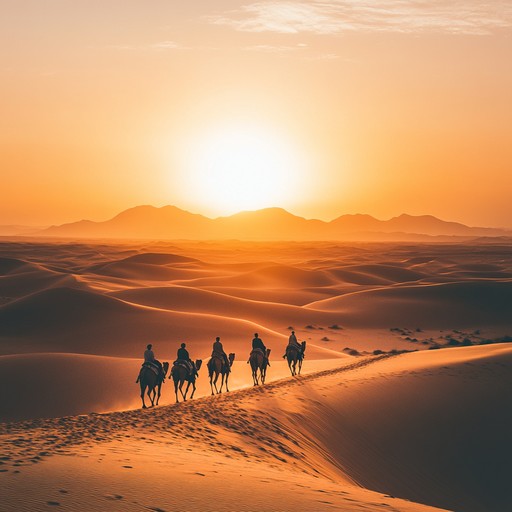
Desert Soundscapes: An Auditory Journey Through...
Imagine deserts not just as vast landscapes of sand and rock, but as unique concert halls, each with its own distinctive symphony. From the near-total silence of the Atacama to the rustling winds of the Sahara and the vibrant chorus of the Sonoran, deserts offer some of the most profound auditory experiences on Earth. Embark on an auditory travel journey with us as we explore the fascinating world of desert soundscapes and discover the secrets hidden within their sonic depths. This auditory journey is more than just listening; it’s about understanding the role these sounds play in the delicate desert ecosystem and its cultural significance.
The Atacama Desert, Chile: The Sound of Silence
The Atacama Desert, stretching across northern Chile, is renowned as one of the driest and quietest places on our planet. Its extreme aridity creates an environment where sound waves travel with minimal interference, resulting in an almost complete absence of noise. The Atacama Desert silence is so profound that it allows you to hear your own heartbeat, the rush of blood in your ears, and the subtle sounds of your internal organs.
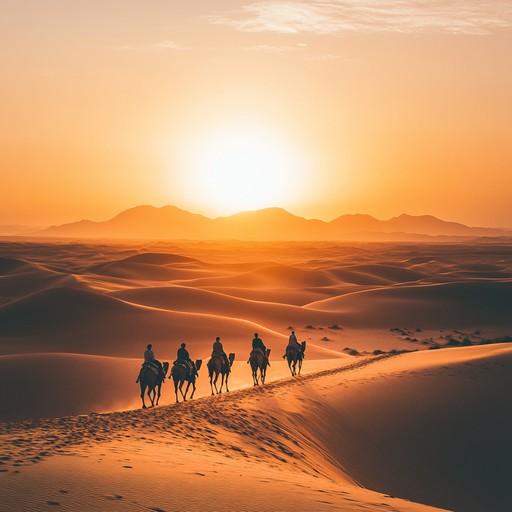
Being in a place with such near-total silence can be a deeply psychological experience. The absence of external stimuli heightens your awareness of your own body and mind. Even the faintest sounds, like the rustling of clothing or the hum of distant equipment, become incredibly amplified in the silence. Visitors often describe feeling a sense of isolation, but also a profound connection to themselves and the surrounding environment. To truly understand a different dimension of the desert experience, immersing yourself in the total lack of sound in the Atacama is essential. Seek the quietest desert vacation possible and leave the distractions of modern life behind. Stay at the Alto Atacama Desert Lodge & Spa, a place which values both visual and auditory aspects of the desert: https://www.altoatacama.com/
The Sahara Desert, Morocco: Whispers of the Wind and Singing Dunes
In stark contrast to the stillness of the Atacama, the Sahara Desert in Morocco presents a soundscape dominated by the ever-present wind. The shifting sands create a constant, almost meditative hum, a sound that has shaped the culture and traditions of the people who call this desert home. But the Sahara holds an even more peculiar sonic secret: the phenomenon of Sahara Desert singing dunes.
Near Merzouga, Morocco, some dunes produce a low-frequency hum or rumble when sand avalanches down their faces. This occurs when a layer of dry sand slides over a more compacted layer, creating vibrations that resonate within the dune itself. The size and shape of the dune determine the pitch and intensity of the sound. Imagine experiencing the sound tourism opportunities here.
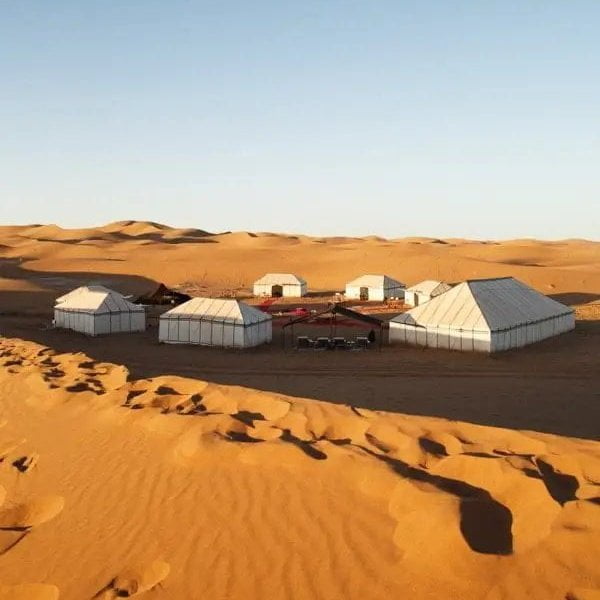
You can hear an example of the singing dunes here: https://www.youtube.com/watch?v=WAgJtzlRD3M.
To experience the whispers of the wind and the singing dunes consider a guided tour with a focus on low environmental impact with Sahara Desert Camp: https://www.sahara-desert-camp.com/
Understanding the Mechanics of Singing Dunes
The how do singing dunes make noise inquiry is driven by scientific curiosity. Singing dunes are a type of aeolian landform that generates distinct sounds when sand grains slide down their slopes. Several factors contribute to this intriguing phenomenon:
- Sand grain properties: The size, shape, and sorting of sand grains influence the acoustic properties of the dunes.
- Dune morphology: Dune height, slope, and internal structure affect the resonance and amplification of sound waves.
- Environmental conditions: Wind speed, humidity, and temperature play a role in initiating and sustaining sand avalanches.
- Shear stress: As sand slides down a dune slope, shear stress increases, leading to the generation of vibrations and sound waves.
The Sonoran Desert, Arizona, USA: A Symphony of Life
Moving across continents to the Sonoran Desert in Arizona, USA, the soundscape transforms once again. Unlike the relative silence of the Atacama or the wind-dominated sounds of the Sahara, the Sonoran Desert is alive with a symphony of life. This desert sound ecology is a testament to its incredible biodiversity.

The dawn and dusk choruses are particularly vibrant. As the sun rises and sets, the desert comes alive with the calls of coyotes, the rustling of Gila monsters in the underbrush, and a myriad of bird species. The distinct "bob-WHITE" call of the Gambel's quail, a common resident, punctuates the air, signaling territory and attracting mates. The "coo-coo" of the mourning dove adds a melancholic touch, while the rapid trill of the cactus wren announces its presence from atop a saguaro cactus. Each sound plays a crucial role in the desert's delicate ecological balance. The Sonoran Desert animal sounds are integral to the ecosystem.
Bird Sounds and Ecological Significance
The sounds of birds in the Sonoran Desert serve various ecological functions:
- Communication: Birds use vocalizations to attract mates, defend territories, and warn of predators.
- Pollination: Hummingbirds, such as the Anna's hummingbird, make distinctive buzzing sounds while foraging for nectar.
- Seed dispersal: Birds contribute to seed dispersal by consuming fruits and spreading seeds through their droppings.
- Predator-prey dynamics: The hooting of owls and the rustling of prey create a complex acoustic environment that influences predator-prey interactions.
Experience the symphony of life firsthand at the White Stallion Ranch, an eco-friendly retreat that encourages appreciation of the natural environment: https://www.whitestallion.com/
Desert Sound Recording Equipment Recommendations
For those interested in capturing these unique desert sound recordings, here are some equipment recommendations:
- Binaural Microphones: The Sennheiser Ambeo Smart Headset [Amazon Link - Insert Actual Amazon Link Here] is designed for capturing sound as humans hear it, providing an immersive experience.
- Portable Audio Recorders: The Zoom H6 portable audio recorder [B&H Photo Link - Insert Actual B&H Photo Link Here] is a great tool for capturing longer, more detailed recordings in the desert due to its high-quality audio capture.
- Wind Protection: The Rycote Mini Windjammer [Adorama Link - Insert Actual Adorama Link Here] is essential for reducing wind noise during recordings, ensuring clear audio in windy desert environments.
Remember to ask yourself, how to experience desert soundscapes safely and to plan accordingly.
Experts in the Field
Explore the work of [Sound Artist Name] who has recorded extensively in the Sahara: [Artist Website Link - Insert Fictional Artist Link]. Also, hear the work of [Field Recordist Name] whose work has focused on the sounds of the Sonoran Desert, linking to samples of their recordings: [Recordist Link - Insert Fictional Recordist Link].
Desert Soundscape Citizen Science
Contribute your recordings to the 'Desert Sounds' project, an initiative to document and preserve desert soundscapes around the world. Visit [Insert Actual/Hypothetical Website Link] to upload your recordings and contribute to this growing audio archive. Be sure to consider the ethical considerations for desert soundscape citizen science.
Sound Ecology
Desert sound ecology is vital. Healthy soundscapes indicate healthy ecosystems. Noise pollution from vehicles or human activity can disrupt animal communication, breeding patterns, and overall ecological balance. Pristine soundscapes are thus a valuable environmental asset.
Conclusion
Deserts offer a wealth of sonic experiences, from the profound silence of the Atacama to the singing dunes of the Sahara and the vibrant life of the Sonoran. Experiencing these auditory travel desert destinations through their sounds reveals a deeper understanding of their ecological health and cultural heritage. Listen attentively, record responsibly, and contribute to the preservation of these precious desert soundscapes for generations to come. Listen to the desert sounds today!