Desert Sanctuaries: Photographing Architecture o...
Forget generic desert vistas! Explore how ancient and modern architecture in the harshest desert environments fosters psychological resilience. We'll journey from the mud-brick labyrinths of Siwa Oasis, Egypt, to the futuristic, sustainable designs of Masdar City, UAE. Discover how architects and inhabitants have adapted to extreme conditions, creating spaces for solitude, contemplation, and creative inspiration. Learn to capture the stories of these landscapes and their people through narrative photography that unveils their connection to the built environment. This is about resilient architecture desert landscapes and experiencing the unique way people design and construct in harmony with one of Earth's most unforgiving environments.
Ancient Echoes: Photographing Siwa Oasis
Siwa Oasis, nestled in the Egyptian desert, presents a stunning example of how architecture responds to scarce resources and severe heat. The mud-brick construction, a hallmark of the region, serves as both a practical solution and a cultural expression.
Architectural Adaptation
The architectural form of Siwa is intrinsically linked to its environment. Mud-brick, locally sourced and abundant, offers excellent insulation against the scorching desert sun. The thick walls and narrow, winding alleys create a microclimate within the oasis, significantly reducing the heat and providing much-needed shade. This type of adobe construction becomes a necessity, blending structural integrity with thermal comfort in harsh environments.
Psychological Resilience in the Oasis
The architecture of Siwa Oasis does more than just provide shelter; it fosters a sense of community and protection. The labyrinthine alleys, while seemingly confusing, offer a network of shared spaces where residents interact and support each other. The cool, shaded interiors provide a refuge from the intense heat, promoting mental calm and a sense of well-being. The design intrinsically connects to psychological resilience, helping people cope with extreme weather.
Narrative Photography in Siwa
Capturing the essence of Siwa Oasis through photography requires a narrative approach. Focus on the following:
- Portraits: Showcase the faces of the Siwan people in their homes and communal spaces, revealing their connection to the architecture and landscape.
- Textures: Capture the texture of the mud-brick walls, highlighting the layers of history and human interaction. Close-up shots can reveal the unique building methods and the marks of time.
- Details: Focus on the intricate details of the buildings, reflecting local craftsmanship and design sensibilities. Look for patterns, carvings, and unique architectural elements that tell a story.
- Community Life: Include images of everyday life in Siwa, such as farmers tending their fields, children playing in the squares, or artisans at work. These scenes bring the architecture to life and showcase the vibrant community that thrives within it. By creating these images, it is easier to provide Siwa Oasis architecture photography to those unable to visit.
Modern Marvels: Documenting Masdar City
In stark contrast to the ancient architecture of Siwa Oasis, Masdar City in the UAE represents a modern approach to desert living. This planned city is a testament to sustainable design and technological innovation, aiming to create a climate-controlled environment in the heart of the desert.
Sustainable Design for Climate Control
Masdar City's architecture is driven by the principles of sustainability and climate control. The city's design incorporates numerous energy-efficient features, including solar panels, wind turbines, and a sophisticated cooling system that utilizes a wind tower to channel breezes through the streets.
Psychological Well-being in a Modern Desert Oasis
Masdar City's design promotes a sense of environmental responsibility and well-being among its residents. The city's pedestrian-friendly streets and public spaces encourage social interaction and a connection to nature, counteracting the isolating effects of the desert. The sustainable desert architecture also creates a sense of calm.
Narrative Photography in Masdar City
Photographing Masdar City requires a different approach than Siwa Oasis. Focus on the following:
- Innovative Systems: Capture the city's cooling systems, solar panels, and other sustainable technologies. Highlight the innovative solutions that make Masdar City a pioneer in sustainable urban development.
- Daily Life: Document the lives of Masdar City residents, focusing on their commitment to sustainability and their connection to the environment. Show how they interact with the city's sustainable features and contribute to its unique culture.
- Materials and Details: Take close-up shots of the materials and unique architectural elements, showcasing the city's forward-thinking approach to design.
- Light and Shadow: Capture the interplay of light and shadow on the futuristic buildings, highlighting the city's cutting-edge aesthetic. Golden hour and blue hour can be particularly effective for capturing the city's beauty. Consider booking a Masdar City sustainable design travel experience to witness this in person.
Challenges and Solutions: Desert Architectural Photography
Photographing architecture in the desert presents unique challenges. Here are some common obstacles and effective solutions:
Intense Light
The desert sun can be harsh and unforgiving, creating intense glare and overexposed images.
- Solution: Use polarizing filters to reduce glare and enhance colors. Shoot during the golden hour (shortly after sunrise and before sunset) or blue hour (twilight) for softer, more flattering light.
Extreme Temperatures
Desert temperatures can soar during the day, making it uncomfortable for both photographers and equipment.
- Solution: Schedule shoots for early mornings or late evenings when temperatures are cooler. Protect equipment from overheating by using sunshades and storing gear in insulated bags.
Limited Access
Gaining access to certain locations or buildings in the desert may require special permits or permissions.
- Solution: Obtain necessary permits and permissions in advance. Work with local guides who can provide access and insights into the area.
Conveying Isolation vs. Community
Capturing the vastness and isolation of the desert while also conveying the sense of community within its settlements can be challenging.
- Solution: Use wide-angle lenses to capture the vastness of the landscape and the scale of the architecture. Use telephoto lenses to zoom in on human details and capture intimate moments of community life. This helps to photograph psychological resilience.
Case Studies
Several architects and photographers have made significant contributions to the field of desert architecture and its documentation.
Architect: Hassan Fathy
Hassan Fathy was an Egyptian architect known for his use of traditional Nubian architecture. His work in New Gourna, Egypt, showcased how sustainable design principles could promote community and psychological well-being. His designs emphasized natural ventilation, passive cooling, and the use of local materials, creating spaces that were both functional and beautiful.
Photographer: George Steinmetz
George Steinmetz is a National Geographic photographer known for his aerial photography of deserts. His images capture the vastness and beauty of desert landscapes, providing a unique perspective on the relationship between architecture and the environment.
Architect: Foster + Partners
Foster + Partners are the designers for Masdar City. Their focus on creating a sustainable, climate-controlled environment reflects a commitment to innovative design and environmental responsibility. Their work showcases how architecture can adapt to extreme conditions and promote a more sustainable future. This allows them to construct sustainable desert architecture experiences for those visiting the UAE.
Capturing the Story
The most compelling desert architectural photography emphasizes the connection between the people, the architecture, and the environment.
Techniques for Storytelling
- Composition: Use leading lines, framing, and other compositional techniques to guide the viewer's eye and create a sense of depth and perspective.
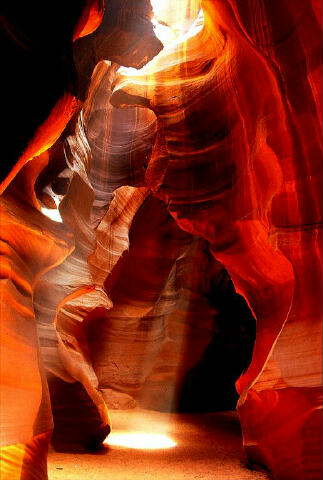
- Light: Use light and shadow to create mood and atmosphere. Pay attention to the golden hour and blue hour for the most dramatic lighting.
- Color: Use color to convey emotion and highlight the unique characteristics of the desert environment. Warm tones can evoke a sense of heat and aridity, while cool tones can suggest tranquility and peace.
- Interviews: Include interviews with residents and architects to add depth and authenticity to your photography. Ask them about their experiences, challenges, and perspectives on desert architecture.
Example Questions
- How does the architecture influence the way you live and think?
- What challenges and opportunities does this environment present?
- How do you balance tradition and innovation in your work?
Conclusion
Desert architecture is more than just shelter; it's a testament to human resilience and ingenuity. By capturing the stories of these landscapes and their inhabitants, we can gain a deeper understanding of our relationship with the environment and the power of architecture to shape our lives. Explore the possibilities of desert architecture photography tours today.