
Desert Delights: A Culinary Journey Through the...
Forget the image of barren wastelands. Deserts, often perceived as desolate and devoid of life, are in fact surprising treasure troves of unique ingredients and age-old culinary traditions. From drought-resistant beans to succulent cacti and protein-rich insects, these arid landscapes have fostered incredible ingenuity in food preparation and consumption. Prepare to challenge your preconceptions as we embark on a delectable desert culinary tourism journey, exploring the flavors of three distinct desert regions: Phoenix, Arizona, the Namib Desert in Namibia, and the Atacama Desert in Chile. Discover the surprising abundance and unique desert ingredients that create unforgettable luxury desert dining experiences.
Sonoran Sunrise: A Taste of the Arizona Desert
The Sonoran Desert, sprawling across Arizona and parts of California and Mexico, boasts a culinary heritage as vibrant and resilient as the landscape itself. The cuisine here is heavily influenced by the indigenous peoples who have thrived in this challenging environment for centuries.
One of the most fascinating ingredients is the cholla bud. These buds, harvested from the cholla cactus, offer a unique taste of the desert. Imagine a slightly tangy, vegetal flavor, with a texture that's both tender and slightly crunchy when cooked properly. A truly traditional Sonoran Desert culinary experience includes cholla buds simmered in a savory stew.
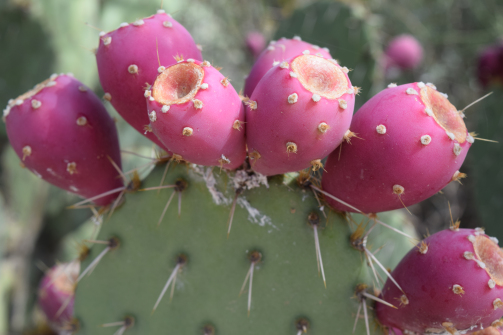
Tepary beans are another staple, a testament to the ingenuity of desert agriculture. As a drought-resistant marvel, these beans were a crucial food source for indigenous communities. Their flavor is earthy and slightly sweet, and they shine in a traditional "three sisters" dish – a combination of beans, corn, and squash, each supporting the others' growth and nutritional value. The traditional food preservation techniques have been passed down through generations.
For a sweet treat, don't miss prickly pear candy. Made from the fruit of the prickly pear cactus, it offers a sweet, slightly tart, and refreshing flavor that perfectly captures the essence of the Arizona desert. It's the perfect way to end a luxury food tour in Phoenix Arizona deserts.
What ingredients make Sonoran cuisine unique? The unique ingredients include cholla buds, tepary beans, and prickly pear cactus.
Book a Sonoran Desert foraging tour through VistaLocation.com and discover the secrets of this unique culinary landscape. Stay at the Arizona Biltmore, A Waldorf Astoria Resort, known for its fine dining with a modern twist on Sonoran ingredients and proximity to desert hiking trails. Indulge in sustainable desert cuisine, as the Biltmore emphasizes locally-sourced ingredients. Find the best Phoenix eateries at this location.
Namibian Nourishment: Bush Food and Braais Under the African Sky
Transitioning to the African continent, the Namib Desert presents a completely different, yet equally compelling, culinary landscape. Here, the focus shifts to hardy game meats, resourceful use of available plants, and the influence of German colonial history. This is a great chance to experience an authentic Namibian braai under the stars.
The "braai," a South African term for barbecue, is central to Namibian culinary culture. Gemsbok, a type of oryx antelope, is a popular choice for the braai, offering a rich, gamey flavor that's enhanced by the smoky char of the grill. Picture a sizzling gemsbok steak with the Namib Desert dunes silhouetted in the background.
Mopane worms, while perhaps daunting to the uninitiated, are a significant source of protein and a vital part of the local diet. These caterpillars are typically dried or smoked, resulting in a smoky, nutty flavor. They are frequently eaten as a snack or incorporated into stews. What ingredients make the cuisine of Namibia unique?
The influence of German cuisine is also apparent, particularly in the use of game meats like springbok and kudu, often served with hearty sauces and root vegetables. This blend of indigenous and European influences makes Namibian cuisine a truly unique experience. Sustainable Namibian desert culinary tourism supports local communities and protects the fragile ecosystem.
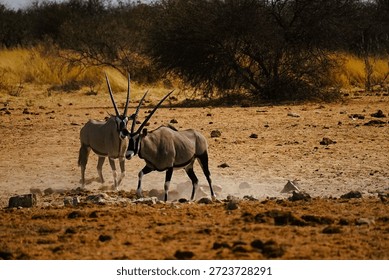
Where can I find traditional Namibian food? Look for local restaurants in Windhoek and Swakopmund that specialize in game meats and traditional preparations.
Experience an authentic Namibian braai under the stars. Find tour operators offering desert camping and culinary experiences on VistaLocation.com. Consider staying at Little Kulala Lodge, offering stunning desert views and opportunities to sample local cuisine. Embrace ethical considerations for desert food tourism by supporting sustainable practices.
Andean Alchemy: Flavors of the Atacama
Finally, we travel to the Atacama Desert in Chile, one of the driest places on Earth. Here, Andean traditions meet the challenges of extreme aridity, resulting in a cuisine that is both resourceful and deeply flavorful. This Atacama desert food scene highlights the local culture.
Quinoa, an ancient grain cultivated in the Andes for thousands of years, is a cornerstone of Atacama cuisine. Its nutty flavor and versatility make it a staple in salads, soups, and stews. The Andean Alchemy of flavors create a unique culinary experience.
Chañar syrup, derived from the fruit of the chañar tree, is a unique sweetener that adds a distinctive touch to Atacama desserts and beverages. This syrup boasts a sweet, slightly smoky flavor, reminiscent of caramel with a hint of earthiness. How do Atacama desert communities preserve food? Common methods include sun-drying and salting due to the extremely dry climate.
In this arid climate, food preservation is paramount. Sun-drying, salting, and fermenting are all time-honored techniques used to extend the shelf life of precious ingredients. These methods not only preserve food but also enhance its flavor, adding depth and complexity to Atacama cuisine.
Discover the ancient flavors of the Atacama. Browse cooking classes focused on Andean cuisine on VistaLocation.com. A stay at Tierra Atacama Hotel & Spa, known for its locally sourced ingredients and traditional cooking demonstrations, is highly recommended. Enjoy Atacama desert dining under the stars experience.
What is Sonoran desert cuisine known for? It is known for using ingredients native to the Sonoran Desert, such as cholla buds, tepary beans, and prickly pear.
Conclusion
From the Sonoran Desert's cholla buds and tepary beans to the Namib Desert's game meats and mopane worms, and the Atacama Desert's quinoa and chañar syrup, each of these arid landscapes offers a unique and unforgettable culinary journey. We've challenged the notion that deserts are barren wastelands, revealing them to be surprisingly rich sources of flavor and culinary innovation. These desert delights offer a unique way to connect with culture and landscape.
Ready to embark on your own desert culinary adventure? Book a Phoenix desert culinary tour today at VistaLocation.com and discover the hidden tastes of the world's arid landscapes. Discover unique culinary experiences in the Atacama desert Chile. Enjoy a truly unforgettable experience!