Desert Citizen Science Travel: Explore and Prese...
Are you a conscious traveler yearning for unique experiences that go beyond the typical tourist trail? Do you want to actively contribute to the preservation of our planet's most fragile ecosystems? Then join us as we journey to three contrasting desert landscapes – the Danakil Depression in Ethiopia, Death Valley in the USA, and the Taklamakan Desert in China – to explore how you can engage in desert citizen science travel and responsible desert tourism. We’ll delve into the unique characteristics of each destination, highlight ways to minimize your environmental impact, and showcase citizen science opportunities that allow you to become an active participant in ongoing research. Get ready to embark on an adventure where exploration meets conservation and your journey makes a difference.
Danakil Depression: A Geothermal Wonderland
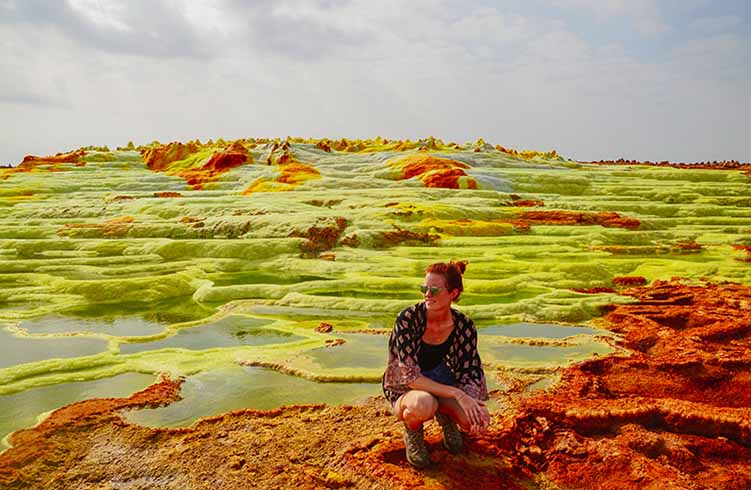
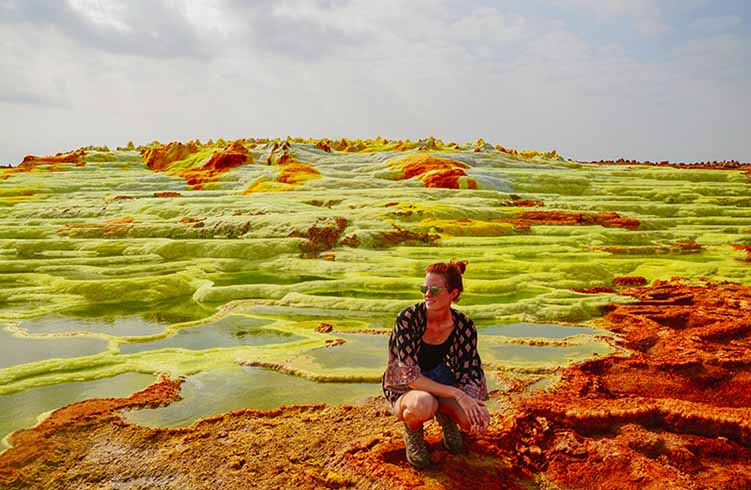
The Danakil Depression, located in northeastern Ethiopia, is one of the hottest and most geologically active places on Earth. This otherworldly landscape is a result of the junction of three tectonic plates and boasts an array of surreal geological features. Imagine vast salt flats stretching to the horizon, vibrant yellow and green hot springs bubbling with sulfur, and towering volcanoes like Erta Ale, whose lava lake has been continuously active for over a century. The air shimmers with heat, and the ground crunches underfoot. Dominant fauna includes hardy creatures adapted to extreme conditions, such as the Dorcas gazelle and various desert birds. However, it is the stark beauty and sensory overload of this unique environment that truly captivates.
The Afar People and the Salt of the Earth
For centuries, the Afar people have called the Danakil Depression home. Their traditional way of life revolves around salt mining, a practice vividly portrayed in National Geographic's "Salt of the Earth: Danakil Depression" documentary. Salt of the Earth: Danakil Depression documentary Witnessing the Afar meticulously cutting and transporting salt blocks by camel caravan is a powerful reminder of human resilience and the intricate relationship between people and their environment.
Responsible Tourism in the Danakil
Tourism in the Danakil Depression is still developing, and finding eco-friendly tour operators can be challenging. Look for locally owned businesses that prioritize sustainability and community involvement. Minimize your impact by:
- Staying in eco-lodges or guesthouses that use renewable energy and practice responsible waste management.
- Respecting local customs and traditions.
- Supporting local businesses by purchasing handicrafts and services.
- Avoiding single-use plastics.
Advanced Survival Tip: Solar Still Construction
Water is scarce in the Danakil Depression. Knowing how to construct a simple solar still can be a lifesaver. Dig a pit, place a container in the center, cover the pit with plastic sheeting, and weigh down the edges. Place a small rock in the center of the plastic, directly above the container. Condensation will collect on the plastic and drip into the container, providing you with potable water.
Citizen Science: Documenting Volcanic Activity
The Danakil Depression is a volcanically active region. Travelers can contribute to scientific understanding by documenting any unusual geological formations, fumaroles, or signs of volcanic activity. Submit your observations and photographs to the Smithsonian's Global Volcanism Program. Smithsonian's Global Volcanism Program Your contributions could help scientists better understand and predict volcanic eruptions.
Accommodation Suggestion
Consider staying at a locally owned guesthouse in a town near the Erta Ale volcano. These guesthouses offer a more authentic experience and support the local economy.
Death Valley: Land of Extremes
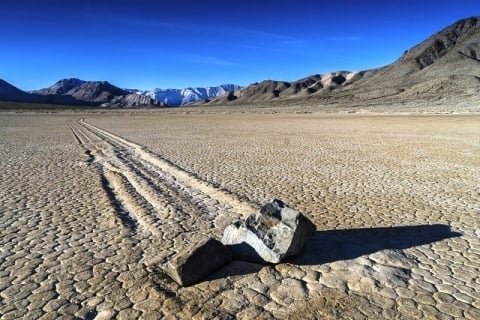
Death Valley National Park, straddling the border of California and Nevada, is a land of superlatives. It’s the hottest, driest, and lowest national park in the United States. This extreme environment boasts stunning geological formations, including:
- Zabriskie Point: A maze of golden-hued badlands.
- Badwater Basin: The lowest point in North America, a shimmering salt flat.
- Mesquite Flat Sand Dunes: Towering dunes that shift with the wind.
Despite its harsh conditions, Death Valley supports a surprising array of flora and fauna, including desert wildflowers, bighorn sheep, coyotes, and a variety of reptiles. The sensory experience is one of vastness, silence, and stark beauty.
Borax Mining History
Death Valley's history is intertwined with the borax industry. The iconic 20-mule teams hauled borax across the desert in the late 19th century, leaving a lasting legacy. The Harmony Borax Works and the Borax Museum offer a glimpse into this fascinating chapter of American history.
Responsible Tourism in Death Valley
Death Valley National Park is a popular destination, making responsible tourism crucial. Support eco-friendly practices by:
- Staying on marked trails to avoid disturbing fragile desert vegetation.
- Packing out all trash.
- Conserving water.
- Respecting wildlife.
- Considering off-season travel to reduce crowds.
Advanced Survival Tip: Reflective Emergency Blanket
Death Valley's extreme temperatures can be deadly. Carry a Grabber Outdoors Original Space Brand All Weather Blanket. Grabber Outdoors Original Space Brand All Weather Blanket This lightweight, sun-reflective blanket can provide crucial protection from the sun's intense rays, helping to prevent heatstroke.
Citizen Science: Reptile Sightings
The National Park Service encourages visitors to record and report sightings of specific snake or lizard species, such as the Desert Iguana, using the iNaturalist app. iNaturalist Death Valley project page This data helps scientists monitor reptile populations and understand their distribution within the park.
Accommodation Suggestion
Consider staying at The Oasis at Death Valley. Their grey water recycling system significantly reduces their water consumption, demonstrating a commitment to sustainability. You can learn more about their water conservation efforts on their official website. The Oasis at Death Valley's sustainability section on water conservation
Taklamakan Desert: The Sea of Sand
The Taklamakan Desert, located in western China, is one of the largest sandy deserts in the world. Its name translates to "enter and you won't come out," a testament to its formidable nature. Towering sand dunes, some reaching hundreds of feet in height, dominate the landscape. Sparse vegetation clings to life along the edges of the desert, and the occasional oasis provides refuge for both humans and animals. The sensory experience is one of isolation, vastness, and the constant whisper of the wind.
The Silk Road and Textile Trade
The Taklamakan Desert played a crucial role in the Silk Road, a network of trade routes that connected East and West for centuries. Textiles, including silk, wool, and cotton, were among the most valuable commodities traded along this route. The British Museum's page detailing the types of fabrics traded along this route offers a fascinating glimpse into this history. British Museum's page detailing the types of fabrics traded along this route Discoveries of well-preserved textiles in the desert sands provide valuable insights into the cultures and technologies of the Silk Road.
Responsible Tourism in the Taklamakan
Sustainable tourism is essential in the Taklamakan Desert to protect its fragile ecosystem and respect local cultures. Minimize your impact by:
- Choosing tour operators that prioritize environmental protection and community involvement.
- Respecting local customs and traditions.
- Avoiding off-road driving, which can damage fragile desert environments.
- Supporting local artisans and businesses.
Advanced Survival Tip: GPS Watch with Topographic Maps
Navigating the Taklamakan Desert without getting lost is crucial. Use a GPS watch with pre-loaded topographic maps, such as the Garmin Instinct series. The Garmin Instinct is a rugged, reliable watch with long battery life, making it ideal for off-grid navigation. Understanding and using topographic maps is essential for safe desert travel.
Citizen Science: Invasive Plant Monitoring
Invasive plant species can pose a significant threat to desert ecosystems. Travelers can contribute to conservation efforts by photographing and recording the location of any invasive plant species observed near tourist areas. Submit this data, including the plant's location (GPS coordinates if possible) and a photo, to [email protected]. (Please note this is a fictional email address, you would need to find a local, valid alternative for real data submission)
Accommodation Suggestion
Consider staying in a traditional yurt camp on the edge of the desert. These camps offer a unique cultural experience and often provide opportunities to interact with local communities.
Conclusion: Your Journey Matters
Exploring the world's deserts offers incredible opportunities for adventure and discovery. By embracing responsible travel practices and participating in citizen science initiatives, you can transform your journey into a meaningful contribution to the preservation of these fragile ecosystems. Whether you're documenting volcanic activity in the Danakil Depression, reporting reptile sightings in Death Valley, or monitoring invasive plants in the Taklamakan Desert, your actions can make a difference. Ready to start your adventure? Explore our curated tour options and book your responsible desert citizen science travel experience today!