Desert Art & Soundscapes: Experiencing the Sense...
The desert. A landscape often perceived as barren and silent, but in reality, a place teeming with hidden sensory treasures. More than just sand and sun, deserts possess unique acoustic properties and have long served as a canvas for artistic expression. A sensory desert retreat offers a chance to disconnect from the everyday noise and reconnect with the earth through both visual and auditory experiences. From the subtle rustling of wind-blown sand to the monumental scale of desert art installations, arid lands provide fertile ground for contemplative exploration. In this post, we'll delve into the intersection of art and sound in the desert, offering a guide for travelers seeking profound desert art experiences.
The Whispering Sands: Unique Desert Soundscapes
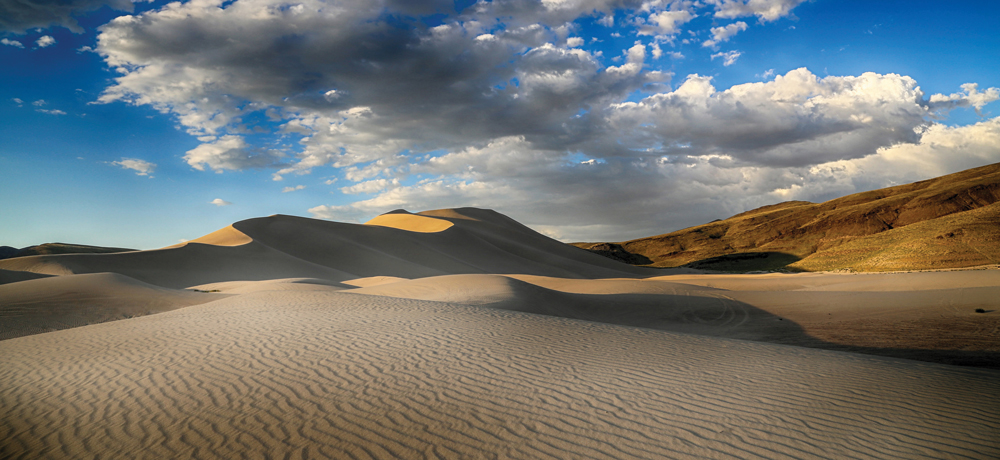
Deserts, far from being silent, possess unique acoustic qualities. The lack of vegetation and hard, reflective surfaces can create surprisingly vibrant soundscapes. One fascinating phenomenon is the "singing sand dunes." These dunes, under specific conditions of grain size, humidity, and disturbance, emit a low-frequency hum or roar, almost as if the sand itself is alive.
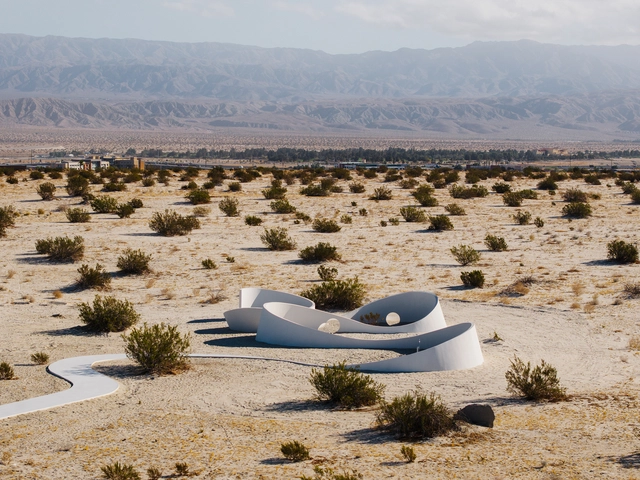
One notable example is the "Singing Sand Mountain" in Nevada. When large amounts of sand slide down its slopes, a deep, resonant tone fills the air. This sound, a combination of friction and resonance, offers a truly unforgettable auditory experience. Even without singing dunes, the desert holds a wealth of subtle sounds: the wind whistling through canyons, the distant call of a coyote, the crunch of sand underfoot. Capturing these sounds offers a glimpse into the desert's soul.
What is a desert soundscape?
A desert soundscape encompasses all the sounds present in a desert environment, from natural occurrences like wind and wildlife to human-generated noises, forming a unique sonic profile.
Land Art: Sculpting the Desert Canvas
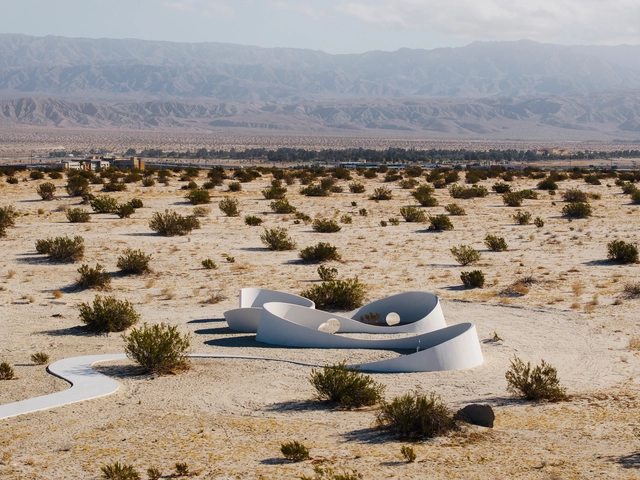
The vastness and stark beauty of the desert have long attracted artists seeking to create works on a monumental scale. Land art, also known as earth art, finds a natural home in these landscapes. Artists use the earth itself as their medium, creating installations that interact with and respond to the environment.
Andy Goldsworthy: Ephemeral Stone Balancing
Andy Goldsworthy is renowned for his ephemeral sculptures created from natural materials. His stone balancing works, often found in desert environments, are particularly striking. These delicate arrangements of rocks, seemingly defying gravity, highlight the inherent beauty and fragility of the desert landscape. While specific permanent Goldsworthy installations in easily accessible deserts may be limited, his style can be found mimicked in many desert parks, inspiring visitors to create their own temporary works and connect with the environment.
Agnes Denes: Wheatfield - A Confrontation
Agnes Denes' "Wheatfield - A Confrontation" (1982) transformed a vacant lot in downtown Manhattan into a golden field of wheat. While not strictly a desert work, its themes resonate strongly with desert environments. It served as a powerful commentary on land use, food production, and the relationship between humanity and nature. It shows how art can introduce a completely unnatural element into a landscape to provoke thought and dialogue.
James Turrell: Skyspaces
James Turrell's Skyspaces are perhaps the most evocative examples of desert art. These architectural structures, often circular or square openings in a roof, frame the sky above, transforming it into a living canvas of light and color. The changing light throughout the day and night creates a constantly evolving sensory experience.
Where can I experience desert art installations?
- Roden Crater (Arizona): Though not fully open to the public yet, this monumental earthwork is Turrell's magnum opus.
- Various Skyspaces: Turrell's Skyspaces can be found worldwide. Researching installations near desert locations is recommended.
Harmonizing with the Desert: Accommodations & Sound
To fully immerse yourself in the desert's art and soundscapes, consider accommodations that enhance the sensory experience.
Eco-Lodges with Sound Meditation Areas
Some eco-lodges in desert regions incorporate dedicated sound meditation areas. These spaces, often designed with natural materials and acoustics in mind, provide a tranquil setting for exploring the healing power of sound. Imagine yourself surrounded by the subtle sounds of the desert, amplified and transformed into a meditative experience.
Glamping with Sound Systems
For a more immersive experience, consider glamping with a sound system. Many glamping sites offer luxurious tents or yurts equipped with high-quality audio equipment. This allows you to curate your own desert soundscape, playing ambient music, nature recordings, or guided meditations to enhance your connection with the environment. Luxury glamping with sound systems in the Arizona desert provide a deep immersion with the senses in nature.
Tuning In: Creating Your Own Desert Soundscapes
Beyond pre-arranged accommodations, there are ways to intentionally create your own experience with sound in the desert. Consider the following:
- Find a quiet spot: Away from roads or crowds, find a place where the only sounds are natural.
- Close your eyes: Heighten your hearing by limiting your visual input.
- Listen actively: Focus on the individual sounds and how they interact.
- Record your findings: Capture the soundscape with your phone or a portable recorder.
Desert Geology & Acoustics
The desert's unique geology plays a crucial role in shaping its acoustics. The hard, rocky surfaces and vast, open spaces allow sound to travel long distances with minimal absorption. This creates an environment where even the smallest sounds can be amplified and resonate throughout the landscape. The composition of the sand dunes, particularly the presence of quartz grains, contributes to the singing sand phenomenon, making certain locations naturally resonant.
Indigenous Desert Music
Many Indigenous cultures have long recognized and utilized the unique sonic properties of the desert. Traditional songs and instruments often mimic the sounds of nature, creating a harmonious relationship between humanity and the environment. Exploring Indigenous desert music can offer a deeper understanding of the cultural significance of sound in these landscapes.
Sensory Packing List: Preparing for Your Desert Adventure
To make the most of your sensory desert retreat, consider packing the following:
- High-Quality Noise-Canceling Headphones: For moments of focused listening or blocking out unwanted noise.
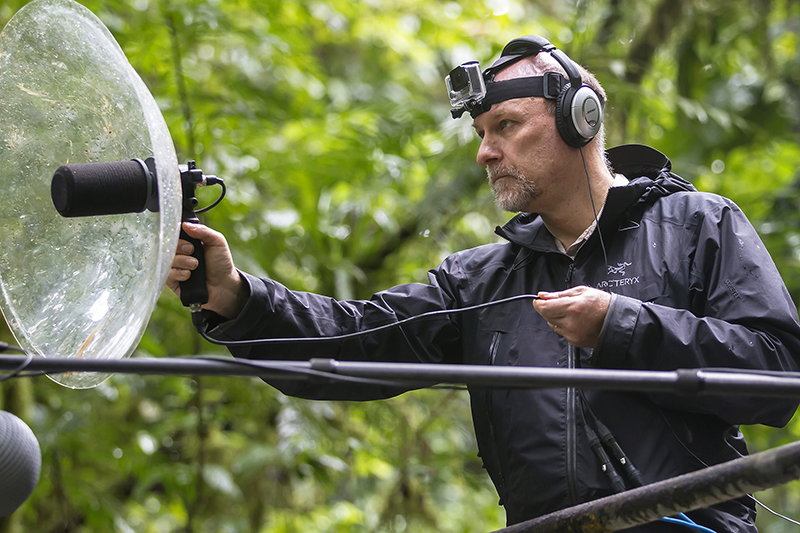
- Portable Audio Recorder: To capture the subtle sounds of the desert for later listening.
- Art Journal and Sketching Supplies: To document your visual impressions and creative inspirations.
- Camera with Wide Dynamic Range: To capture the subtle colors and textures of the desert landscape.
- Comfortable Walking Shoes: for exploring the vast landscape
What to pack for a sensory desert retreat?
Essentials include noise-canceling headphones, a portable audio recorder, an art journal, sketching supplies, and a camera with a wide dynamic range.
The Psychology of Desert Spaces
The starkness and vastness of the desert can have a profound psychological impact. The sense of solitude and the lack of visual stimulation can create a heightened awareness of other senses, particularly hearing. This can lead to a more introspective and contemplative state of mind, making the desert an ideal environment for artistic exploration and self-discovery. Desert hiking trails with built in sound art can enhance this mental health experience.
Conclusion: Embrace the Desert's Sensory Symphony
The desert is far more than just a landscape; it is a sensory experience waiting to be discovered. By embracing the unique acoustic properties and artistic expressions found in arid lands, you can embark on a journey of profound contemplation and connection. Whether you're listening to the singing sands, gazing at a monumental land art installation, or simply immersing yourself in the quiet solitude, the desert offers a symphony of sensations that will resonate long after you leave. Ready to explore the intersection of desert art and sound? Plan your vistalocation.com desert art experiences and book your trip today!