Desert Adventure Travel: Educational and Challen...
Are you a conscious traveler seeking adventure beyond the typical tourist trail? Do you crave experiences that challenge your perception and deepen your understanding of the world? Then prepare to be captivated by the raw beauty and stark realities of desert landscapes. These extreme environments offer not only breathtaking vistas but also opportunities for personal growth, citizen science, and sustainable tourism. Join us as we explore three unique deserts: the Danakil Depression in Ethiopia, Death Valley in the USA, and the Taklamakan Desert in China, uncovering their secrets and highlighting ways to explore them responsibly.
Danakil Depression: A Volcanic Wonderland
The Danakil Depression in Ethiopia is a geological marvel, a land of otherworldly landscapes and intense sensory experiences. This is truly a Danakil Depression Adventure
Experiences:
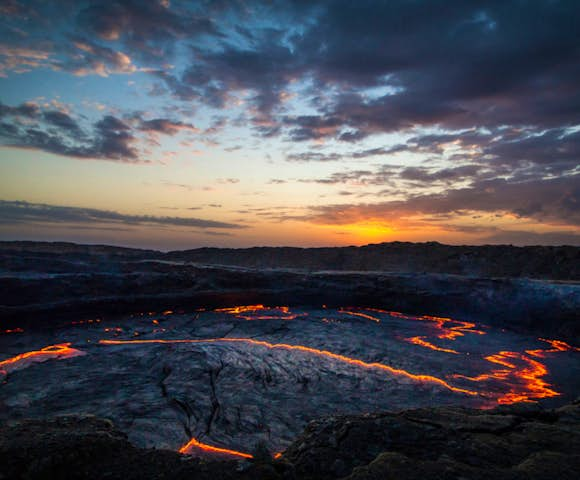
Imagine standing at the edge of the Erta Ale volcano at night, the air thick with the smell of sulfur. The lava lake churns below, a mesmerizing display of molten rock spewing and bubbling with incredible intensity. The ground vibrates beneath your feet. During the day, explore the vast salt flats, where the ground crackles and crunches with every step. The sulfuric springs create vibrant, unnatural colors – yellows, oranges, and greens – painting a surreal picture on the desert floor. The heat is relentless, a constant reminder of the earth's power.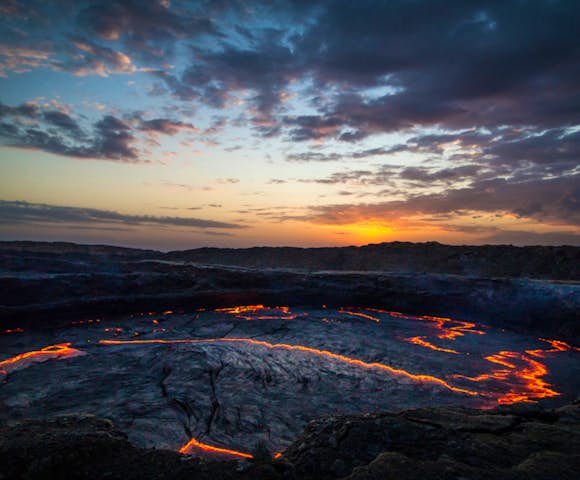
Eco-Tour Operators:
Traveling responsibly in the Danakil is crucial. Support local communities and minimize your impact by choosing reputable eco-tour operators:
- Eritrea Almaz Tours: Known for their commitment to supporting the Afar community and employing local guides.
- Afar Exploration Tours: Prioritizes responsible waste management and environmental protection.
- Danakil Desert Adventure: Offers a range of tours focusing on cultural immersion and environmental awareness.
These operators all strive for Sustainable Desert Tourism while giving you the best possible experience.
Accommodation:
For an authentic experience, consider staying in Ahmed Ela, the village closest to Erta Ale. According to a traveller's blog with images of the guesthouse (search "[Danakil Depression] Ahmed Ela guesthouse images"), you'll find a basic, family-run guesthouse. While precise addresses are rare in such remote locations, asking for directions to "Guesthouse of Mohammed" will likely lead you to your destination.
Survival Tips:
The Danakil Depression is one of the hottest places on Earth, so Desert Survival Skills Guide is vital. Dehydration is a serious threat.
- Hydrate constantly. Drink several liters of water daily.
- Replenish electrolytes. Consider using Nuun tablets to maintain electrolyte balance.
- Wear light-colored, loose-fitting clothing.
- Protect yourself from the sun with a hat, sunglasses, and sunscreen.
Citizen Science:
The Danakil's extreme conditions support unique life forms. Observe and document the halophile microorganisms thriving in the salt ponds. You can contribute your findings to a citizen science project through [iNaturalist (placeholder link - search "Danakil Depression Halophiles iNaturalist")].
Death Valley: Silence, Stars, and Sustainability
Death Valley National Park in California is a land of extremes – the hottest, driest, and lowest national park. Despite its harsh reputation, it offers stunning beauty and a profound sense of solitude, perfect for Death Valley Exploration.
Experiences:
Experience the "roaring silence" of Death Valley, an overwhelming feeling of emptiness and vastness. Hike among the colorful canyons, marvel at the salt flats stretching to the horizon, and witness the mesmerizing shifting sand dunes. At night, Death Valley transforms into an astronomer's paradise. With minimal light pollution, the stargazing opportunities are unparalleled.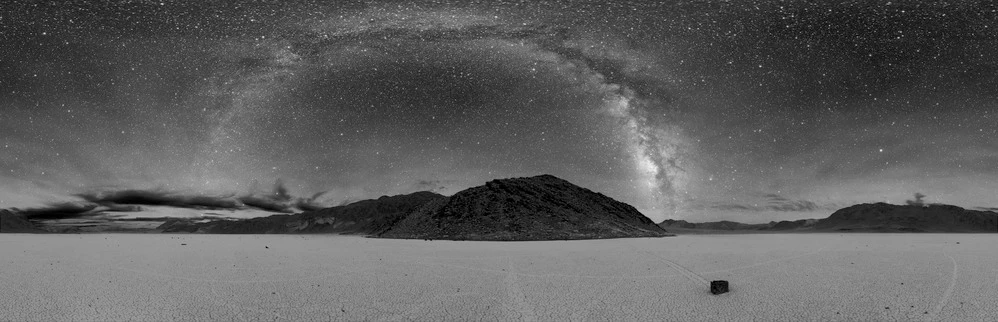
Sustainable Practices:
The Oasis at Death Valley is committed to Death Valley Eco-Tourism.
- The Oasis at Death Valley has implemented measures to significantly reduce water consumption.
- They utilize solar energy to power their operations.
- The resort has achieved LEED certification, demonstrating their commitment to sustainable practices.
Survival Tips:
Death Valley's beauty can be deceiving. Prepare for extreme conditions:
- Be aware of the dangers of flash floods in canyons. Check the National Weather Service's Death Valley webpage on flash flood safety before hiking.
- Carry a personal locator beacon (PLB) in remote areas. The ACR ResQLink View PLB can be a lifesaver in an emergency.
- Bring plenty of water and high-energy snacks.
- Let someone know your itinerary.
Citizen Science:
Participate in citizen science to help monitor Death Valley's fragile ecosystem. Monitor plant life along established trails, noting any changes in distribution or health, and report your findings to the National Park Service (placeholder - search "Death Valley NPS citizen science"). You could also participate in the annual Death Valley BioBlitz (if such an event exists, link to it here; otherwise, create a placeholder suggesting monitoring plant life along established trails and reporting findings to the National Park Service).
Taklamakan Desert: Navigating the Sea of Sand
The Taklamakan Desert in China, one of the largest sandy deserts in the world, presents a formidable challenge to travelers. It is also a treasure of history, sitting along the famed Silk Road.
This makes it another amazing place for Desert Adventure Travel
Experiences:
Imagine the feeling of fine sand swishing against your skin during a sandstorm, the wind whipping around you. Witness the dunes transform into fiery orange and deep purple hues during sunrise and sunset, a spectacle of light and shadow. The Taklamakan offers a truly immersive desert experience.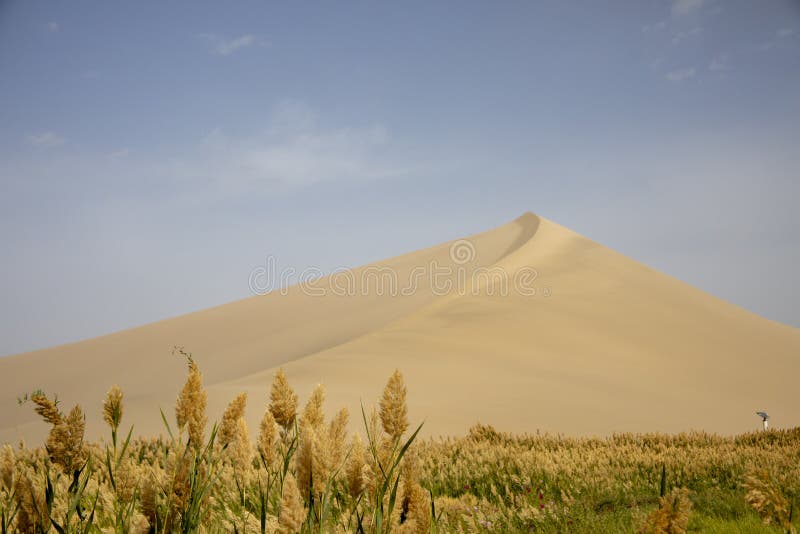
Invasive Species:
The Taklamakan Desert Travel Tips include an awareness of environmental issues. Tamarix chinensis (Chinese Tamarisk) is an invasive species impacting the Taklamakan's delicate ecosystem. It consumes vast amounts of water, depriving native plants and animals of this precious resource. Identify it by its feathery leaves and pink flowers. Learn more from the Xinjiang Institute of Ecology and Geography.
Sustainable Practices:
Local communities are working hard to combat desertification. Support their efforts by participating in or donating to tree-planting initiatives. The "Green Great Wall" project plants trees to hold soil in place and prevent the expansion of the desert. Research planting programs within the region via Chinese environmental NGOs.
Survival Tips:
Navigation is key in the featureless Taklamakan:
- Master map and compass skills.
- Carry a reliable compass, such as the Suunto MC-2 Compass.
- Learn how to read the landscape and identify subtle cues.
- Inform locals of your route plan before setting off
Citizen Science:
Help monitor sand dune movement and contribute to research on desertification. Use a GPS device to record the location of specific dunes and report your data to a relevant research institution studying desertification in the Taklamakan (research and link to such an institution or project, or create a placeholder the user can replace).
Conclusion: Your Conscious Desert Adventure Awaits
The world's deserts offer incredible opportunities for educational and challenging travel. By choosing sustainable practices, supporting local communities, and participating in citizen science, you can minimize your impact and contribute to the preservation of these unique ecosystems. From the volcanic landscapes of the Danakil Depression to the silent expanse of Death Valley and the shifting sands of the Taklamakan Desert, adventure awaits the conscious traveler. Start planning your Desert Adventure Travel today! What are you waiting for, contact us to book a tour today!