Culinary Expeditions in the Namib Desert: A Tast...
The Namib Desert, a land of stark beauty and seemingly endless horizons, holds secrets far beyond its towering dunes. More than just an awe-inspiring landscape, it's a living pantry, offering sustenance and unique flavors to those who know where to look. Join us on a culinary journey through this ancient wilderness, where we'll explore the foraging techniques of the San Bushmen, witness traditional food preparation methods passed down through generations, and discover the surprising therapeutic benefits of its hidden oases. "Ultimate Namib Adventures" offers guided culinary tours, allowing you to experience this extraordinary landscape through its unique flavors, while "Kalahari Cultural Encounters" delves deep into the traditions of the San Bushmen. Prepare to tantalize your taste buds and awaken your soul on this unforgettable Namib Desert expedition.
Foraging in the Namib: A Sustainable Harvest
The Namib Desert, despite its arid appearance, is home to a surprising array of edible plants. Two of the most iconic are the !nara melon and the gemsbok cucumber, both of which have sustained the San Bushmen for millennia. But what are edible plants in Namib Desert?
The !Nara Melon: A Desert Staple
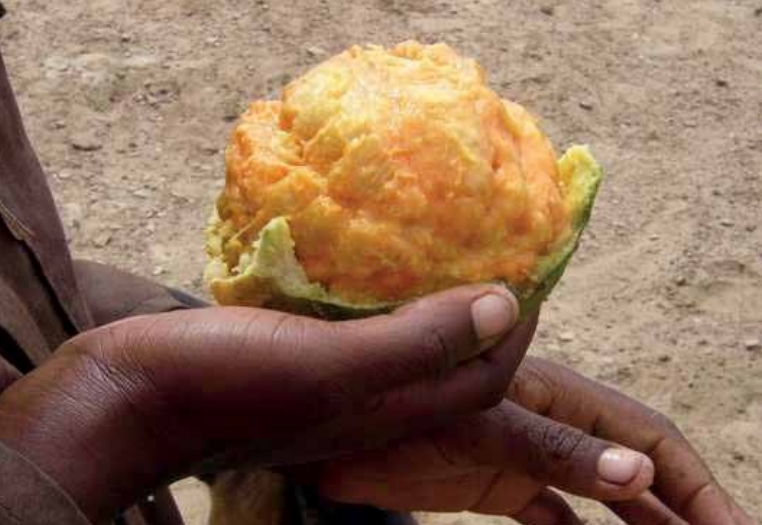
The !nara melon (Acanthosicyos horridus) is a spiny, leafless shrub endemic to the Namib Desert. Its fruit, a large, greenish melon, is a vital source of water and nutrients for both humans and animals. How to forage !nara melons sustainably? The San Bushmen have developed sustainable harvesting techniques, ensuring the plant's survival and continued fruit production. They carefully collect the fallen melons, leaving behind enough for wildlife and future generations. The seeds, roasted and ground, are a rich source of protein and fat.
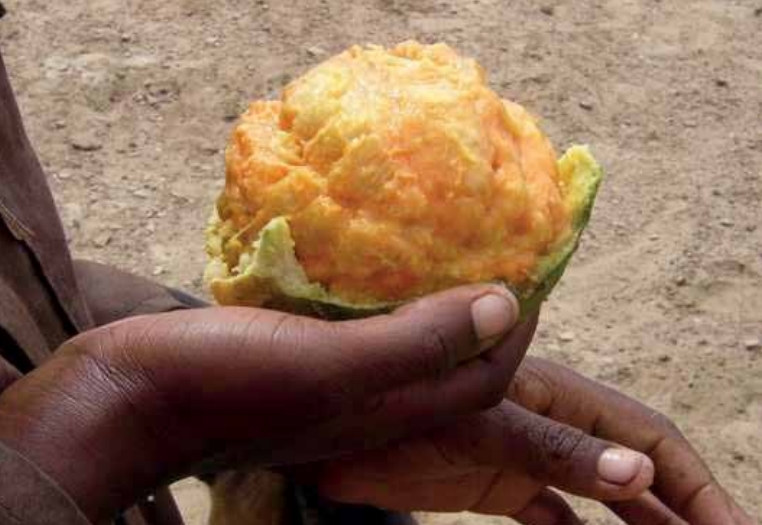
Alt text: A close-up of a !Nara melon growing on a spiny shrub in the Namib Desert, showcasing its importance as a food source and the harsh environment it thrives in.
The Gemsbok Cucumber: A Hidden Hydration Source
The gemsbok cucumber (Acanthosicyos naudinianus), also known as the horned cucumber, is another valuable desert plant. Its fruit, though bitter to the taste for some, is a crucial source of hydration, especially during the driest months. Foraging Namib Desert for gemsbok cucumbers requires a keen eye, as they often lie hidden beneath the sand. The San Bushmen use their intimate knowledge of the land to locate these precious resources.
Traditional Food Preparation: Sand-Baking Under the Stars
Traditional Namibian food preparation methods are deeply intertwined with the desert environment. One of the most fascinating is sand-baking, a technique that utilizes the heat of acacia wood embers to cook food buried in the sand. How is food prepared in the Namib Desert using this ancient method?
The Art of Sand-Baking
Sand baking techniques Namib Desert involve digging a pit, lining it with hot embers from a carefully selected acacia wood fire, wrapping the food in leaves or cloth, and burying it in the heated sand. The food cooks slowly and evenly, absorbing the smoky flavor of the acacia wood. This method is particularly well-suited for preparing meats, such as game or even fish brought from the coast, as well as root vegetables and hearty stews.

Alt text: A demonstration of sand-baking in the Namib Desert, showing the embers of an acacia wood fire being used to heat the sand for cooking, emphasizing the traditional food preparation techniques used by the San Bushmen.
San Bushmen Culture: Storytelling and the Land
The San Bushmen, the indigenous people of Southern Africa, have lived in harmony with the Namib Desert for tens of thousands of years. Their deep connection to the land is reflected in their ancestral wisdom, storytelling, and art. San Bushmen culture Namibia is rich with traditions passed down through generations.
Twyfelfontein: Whispers of the Past
Twyfelfontein, a UNESCO World Heritage Site, is home to one of the largest concentrations of rock engravings in Africa. San Bushmen storytelling Twyfelfontein rock art provides invaluable insights into their beliefs, rituals, and understanding of the natural world. These ancient carvings depict animals, humans, and abstract symbols, offering a glimpse into the spiritual and cultural landscape of the past. Why is Twyfelfontein rock art important? It's a vital record of the San Bushmen's history and their relationship with the Namib Desert. A Twyfelfontein Rock Art Tour offers an interpretive lens into understanding the deep cultural roots of the people.
Tracking the Black Rhino: A Conservation Success Story
The Palmwag concession is a sanctuary for the endangered black rhino. The San Bushmen's exceptional tracking skills are crucial in monitoring and protecting these magnificent creatures. Where to see black rhino Palmwag concession? Observing a San tracker decipher the spoor (tracks) of a black rhino is an unforgettable experience, demonstrating their intimate knowledge of the desert ecosystem. The Rhino Spoor tracking in Palmwag shows the deep connection between conservation and San Bushmen traditions.
Wild Swimming and Cold Exposure: Desert Oasis Therapy
The Namib Desert isn't just about scorching sands and arid landscapes. It also holds hidden oases where you can experience the invigorating power of wild swimming and cold exposure therapy.
Sesriem Canyon: A Geological Wonder and Natural Pool
Sesriem Canyon, carved by the Tsauchab River over millions of years, is a dramatic geological formation with naturally occurring pools of cool, clear water. Where can I go wild swimming in Namibia? A dip in these pools offers a refreshing respite from the desert heat and a unique opportunity to connect with nature.
Purros: A Hidden Oasis of Life
The remote oasis of Purros is a true desert paradise, fed by underground springs that support a lush ecosystem of palm trees, grasses, and wildlife. The cool water of Purros offers a therapeutic contrast to the harsh desert environment, providing the same benefits of cold exposure therapy: increased circulation, reduced inflammation, and a boost to the immune system. What are the therapeutic benefits of wild swimming in cold water? The experience is both physically and mentally rejuvenating.

Alt text: An oasis in the Namib Desert, showcasing lush vegetation and water, providing a stark contrast to the surrounding arid landscape and highlighting the possibilities for wild swimming and cold exposure therapy.
Embark on Your Namib Desert Adventure
Ready to embark on your own culinary expedition in the Namib Desert? "Ultimate Namib Adventures" offers guided culinary tours led by experienced local chefs, while "Kalahari Cultural Encounters" provides immersive experiences with the San Bushmen, allowing you to learn about their ancient traditions and sustainable way of life. Are there any foraging tours in Namibia? Yes! These tours offer a unique and unforgettable way to experience the beauty and bounty of the Namib Desert, leaving you with a newfound appreciation for the wisdom of the San Bushmen and the resilience of life in this extraordinary landscape. Book Namib Desert culinary tour today and create memories that will last a lifetime.