Cosmic Calm: Stargazing in Luxury at Explora Ata...
The Atacama Desert. Just uttering the name conjures images of stark beauty, otherworldly landscapes, and, perhaps most importantly, unparalleled dark skies. As a 29-year-old astrophysicist and astrophotographer, I’m constantly chasing the perfect dark sky, and the Atacama, with its high altitude, hyper-arid climate, and minimal light pollution (often exceeding 7.5 NELM – Naked Eye Limiting Magnitude), has always been high on my list. My recent stay at Explora Atacama, nestled in the relatively dark area surrounding San Pedro de Atacama, wasn’t just a vacation; it was a pilgrimage to one of the best stargazing locations on Earth. The resort's commitment to minimizing light pollution through shielded lighting and responsible outdoor lighting practices made it the perfect base for my cosmic explorations, blending luxury with unparalleled astronomical access.
A Dark Sky Sanctuary: Why Atacama Reigns Supreme for Dark Sky Tourism
The Atacama Desert's unique conditions make it a haven for astronomers and astrophotographers alike. Its high altitude means less atmosphere to look through, reducing distortion and light absorption. The hyper-arid climate ensures minimal cloud cover, resulting in an astounding number of clear nights each year. Crucially, the region benefits from low population density and a concerted effort to control light pollution, making it one of the darkest places on the planet. This makes even faint celestial objects visible to the naked eye, something increasingly rare in our light-polluted world. The Explora Atacama resort takes this seriously with its minimal lighting policy.
Explora Atacama: Where Luxury Meets the Cosmos
Explora Atacama is more than just a luxury resort; it's a gateway to the universe. From the moment I arrived, I was struck by the harmonious blend of comfort and wilderness. The architecture seamlessly integrates with the surrounding landscape, and the rooms are designed to provide a tranquil retreat after a night of stargazing. Delicious meals featuring local ingredients fueled my explorations, and the spa treatments soothed my muscles after long hours spent under the stars. But the real draw was the resort’s astronomy program.
Diving Deep into the Night Sky with Explora Atacama's Astronomy Program
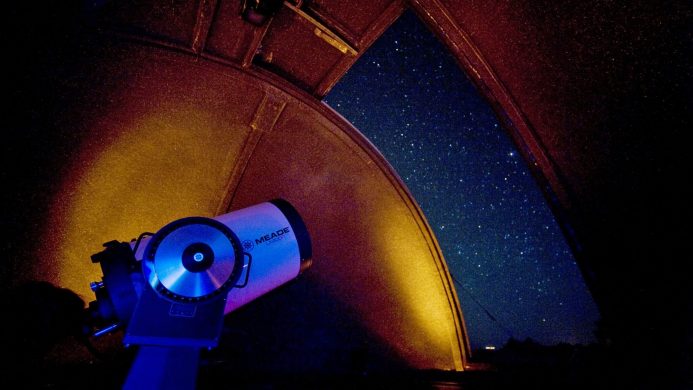
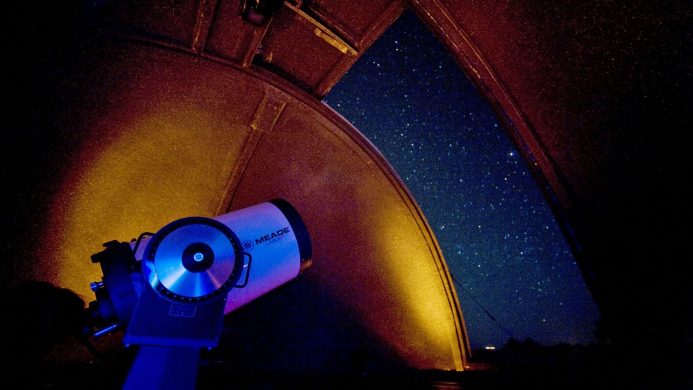
Explora Atacama boasts its own on-site observatory equipped with high-powered Schmidt-Cassegrain telescopes with 14-inch apertures. Under the guidance of their resident astronomer, I spent hours exploring the wonders of the southern sky. Viewing the Carina Nebula, a vast cloud of gas and dust where stars are born, through the telescope was breathtaking. Its intricate structure and vibrant colors were even more stunning than I had imagined. The Magellanic Clouds, two dwarf galaxies orbiting our own Milky Way, were also a sight to behold, appearing as hazy patches of light in the dark sky.
Anya's Astrophotography Experience: Capturing the Cosmic Dance in the Atacama Desert night sky.
Beyond the guided stargazing sessions, Explora Atacama offered an astrophotography workshop, a dream come true for someone like me. I learned to capture deep-sky images using a portable equatorial mount to compensate for Earth's rotation, and stacking software to reduce noise and enhance faint details.
I employed specific astrophotography techniques that are pivotal in bringing the distant galaxies to life. Using a star tracker was crucial to compensate for the Earth's rotation, allowing for longer exposures without star trails. I also captured multiple exposures of the same object and stacked them using specialized software like PixInsight to reduce noise and bring out those incredibly faint details. The key is to understand that each step, from the initial capture to the final processing, contributes to the final image.
One of my most memorable astrophotography experiences was capturing the Milky Way core, visible low on the horizon. Using my wide-angle 14mm f/2.8 lens, I captured a long exposure (30 seconds at ISO 3200) that revealed the stunning details of our galactic center.
Essential Equipment for Astrophotography in Atacama
Here's a list of some astrophotography equipment to ensure you capture the best quality images.
- DSLR or Mirrorless Camera: A camera with manual controls and the ability to shoot in RAW format is essential.
- Wide-Angle Lens: A lens with a wide aperture (f/2.8 or faster) is ideal for capturing the Milky Way.
- Telephoto Lens: A lens with a longer focal length (200mm or more) is useful for capturing details of nebulae and galaxies.
- Star Tracker: A device that compensates for the Earth's rotation, allowing for longer exposures without star trails.
- Tripod: A sturdy tripod is essential for keeping your camera stable during long exposures.
- Intervalometer: A device that allows you to program your camera to take a series of exposures automatically.
- Light Pollution Filter: A filter that reduces the amount of light pollution in your images.
- Dew Heater: A device that prevents dew from forming on your lens.
Finding Tranquility Under Chilean Constellations
The beauty of Explora Atacama lies in its ability to offer both adventure and relaxation. After a night spent marveling at distant galaxies, I would retreat to my comfortable room, feeling a sense of profound connection to the cosmos. The days were filled with exploring the dramatic desert landscape, hiking through canyons, and soaking in the natural hot springs. The contrast between the tranquility of the desert night and the stimulation of exploring the cosmos was truly invigorating.
What Makes the Atacama Desert Ideal for Stargazing?
The Atacama Desert's elevation, dryness, and lack of light pollution create unparalleled conditions for stargazing. Situated at a high altitude, the air is thinner, meaning less atmospheric interference. Additionally, the desert's hyper-arid climate ensures minimal cloud cover, offering clear skies for most of the year. And, because this is a desert, the population density is extremely low, so there are fewer issues with light pollution.
Why Choose Explora Atacama?
There are many options for luxury travel, so here are three reasons why I'd choose Explora Atacama.
- The resort's location in one of the darkest areas of the Atacama Desert provides unparalleled access to the night sky, ideal for stargazing and astrophotography.
- Explora Atacama offers a range of guided excursions to explore the stunning desert landscape and learn about the local culture and environment.
- The resort's commitment to sustainability and responsible tourism ensures that your stay has a minimal impact on the fragile desert ecosystem.
Light Pollution Levels at Explora Atacama
The light pollution levels at Explora Atacama are minimal, allowing for exceptional stargazing experiences. The resort's location away from major urban centers, combined with its commitment to responsible lighting practices, creates a dark sky environment where even faint celestial objects are visible.
Can you Rent Telescopes at Explora Atacama?
Yes, Explora Atacama offers telescope rentals for guests interested in exploring the night sky on their own. The resort also provides guided stargazing sessions with experienced astronomers who can help you navigate the constellations and identify celestial objects.
Astrophotography Tips for Beginners in Atacama
Here are some of my tips for beginners:
- Start simple: Begin with wide-field shots of the Milky Way to get a feel for capturing the night sky.
- Master the basics: Learn how to focus at infinity and properly expose your images.
- Use a star tracker: This will greatly improve your ability to capture sharp, detailed images of stars and nebulae.
- Process your images: Software like PixInsight can help you bring out faint details and reduce noise.
The Call of the Cosmos: Supporting Dark Sky Preservation
My experience at Explora Atacama was more than just a vacation; it was a reminder of the importance of preserving our dark skies. Light pollution not only obscures our view of the universe but also has detrimental effects on wildlife, human health, and energy consumption. We have a responsibility to protect these precious dark sky resources for future generations. As a bonus, you get to stay in a luxury hotel while doing it.

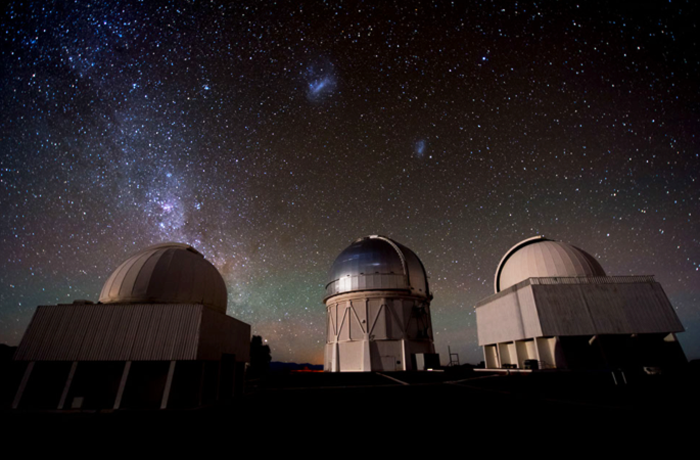
Join me in supporting dark sky preservation efforts by visiting the International Dark-Sky Association (IDA) website: IDA website. Learn about the impact of light pollution on astronomical research and the natural environment. The darkness of the Atacama is rare, and the effort to keep it that way is critical. Consider a trip to Explora Atacama, not just for the luxury, but for the chance to reconnect with the cosmos in one of the darkest, most beautiful places on Earth. And, to see the commitment of light conservation, check out the image below.

If you're ready to embark on your own luxury stargazing adventure, explore Explora Atacama's astronomy program and book your stay today!