Conquering the Trans-Zion Trek: A 3-Day Backpack...
5:30 AM. Headlamps danced in the pre-dawn gloom, a symphony of shuffling boots and hushed whispers filling the air. The scent of stale coffee hung heavy, mingling with the nervous anticipation that only a backcountry permit desk can conjure. Brenda, a middle-aged ranger with a nametag and a perpetually unimpressed expression, eyed me over her spectacles. "So, you think you're tough enough for the Trans-Zion, huh? Let's see if you can handle these permit regulations first." Forget the postcard views; the real Zion is in the backcountry… if you can snag a permit.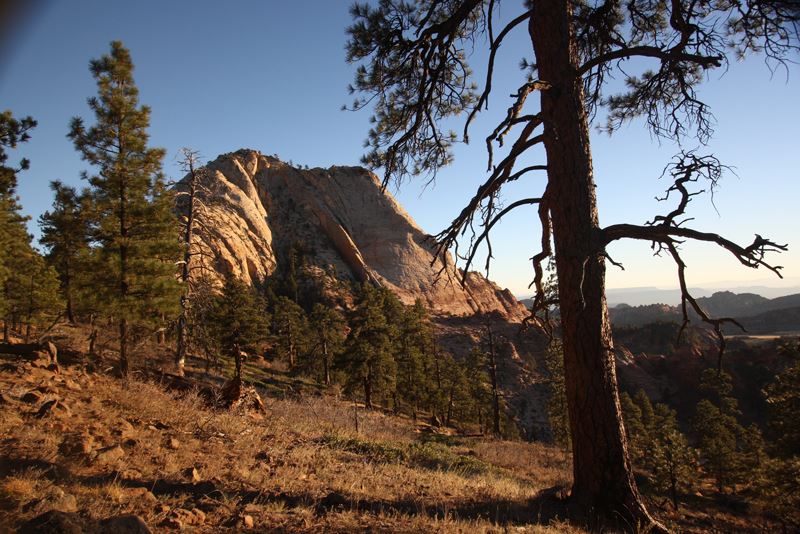
The Trans-Zion Trek. Just the name conjures images of towering sandstone cliffs, endless vistas, and the raw, untamed beauty of Zion National Park. As a seasoned backpacker always seeking a challenge, this 48+ mile traverse had been on my radar for years. I finally conquered it in late October, and let me tell you, the reality exceeded the hype. Here’s my experience, along with some crucial tips for experienced backpackers ready to tackle this epic adventure.
Day One: Lee Pass and the Agony of Ascent
The first day hits hard. The climb out of Lee Pass is agonizingly steep, a brutal introduction to the demands of the Trans-Zion Trek. Imagine the sun relentlessly beating down on your back, each switchback mocking your ambition. The loose dirt turned every step forward into two steps back. There's no sugarcoating it – this is where you question your life choices.
However, reaching the top brings a reward unlike any other. The air suddenly cools, a refreshing contrast to the furnace below. Panoramic views explode across the horizon, the vast wilderness of Zion unfolding before you in all its glory. That initial burst of triumph – that’s what makes the pain worthwhile. Ensure your pack is dialed. I relied on my Osprey Atmos AG 65, and it made a world of difference.
Osprey Atmos AG 65 Backpack Review
The Osprey Atmos AG 65 isn't just a backpack; it's a game-changer for multi-day treks. What stood out was the Anti-Gravity suspension system. It felt like the pack was hugging my back, distributing the weight evenly and eliminating pressure points. On a grueling climb like that out of Lee Pass, this was invaluable.
The easily accessible hipbelt pockets were perfect for stashing snacks for quick energy boosts. The external hydration sleeve made refilling my water reservoir a breeze, vital for staying hydrated in the arid climate. The capacity was ideal for carrying all my gear for a 3-day trip without feeling overly bulky. If you're serious about Zion backpacking, invest in this pack.
Day Two: Solitude and the Kolob Arch
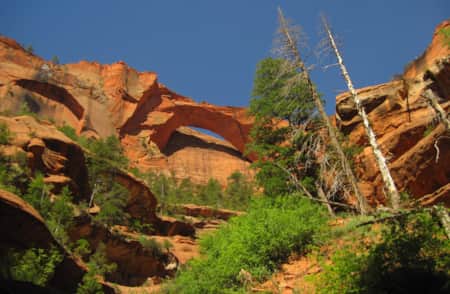
Day two offered a surprising contrast to the previous day’s intensity. Despite the Kolob Arch being a popular area, I found myself enveloped in almost complete solitude. Filtered sunlight dappled through the towering pines, the soft crunch of pine needles underfoot the only sound besides the gentle breeze. I confess, I checked my GPS more than once, half-convinced I was hallucinating the trail.
The quiet of the forest was profound, the scent of pine needles intoxicating. It was a welcome opportunity to reconnect with nature and reflect on the journey so far. Keep an eye out for desert bighorn sheep along the slopes, but remember to keep a safe distance and avoid feeding them. Responsible wildlife viewing is crucial to preserve their natural habitat.
Day Three: Water Management and the East Entrance
Day three presented a different challenge: water management. The stretch between campsite 6 and campsite 8 is notoriously dry. The parched earth and wilting vegetation served as constant reminders of the desert's harsh reality. My Sawyer Squeeze water filter became my lifeline.
I had to filter water from a murky, stagnant pool – not ideal, but necessary. The overwhelming relief of finally reaching a reliable spring with cold, clear water gurgling up from the earth was indescribable. This is where you truly appreciate the value of a reliable water filtration system.
Sawyer Squeeze Water Filter Review
The Sawyer Squeeze water filter is an essential piece of gear for any Zion backpacking trip. Its lightweight design and ease of use are major selling points. I've used it on countless trips, and it has never failed me. On the Trans-Zion Trek, it was a lifesaver.
Filtering water from that questionable creek gave me peace of mind. The flow rate is excellent, and the durability is impressive. If you don't already own a Sawyer Squeeze, add it to your shopping list now.
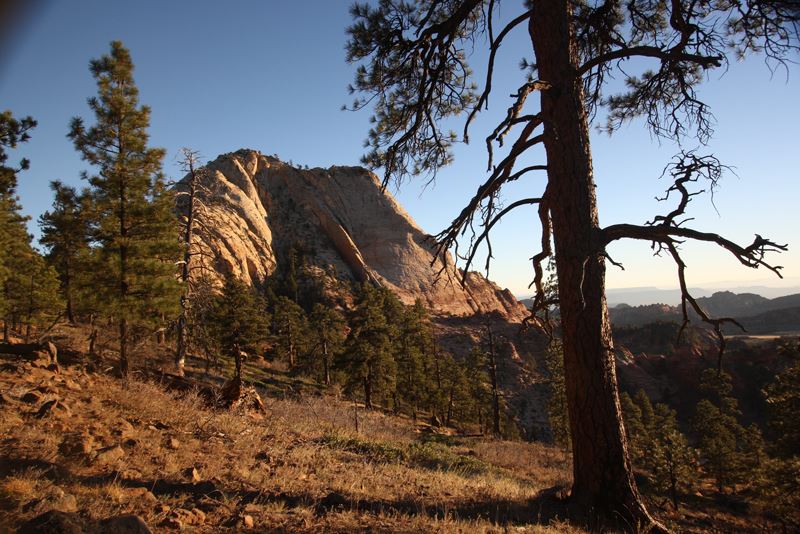
Instead of finishing at The Grotto, I opted to exit via the East Entrance. The East Mesa Trail offered unique scenery: lush meadows, towering ponderosa pines, and panoramic views of Zion Canyon I hadn’t expected. The drive down the Zion-Mount Carmel Highway, with its hairpin turns and stunning vistas, was the perfect ending to the adventure.
Big Agnes Copper Spur HV UL2 Tent Review
Nights on the trail can be unpredictable, and having a reliable shelter is paramount. The Big Agnes Copper Spur HV UL2 tent proved its worth. Its spaciousness was a welcome relief after long days of hiking, and the lightweight construction meant it didn't add unnecessary weight to my pack.
One night, a windstorm raged through the canyon. The Copper Spur stood firm, the fabric taut and unyielding, the interior remaining dry and comfortable despite the howling wind outside. It's a tent I trust in any condition.
Fueling the Adventure: Food and Hydration
Backpacking isn't just about the scenery; it's also about the food! After a long day on the trail, nothing beats a hot meal. The Mountain House Chicken Fried Rice was surprisingly delicious. The savory aroma filled the air, providing a much-needed morale boost.
ProBar Meal bars, particularly the Peanut Butter Chocolate Chip flavor, were a convenient and nutritious source of energy for long hiking days. And don't forget hydration! I highly recommend Nuun tablets in Lemon Lime flavor for combating dehydration in the desert environment. Electrolytes are essential.
Capture the Moment: Photography Tips
The Trans-Zion Trek offers endless photographic opportunities. To reduce glare on the sandstone cliffs, especially during midday, use a polarizing filter. It will enhance the colors, making the reds and oranges more vibrant.
For shooting star trails at night, use a wide-angle lens, set your camera to a low aperture (e.g., f/2.8), and use a long exposure time (e.g., 30 minutes or longer). The Kolob Arch area offers minimal light pollution, making it an ideal location. The West Rim Trail viewpoint overlooking Angels Landing is particularly stunning during golden hour. Arrive early and scout your location in advance to capture the best light.
The Nitty-Gritty: Permits and Safety
Securing a Trans-Zion Trek permit requires planning. Visit recreation.gov, create an account, and apply during the lottery window (typically in February). Alternative options include backpacking the West Rim Trail (requiring a separate permit) or exploring the Kolob Canyons section on shorter day hikes.
The desert environment poses unique challenges. Heat exhaustion and dehydration are serious risks, especially during the summer months. Drink plenty of water, wear lightweight clothing, and seek shade during the hottest part of the day. Flash floods are a risk in narrow canyons, such as The Narrows. Avoid slot canyons when rain is forecast and be aware of weather conditions. Navigating exposed sections of the trail, such as the West Rim Trail, requires caution. Use trekking poles for stability, especially when carrying a heavy backpack. Satellite communicators are a MUST! Cell service is non-existent in most areas, particularly on the plateau sections of the trek. A Garmin inReach or similar device is essential for emergencies.
Along the Way: Cedar Breaks National Monument
Planning a drive? Allow extra time for Cedar Breaks – its altitude is breathtaking! Cedar Breaks National Monument is a notable landmark along the drive to or from Zion National Park. Its unique amphitheater-shaped canyon and the vibrant colors of its rock formations create a stunning visual spectacle. The play of light and shadow across the rocks during sunrise or sunset is unforgettable.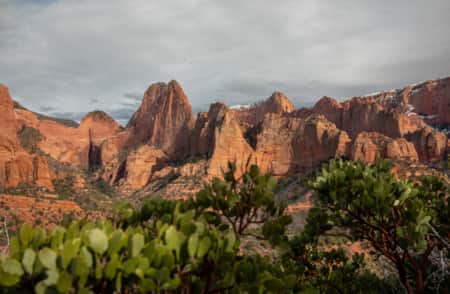
The Plateau: Rugged Beauty and Sparse Vegetation
Forget emerald pools. The terrain of the plateau region is rugged, with sparse vegetation consisting of scrub brush and juniper trees. But the expansive views of the surrounding wilderness stretching to the horizon are unparalleled. The solitude and sense of remoteness are profound.
Ready to Conquer?
The Trans-Zion Trek is not for the faint of heart. It’s a challenging but incredibly rewarding experience that will test your limits and leave you with memories that will last a lifetime. The unique backcountry, the stunning landscapes, and the sense of accomplishment make it a truly unforgettable adventure. Ready to conquer the Trans-Zion Trek? Start planning your odyssey today! Be sure to bring layers for those cold October nights.