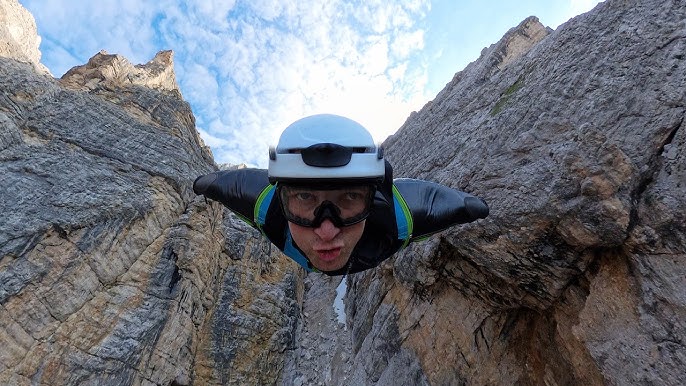
Conquering Mountains: Extreme Adventures in Unta...
Are you an experienced adventurer seeking the ultimate challenge? Do you crave the thrill of pushing your limits in breathtaking, untouched landscapes? At Vista Location, we understand that wanderlust that drives you to explore the most remote and demanding corners of the world. This isn't your average travel guide; we're diving deep into some of the most extreme mountain adventures the planet has to offer. From scaling sheer rock faces to traversing volcanic terrains, prepare to be inspired by these authentic mountain experiences and discover how to embark on your own unforgettable journey into untamed mountain landscapes.
Extreme Via Ferrata: Conquering the Brenta Dolomites' Sentiero Bocchette Alte
The Sentiero Bocchette Alte in the Brenta Dolomites is not just a Via Ferrata; it's a historical pilgrimage for mountaineers. This exposed route, equipped with steel cables and ladders, carves its way through the heart of the Italian Alps, offering unparalleled views and heart-pumping excitement.
A Detailed Itinerary for the Sentiero Bocchette Alte
This itinerary assumes you are an experienced climber with a good level of fitness. Adjust timings as needed based on your skill level.
- Day 1: Rifugio Vallesinella to Rifugio Tuckett (approx. 3 hours): Begin your journey at Rifugio Vallesinella, a popular starting point. Hike towards Rifugio Tuckett, acclimatizing to the altitude and enjoying the initial scenic trails. This day serves as a warm-up before the challenging Via Ferrata sections.
- Day 2: Rifugio Tuckett to Bocca di Brenta (approx. 6-8 hours): This is where the real adventure begins. From Rifugio Tuckett, ascend to the start of the Via Ferrata. You'll encounter exposed sections, metal ladders, and stunning views of the surrounding peaks. The route leads you to Bocca di Brenta, a high mountain pass.
- Day 3: Bocca di Brenta to Rifugio Pedrotti (approx. 4-6 hours): Continue along the Sentiero Bocchette Alte, traversing more challenging terrain and enjoying panoramic vistas. The final destination for the day is Rifugio Pedrotti, a well-known mountain hut perched on a rocky outcrop.
- Day 4: Rifugio Pedrotti to Rifugio Brentei (approx. 5-7 hours): This stage involves navigating more Via Ferrata sections, including the Via delle Bocchette Centrali. The descent towards Rifugio Brentei offers spectacular views of the Brenta Dolomites.
- Day 5: Descent to Madonna di Campiglio (approx. 3-4 hours): From Rifugio Brentei, descend towards Madonna di Campiglio, a charming mountain town. This marks the end of your Sentiero Bocchette Alte adventure.
Difficulty Level: Challenging. This Via Ferrata requires a good level of fitness, experience with exposed sections, and a head for heights.
Required Equipment:
- Harness: A well-fitting climbing harness is essential.
- Helmet: Protect your head from falling rocks.
- Via Ferrata Set: This includes energy-absorbing lanyards and carabiners specifically designed for Via Ferratas.
- Gloves: Protect your hands from the steel cables.
- Hiking Boots: Sturdy hiking boots with good ankle support.
- Backpack: For carrying water, food, and extra layers.
- Appropriate Clothing: Layers are key, as the weather in the mountains can change rapidly.
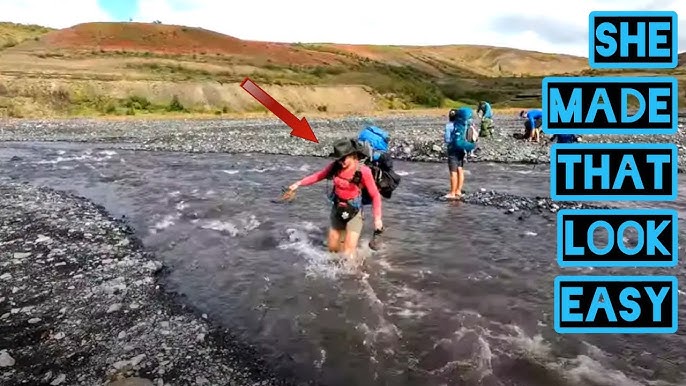
Navigating Exposed Sections, Altitude Sickness, and Weather
- Exposed Sections: Maintain three points of contact at all times. Always clip both carabiners of your Via Ferrata set to the steel cable, unclipping and re-clipping one at a time.
- Altitude Sickness: Ascend gradually to allow your body to acclimatize. Stay hydrated and avoid alcohol. If you experience symptoms of altitude sickness, descend immediately.
- Weather Considerations: The weather in the Dolomites can be unpredictable. Check the forecast before you go and be prepared for sudden changes. Be aware of the risk of thunderstorms, especially in the afternoon.
Historical Significance and Stunning Views
The Sentiero Bocchette Alte was originally constructed during World War I for military purposes. Today, it serves as a reminder of the region's history and offers a unique perspective on the Dolomites. The views are simply breathtaking, with panoramic vistas of towering peaks, glaciers, and verdant valleys.
Accommodation Options
- Rifugios: Mountain huts (rifugios) offer accommodation and meals along the Sentiero Bocchette Alte. Booking in advance is essential, especially during peak season. Popular rifugios include Rifugio Tuckett, Rifugio Pedrotti, and Rifugio Brentei. You can typically book these online through their respective websites or by contacting them directly.
- Madonna di Campiglio: This charming town at the base of the Brenta Dolomites offers a range of hotels, guesthouses, and apartments.
Mountain Hiking Trails: Beyond the Tourist Trail
The Laugavegur & Fimmvörðuháls Combo: Iceland's Volcanic Traverse
Iceland's Laugavegur trail is famous, but combine it with the Fimmvörðuháls pass for an unforgettable, challenging mountain trek through volcanic landscapes. This multi-day hike takes you through geothermal areas, over lava fields, and past stunning glaciers.
- Day 1: Landmannalaugar to Hrafntinnusker (approx. 12 km, 4-5 hours): Start in Landmannalaugar, known for its colorful rhyolite mountains and natural hot springs. Hike to Hrafntinnusker, the highest point of the Laugavegur trail.
- Day 2: Hrafntinnusker to Álftavatn (approx. 12 km, 5-6 hours): Descend into a volcanic landscape with steaming vents and obsidian fields. Cross a few unbridged streams. Arrive at Álftavatn lake, surrounded by green hills.
- Day 3: Álftavatn to Emstrur (approx. 15 km, 6-7 hours): Cross more rivers and hike through black sand deserts. The landscape becomes more dramatic, with views of glaciers in the distance.
- Day 4: Emstrur to Þórsmörk (approx. 15 km, 6-7 hours): Hike through canyons and past the towering Eyjafjallajökull glacier. This day includes the infamous river crossing of the Þröngá river (often requires wading).
- Day 5: Þórsmörk to Fimmvörðuháls pass (approx. 16 km, 7-8 hours): Begin the Fimmvörðuháls section. Climb steeply past waterfalls and between the Eyjafjallajökull and Mýrdalsjökull glaciers. This section is known for its fresh lava field from the 2010 eruption.
- Day 6: Fimmvörðuháls pass to Skógar (approx. 15 km, 6-7 hours): Descend past 26 waterfalls along the Skógafoss river, eventually reaching the town of Skógar.
River Crossings: Water levels can fluctuate dramatically depending on the weather. Use trekking poles for stability and unbuckle your backpack in case you need to ditch it. Consider wearing river shoes or sandals.
Hut Reservations: Book well in advance (months ahead), especially for peak season. The Icelandic Touring Association (Ferðafélagið Íslands) manages hut reservations: https://www.fi.is/en.
Lava Field: Be prepared for uneven terrain and loose rocks. The lava field is a unique and fascinating landscape, but it can be challenging to navigate.
Waterproof Gear: Essential. Iceland's weather is notoriously unpredictable.
Navigation Skills: While the Laugavegur trail is generally well-marked, the Fimmvörðuháls pass can be more challenging. A map, compass, and GPS device are recommended.
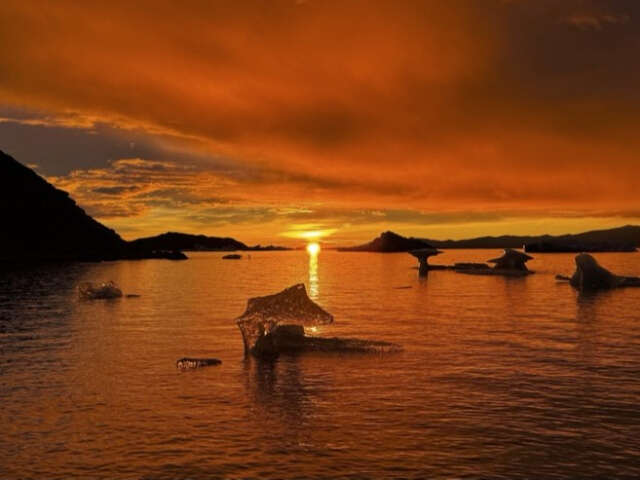
The Huemul Circuit, Patagonia: A Challenging, Untamed Alternative to Fitz Roy
For those seeking a truly remote mountain expedition in Patagonia, the Huemul Circuit offers a demanding alternative to the popular Fitz Roy treks. This circuit around the Southern Patagonian Ice Field is not for the faint of heart, requiring strong navigation skills and experience with glacier travel.
Permits: Required. Obtain permits from the Administración de Parques Nacionales in El Chalten.
Ferry Crossing: A ferry crossing across Lago Viedma is necessary to access the starting point of the circuit. Contact Patagonia Aventura (https://patagonia-aventura.com/en/) for schedules and prices. Book well in advance, as space is limited.
Unmarked Trails: The Huemul Circuit is notoriously poorly marked. Strong navigation skills, including the ability to use a map, compass, and GPS device, are essential.
Glacier Travel: The circuit involves crossing glaciers, requiring experience with crampons and ice axes. Consider hiring a guide if you lack glacier travel experience.
Remote and Challenging: Be prepared for unpredictable weather, challenging terrain, and a lack of facilities. This is a truly remote and demanding trek.
Beyond the Tourist Trail: Exploring the Upper Tiger Leaping Gorge's Naxi Villages
Escape the crowds and discover the authentic mountain experiences of the Upper Tiger Leaping Gorge in Yunnan, China. This multi-day hike takes you through stunning scenery and allows you to connect with local Naxi communities.
Responsible Tourism: Support local economies by staying in homestays and purchasing goods from local vendors. Be respectful of Naxi culture and customs. Minimize your environmental impact by packing out all your trash and avoiding single-use plastics.
Homestay Options: Several villages in the Upper Tiger Leaping Gorge offer homestay accommodation. Popular options include Walnut Garden and Halfway Guesthouse.
Cultural Etiquette: Remove your shoes before entering a Naxi home. Ask permission before taking photos of people. Be respectful of local customs and traditions.
Environmental Impact: Pack out all your trash. Avoid using single-use plastics. Stay on designated trails to avoid damaging vegetation.
Trail Descriptions: The Upper Tiger Leaping Gorge offers a variety of hiking trails, ranging from easy to challenging. The High Trail offers stunning views of the gorge, while the Lower Trail provides a closer look at the Jinsha River. Be aware of potential hazards, such as landslides. Check local conditions before setting out.
Mountain Destinations and Views: Capture the Untamed Beauty
Off-Season Sapa: Experiencing the Mystical Beauty of Fog-Covered Rice Terraces
Visiting Sapa, Vietnam, during the off-season (November-March) offers a unique and magical experience. The fog-covered rice terraces create a mystical atmosphere, and the crowds are significantly smaller.
Transportation Options: Take an overnight train from Hanoi to Lao Cai, then a bus or taxi to Sapa. Alternatively, you can take a direct bus from Hanoi to Sapa.
Accommodation Choices: Sapa offers a range of accommodation options, from budget-friendly hostels to luxurious hotels. Consider staying in a homestay for a more authentic experience.
Activities: Visit local markets, hike through villages, and enjoy the stunning scenery. The off-season is a great time to experience the local culture without the crowds.
Warm Clothing: Essential. The weather in Sapa can be cold and damp during the off-season.
Unpredictable Weather: Be prepared for rain, fog, and cold temperatures.
Sunrise at the Riffelsee: Capturing the Perfect Reflection of the Matterhorn
For photographers, capturing the perfect sunrise reflection of the Matterhorn in the Riffelsee lake near Zermatt, Switzerland, is a must.
Timing: Late September/early October offers the best chance of calm water and clear skies.
How to Reach the Riffelsee: Take the Gornergrat Railway from Zermatt to the Riffelsee station. Alternatively, you can hike to the Riffelsee from Zermatt (approx. 2-3 hours).
Best Vantage Points: The best vantage points are along the edge of the Riffelsee lake, offering unobstructed views of the Matterhorn.
Equipment Recommendations: Tripod, wide-angle lens, and polarizing filter.
Beyond Bungee Jumping: Discovering Queenstown's Backcountry Ski Touring
Queenstown, New Zealand, is known for its adventure sports, but beyond the bungee jumping lies incredible opportunities for backcountry ski touring.
Specific Locations: The Remarkables, Coronet Peak, and Cardrona offer a variety of backcountry ski touring terrain.
Avalanche Safety Considerations: Backcountry skiing involves inherent risks. Take an avalanche safety course and always check the avalanche forecast before heading out.
Gear Requirements: Avalanche transceiver, shovel, probe, skis or splitboard, climbing skins.
Avalanche Safety Courses: Several companies in Queenstown offer avalanche safety courses.
Snow Conditions: Check snow conditions before heading out. Be aware of the risks of avalanches and changing weather.
Responsible Tourism Considerations
Throughout your mountain adventures, remember the importance of responsible tourism. Minimize your environmental impact by packing out all your trash, staying on designated trails, and avoiding single-use plastics. Respect local cultures by learning about their customs and traditions. Support local economies by staying in locally owned accommodations and purchasing goods from local vendors. By traveling responsibly, you can help protect these incredible landscapes for future generations.
Ready to embark on your own extreme mountain adventure? Discover more and plan your unforgettable trip today at VistaLocation.com.
Death-Defying Sunrise: Sentiero Bocchette Video Concept:
Imagine the sun rising over the Dolomites, painting the peaks in gold. A climber's gloved hand grips a metal rung on a Via Ferrata, boots kicking away loose rock. This is the Sentiero Bocchette. Suddenly, a marmot pops out from a crevice, chirping inquisitively. The climber laughs, a genuine smile lighting up their face as the camera reveals the breathtaking panorama. This is extreme mountain adventures at its finest.