Conquer the Wild: Three Epic Multi-Day Treks for...
Are you an adventurous soul with a passion for preserving our planet? Do you dream of traversing rugged mountain landscapes, pushing your physical limits, and immersing yourself in untouched wilderness? Then prepare to be inspired! This blog post unveils three extraordinary multi-day treks in remote mountain destinations, each offering unparalleled challenges, breathtaking scenery, and a strong commitment to conservation. We'll delve into the nitty-gritty details, from permit requirements to essential gear, all while emphasizing responsible travel practices that minimize your environmental impact and support local communities. Get ready to explore the untamed beauty of Patagonia, Ethiopia, and the Canadian Rockies – responsibly.
Section 1: The Torres del Paine "O" Circuit, Patagonia, Chile
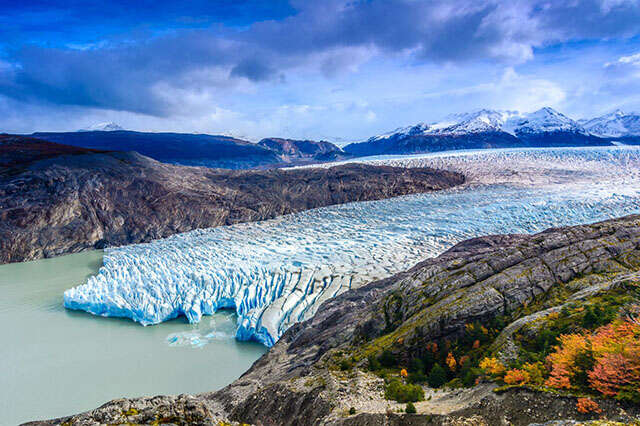
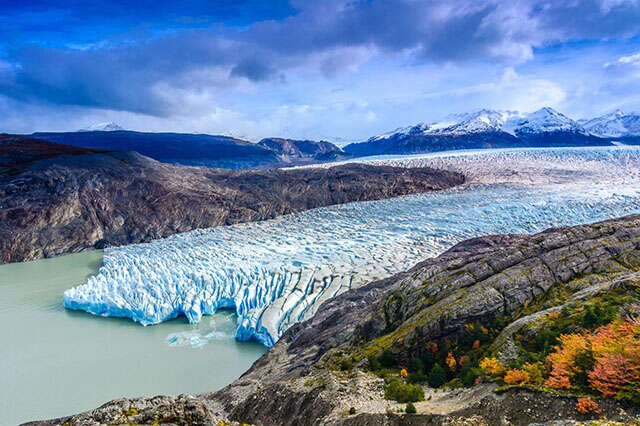
The Torres del Paine National Park in Chilean Patagonia is a world-renowned trekking destination, and while the "W" trek gets most of the attention, the full "O" Circuit offers a more immersive and challenging experience. This roughly 130-kilometer loop takes you around the entire Paine massif, including the less-traveled backside, rewarding you with stunning views and a sense of solitude that the "W" simply can't match.
Challenges of the "O" Circuit
The "O" Circuit is not for the faint of heart. You'll face unpredictable Patagonian weather, including fierce winds, rain, and even snow, regardless of the time of year. Strenuous climbs over mountain passes like the John Gardner Pass, with its notoriously unpredictable conditions, and numerous river crossings demand both physical and mental fortitude. Limited resupply options mean you'll need to carry all your gear and food for the entire trek, adding significant weight to your backpack. Successfully planning for and overcoming these challenges is part of the adventure!
Permits and Logistics
Planning the "O" Circuit requires meticulous preparation, starting with securing the necessary permits well in advance. The Corporación Nacional Forestal (CONAF) manages the park and requires reservations for all campsites. You can apply for permits through their website (search "CONAF Torres del Paine permits"). Campsite reservations are mandatory, and spaces fill up quickly, especially during peak season (November to March). Be prepared to provide your passport information, intended dates, and campsite preferences. Remember to familiarize yourself with and strictly adhere to Leave No Trace principles, packing out all trash and minimizing your impact on the fragile ecosystem.
Backcountry Camping in Patagonia
Designated campsites along the "O" Circuit range from basic clearings to slightly more developed areas with rudimentary facilities like toilets and picnic tables. Water sources are generally plentiful, but treating or filtering water is crucial to avoid illness. Camping in windy conditions is a common occurrence in Patagonia, so a sturdy four-season tent and the skills to secure it properly are essential. Be prepared for unpredictable weather swings, even within a single day.
Responsible Tourism in Torres del Paine
Protecting the pristine beauty of Torres del Paine is everyone's responsibility. Pack out all trash, even biodegradable items like fruit peels. Stick to marked trails to avoid damaging vegetation and disturbing wildlife. Respect wildlife by observing from a distance and never feeding animals. Support local businesses and communities by purchasing locally made goods and services. Choose tour operators committed to sustainable practices. Remember to always have respect for fellow travellers and nature.
Gear Recommendations for the "O" Circuit
- Sturdy hiking boots: Essential for navigating the rough terrain.
- Waterproof outerwear: A must-have for protection against the unpredictable Patagonian weather.
- Four-season tent: Provides crucial shelter from wind and rain.
- High-quality backpack (65-75 liters): Large enough to carry all your gear and food.
- Water filter or purification tablets: Ensuring access to safe drinking water is paramount.
Section 2: The Simien Mountains Trek, Ethiopia
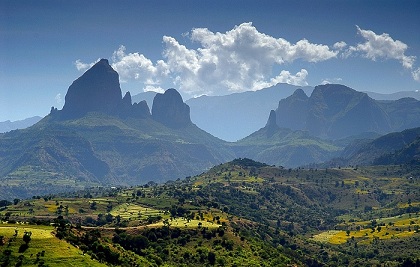
Escape the crowds and discover the raw beauty of the Simien Mountains National Park in Ethiopia, a UNESCO World Heritage site renowned for its unique biodiversity, dramatic landscapes, and endemic wildlife. This trek offers a chance to witness Gelada baboons, Walia ibex, and the Simien fox in their natural habitat, while also immersing yourself in the rich culture of the local communities.
Challenges of Trekking in the Simien Mountains
The Simien Mountains present unique challenges, primarily due to the high altitude. The trek typically ranges from 3,000 to over 4,000 meters (9,800 to 13,100 feet), increasing the potential for altitude sickness. Proper acclimatization is crucial before starting the trek. Another unique aspect is the requirement to have an armed scout accompany your group for safety, adding to the experience as the scout is also from the local community.
Permits and Logistics for the Simien Mountains
Park entry fees are required, and you'll need to hire a mandatory guide and scout. It is also customary to hire porters to help carry gear, which directly supports the local economy. Transportation to and from Debark, the gateway town to the Simien Mountains, can be arranged from Gondar. Reputable local tour operators like Simien Mountains Trekking (example contact information) can assist with permits, guides, porters, and transportation.
Backcountry Camping in the Simien Mountains
Designated campsites in the Simien Mountains are often basic clearings with minimal facilities. A reliable water purification method is essential, as water sources may be contaminated. Be prepared for cold nights due to the altitude, and bring a warm sleeping bag.
Responsible Tourism in Ethiopia
Trekking in the Simien Mountains offers a fantastic opportunity to support local communities. Hiring local guides and porters provides income and employment. Purchase locally made goods and crafts as souvenirs. Respect local customs and traditions, and dress modestly. It is crucial not to feed the wildlife, as it disrupts their natural behavior and can be harmful to their health. Consider contributing to a local school or organization.
Gear Recommendations for the Simien Mountains
- Lightweight hiking boots: Suitable for the varied terrain.
- Trekking poles: Helpful for navigating steep slopes and maintaining balance.
- Layers of clothing: Essential for adapting to fluctuating temperatures.
- Good sleeping bag: Rated for cold temperatures.
- Insect repellent: Protection against mosquitoes and other insects.
Section 3: The Great Divide Trail, Canadian Rockies (Banff to Jasper)
For a truly epic wilderness experience, consider tackling a section of the Great Divide Trail (GDT) in the Canadian Rockies. The Banff to Jasper section is particularly stunning, traversing through pristine forests, alpine meadows, and alongside turquoise lakes. This challenging trek offers unparalleled views of the Canadian Rockies and a chance to disconnect from the modern world.
Challenges on the Great Divide Trail (Banff to Jasper)
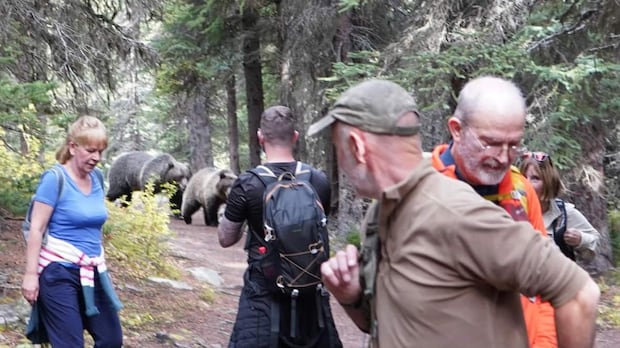
The Banff to Jasper section of the GDT is a remote and demanding trek. Expect challenging terrain, including steep climbs, rocky trails, and numerous river crossings. The potential for encountering wildlife, such as bears and wolves, requires vigilance and adherence to strict bear safety protocols. Excellent navigation skills are essential, as the trail is not always well-marked.
Permits and Logistics for the GDT
Backcountry camping permits are required from Parks Canada and must be obtained in advance. You can apply for permits online through the Parks Canada website (search "Parks Canada backcountry permits"). Bear safety training is highly recommended, and carrying bear spray is essential. Food caches can be planned in advance to reduce the weight you need to carry.
Backcountry Camping in the Canadian Rockies
Designated backcountry campsites along the GDT are equipped with bear-resistant food canisters or hanging devices. Proper food storage is crucial to prevent attracting bears and other wildlife. Adhere to Leave No Trace principles, packing out all trash and minimizing your impact on the environment.
Responsible Tourism on the GDT
Practice Leave No Trace principles diligently. Stay on marked trails to avoid damaging vegetation. Make noise while hiking to alert bears to your presence. Carry bear spray and know how to use it. Respect wildlife by observing from a distance and never feeding animals. Dispose of human waste properly.
Gear Recommendations for the GDT
- Sturdy hiking boots: Essential for the rugged terrain.
- Waterproof outerwear: Protection against rain and snow.
- Bear spray: A crucial safety item.
- GPS device or map and compass: Essential for navigation.
- Bear-resistant food canister: Ensuring proper food storage.
Conclusion
Embarking on a challenging multi-day trek in a remote mountain destination is an incredibly rewarding experience, offering a chance to push your limits, connect with nature, and discover the beauty of our planet. By embracing responsible and sustainable travel practices, you can minimize your environmental impact, support local communities, and help preserve these incredible landscapes for future generations. So, research your destination, prepare thoroughly, pack responsibly, and get ready to conquer the wild, sustainably! Visit the websites of the local parks for more information about the treks discussed in this blog and local tours.