Conquer the Sands: Desert Ultra Running Tours in...
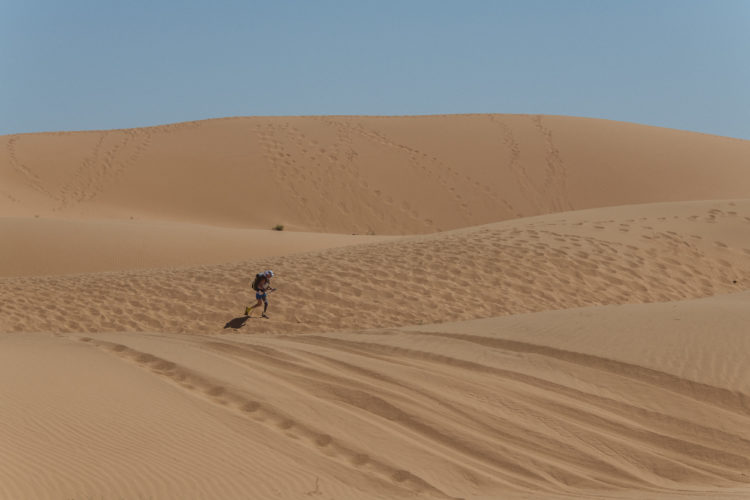
The desert. Its vast emptiness calls to a specific type of runner – one who seeks not just physical endurance, but a profound test of mental fortitude. The allure lies in the challenge: battling scorching heat, navigating treacherous terrain, and pushing beyond perceived limits. Desert running demands respect, meticulous preparation, and an unwavering spirit. Prepare for your desert ultra running tour. This post will explore extreme desert running adventures in three of the world's most demanding deserts: the Namib, the Gobi, and the Sahara.
Namib Desert, Namibia: The Namib Desert Challenge
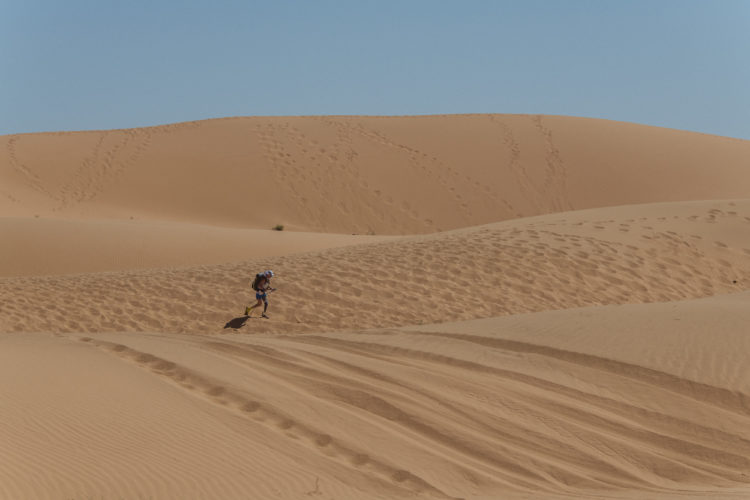
The Namib Desert, a coastal desert in southern Africa, offers a running experience unlike any other. The Namib Desert Challenge is a multi-stage race that pits runners against towering sand dunes, seemingly endless gravel plains, and the relentless African sun. The Namib, thought to be the world's oldest desert, is the backdrop for this unforgettable extreme desert running adventure.
Tackling the Dunes and Wildlife Encounters
Running on sand dunes presents unique challenges. Sand-running techniques are essential: shorten your stride, lift your knees higher, and maintain a steady cadence. Be prepared for significant energy expenditure as you navigate the shifting sands.
One of the unique aspects of the Namib Desert Challenge is the potential for wildlife encounters. Oryx and springbok are commonly seen grazing in the sparse vegetation. It's crucial to maintain a respectful distance and avoid disturbing these magnificent animals. Responsible desert travel means observing wildlife without interfering with their natural behavior.
Essential Gear and Acclimatization
Choosing the right gear is crucial for success in the Namib. We recommend the Salomon Fellraiser shoes for their exceptional sand traction. Lightweight gaiters are also essential to prevent sand from entering your shoes and causing blisters.
Altitude acclimatization is another critical consideration. The Namib Desert sits at a relatively high altitude. We strongly suggest spending at least three days in Windhoek (altitude 1650m) before the race to allow your body to adjust. Incorporate gradual acclimatization runs into your pre-race routine. This desert ultra marathon training tip will pay off in spades.
Accommodation Recommendation
For a memorable and eco-conscious stay, consider the Wolwedans Dunes Lodge. Its stunning location offers breathtaking views of the desert landscape. Wolwedans is committed to sustainable tourism practices, minimizing its environmental impact. Its proximity to the race route makes it a convenient choice for participants.
Gobi Desert, Mongolia: Gobi March (4 Deserts Race Series)
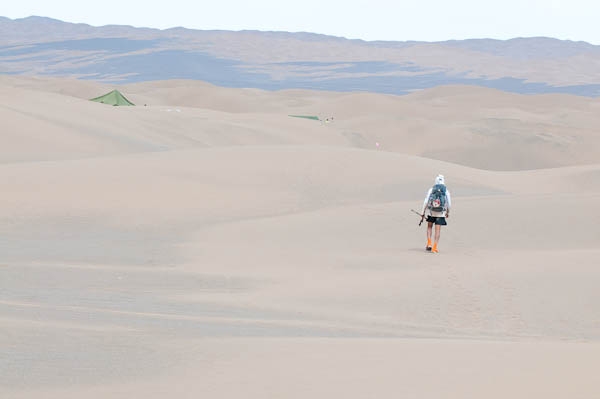
The Gobi Desert, stretching across vast swathes of Mongolia and China, presents a different set of challenges. The Gobi March, part of the renowned 4 Deserts Race Series, is a seven-day, 250-kilometer self-supported footrace. Be prepared for a demanding, yet rewarding, experience.
Enduring Temperature Extremes and Rocky Terrain
Unlike the sandy dunes of the Namib, the Gobi offers a diverse landscape of rocky plains, canyons, and rolling hills. The extreme temperature fluctuations are a major factor. Daytime temperatures can soar to scorching highs, while nighttime temperatures can plummet below freezing.
The rocky, uneven terrain demands sure footing and ankle stability. Mental fortitude is paramount in the Gobi. The seemingly endless landscape can be mentally draining, requiring you to dig deep and push through moments of doubt.
Hydration and Gear Essentials
Carrying sufficient water and supplies is essential in the Gobi. We recommend the Ultimate Direction Ultra Vest 5.0 for its comfortable fit and ample storage capacity.
Proper hydration protocols are crucial. We recommend using electrolyte tablets (e.g., Nuun) every hour to replenish lost minerals. Aim for a minimum water intake of five liters per day, adjusting based on your individual needs and sweat rate. This is crucial for desert running nutrition strategy.
Immersive Cultural Experience
Consider staying at a traditional ger camp near the race start. This provides an opportunity to experience Mongolian culture firsthand. While the amenities may be basic, the experience is authentic and unforgettable. This is a great way to enjoy desert ultramarathon training.
Sahara Desert, Algeria: The Sahara Race
The Sahara, the largest hot desert in the world, offers a truly unique and challenging ultra-running experience. The Sahara Race is a multi-stage race that tests runners' physical and mental limits in an environment often devoid of landmarks. This region is one of the top rated desert ultramarathons.
Maintaining Mental Focus in a Featureless Landscape
The Sahara's vast, seemingly endless landscape can present significant psychological challenges. Maintaining mental focus and motivation is key to success. Breaking the race into smaller, manageable segments can help. Focus on reaching the next checkpoint or completing the next stage, rather than being overwhelmed by the overall distance. Mindfulness techniques, such as focusing on your breath or the rhythm of your footsteps, can also be helpful.
Sun Protection and Sandstorm Preparedness
Sun protection is paramount in the Sahara. We recommend Outdoor Research ActiveIce Sun Sleeves for their lightweight and effective sun protection.
Sandstorms are a common occurrence in the Sahara. During a sandstorm, cover your face with a buff or scarf and wear appropriate eye protection, such as goggles, to prevent irritation. Find shelter if possible and wait for the storm to pass. These are crucial desert running safety tips.
Recovery and Relaxation
Consider pre- and post-race accommodation at a desert camp that offers yoga and massage. This can aid in recovery and help you prepare both physically and mentally for the challenges ahead. This will give you an edge during your desert ultra running tours.

Responsible Desert Running
Protecting these fragile environments is paramount. Practice responsible desert travel and minimize your environmental impact.
Here are some ways you can engage in sustainable desert ultra running:
- Leave No Trace: Pack out all trash, including food wrappers and empty gel packets.
- Stay on Marked Trails: Where available, stick to designated trails to avoid disturbing vegetation and wildlife habitats.
- Avoid Disturbing Wildlife: Observe animals from a distance and never feed them.
- Conserve Water: Be mindful of water usage and avoid wasting this precious resource.
- Use Reef-Safe Sunscreen: Protect your skin without harming the environment.
- Support Local Communities: Purchase supplies and services from local vendors whenever possible.
Are Desert Ultra Running Tours Right for You?
| Key Consideration | Namib Desert Challenge | Gobi March (4 Deserts) | Sahara Race |
|---|---|---|---|
| Terrain | Sand dunes, gravel plains | Rocky plains, canyons | Sandy, featureless plains |
| Temperature Fluctuations | Moderate | Extreme (hot days, cold nights) | High |
| Wildlife Encounters | Oryx, springbok | Limited | Limited |
| Mental Challenge | Physical endurance, dune navigation | Navigating vast landscapes | Maintaining focus, isolation |
| Gear Focus | Sand traction shoes, gaiters | Hydration pack | Sun protection, eye protection |
| Key Safety Tip | Altitude acclimatization | Hydration protocols | Sandstorm preparedness |
Desert Ultramarathon Training: Frequently Asked Questions
How do I train for a desert ultramarathon?
Focus on heat acclimation, long runs on varied terrain, and strength training. Practice with your gear and nutrition plan.
What gear do I need for desert running?
Essentials include moisture-wicking clothing, a hydration pack, a hat, sunglasses, sunscreen, and trail running shoes.
What is the best way to hydrate during a desert ultra run?
Drink regularly, consume electrolytes, and monitor your urine output to ensure adequate hydration. Aim for 5 liters of water per day.
How do I avoid heatstroke while running in the desert?
Acclimatize to the heat, run during cooler parts of the day, wear appropriate clothing, and stay hydrated. Recognize the symptoms of heatstroke and seek immediate medical attention if necessary.
Conclusion
The desert offers a unique and transformative running experience. Whether you choose to conquer the towering dunes of the Namib, brave the temperature extremes of the Gobi, or navigate the featureless expanse of the Sahara, you will be tested both physically and mentally. Embrace the challenge, prepare meticulously, and respect the environment. The rewards are immeasurable.
Ready to take on the sands?
- Namib Desert Challenge: https://www.example.com/namib-desert-challenge (Example link - replace with actual race link)
- Gobi March (4 Deserts Race Series): https://www.4deserts.com/gobimarch/
- Sahara Race: https://www.example.com/sahara-race (Example link - replace with actual race link)
Conquer your own personal "sands"!