Conquer the Desert: Unique and Challenging Lands...
The desert, often perceived as barren and desolate, is actually a vibrant ecosystem teeming with life and offering a plethora of unique experiences for the adventurous traveler. Beyond the postcard-perfect sunsets and towering cacti, lie challenges that test your mettle and connect you with nature on a profound level. From honing your desert survival skills to exploring the ethical dimensions of art at Burning Man, and from the adrenaline rush of sand sledding to capturing stunning night photography in the Kgalagadi, the desert offers transformative journeys for those willing to embrace its wild side. Forget the all-inclusive resorts – it's time to dive deep into the heart of the desert's most captivating and challenging activities.
Survival Skills - Build a Wickiup Shelter
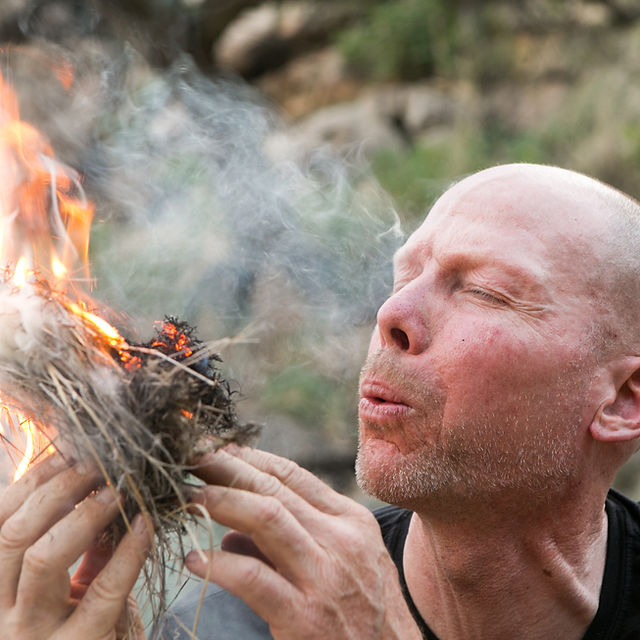
Imagine yourself stranded in the Arizona desert, with the scorching sun beating down and night bringing a bone-chilling cold. Knowing how to build a shelter could mean the difference between survival and succumbing to the elements. The wickiup, a traditional dwelling used by Indigenous peoples, is a simple yet effective structure that can be constructed using readily available materials. This hands-on skill is key to your desert survival skills.
Step-by-Step Guide to Building a Wickiup:
- Gather Materials: Look for long, flexible branches (willow, mesquite, or juniper work well). You'll also need smaller twigs and leaves for insulation.
- Create a Frame: Choose a central location and drive several of the largest branches into the ground in a circle, angled inwards. These will form the main supports.
- Interweave Branches: Weave smaller branches horizontally between the upright supports, creating a lattice-like structure. This will add stability and block the wind.
- Reinforce the Structure: Continue adding layers of interwoven branches, gradually closing the gaps and strengthening the walls.
- Insulation: Pack the exterior of the wickiup with leaves, grass, or other natural insulation to provide warmth and protection from the elements.
- Create an Entrance: Leave a small opening on one side for an entrance. You can cover this with a piece of cloth or additional branches.
Safety Precautions:
- Always be aware of your surroundings and avoid building a wickiup in areas prone to flash floods or rockslides.
- Use caution when handling sharp branches and tools.
- Never build a fire inside the wickiup without proper ventilation.
- Respect the environment and avoid damaging or destroying native plants unnecessarily.
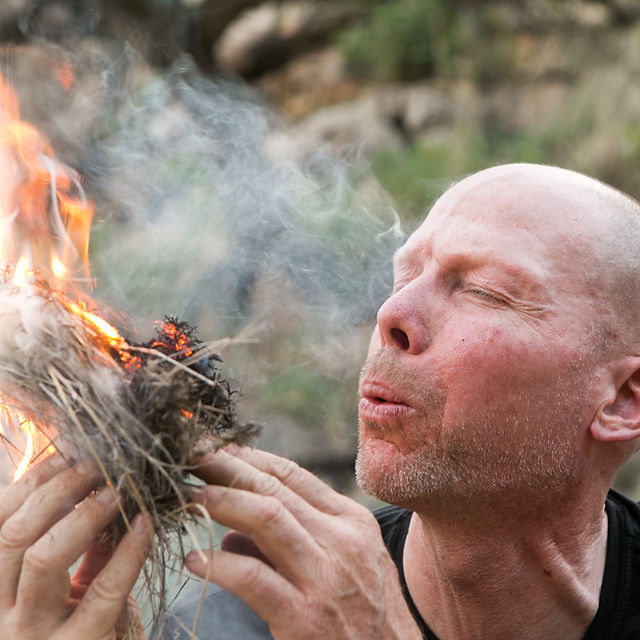
Here's a fun look at the construction process (and a mischievous desert dweller):
Cultural Critique - The Dark Side of Desert Art: Commodification at Burning Man
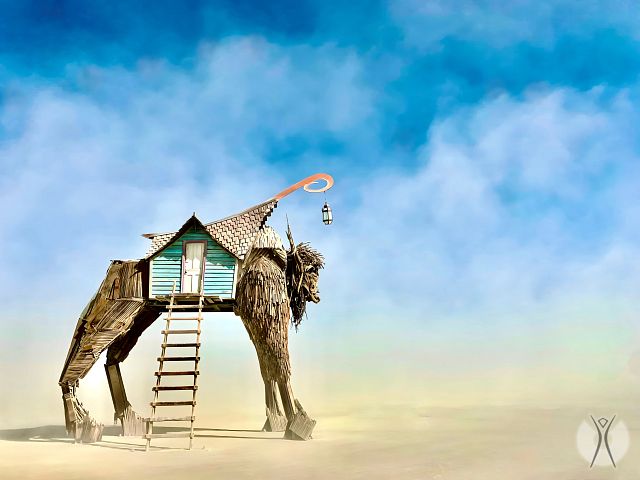
Burning Man, the iconic desert festival, is renowned for its awe-inspiring art installations and celebration of creativity. However, a shadow lurks beneath the surface: the problematic commodification of Indigenous art and culture. Often, non-Indigenous artists profit from Native-inspired designs and products without acknowledging the original cultural context or contributing back to the communities from which they draw inspiration. This raises important ethical questions about cultural sensitivity Burning Man and the responsibilities of attendees.
Examples of cultural appropriation at Burning Man include:
- Selling dreamcatchers or other sacred objects without permission or understanding of their significance.
- Using Native American patterns or motifs in clothing or art without attribution or compensation.
- Presenting spiritual practices or ceremonies in a distorted or disrespectful manner.
It's crucial for Burning Man attendees to be mindful of the origins of the art and products they encounter and to support authentic Indigenous artists whenever possible. By educating ourselves and challenging the ethics of profiting from Native American art Burning Man, we can help create a more respectful and equitable environment for all.
This grainy, retro video clip highlights the complexities of this issue:
Thrill-Seeking - Sand Sledding Mayhem: Waxed Cardboard Edition
Forget expensive equipment – the ultimate desert thrill can be achieved with a simple piece of waxed cardboard. Sand sledding, or sandboarding's less sophisticated cousin, offers an exhilarating and often hilarious experience on steep dunes. The improvisational nature of this activity adds to its charm, making it a favorite among budget-conscious adventurers.
Tips for Sand Sledding Success:
- Choose the Right Cardboard: Opt for thick, corrugated cardboard that is sturdy and resistant to tearing.
- Apply Wax Liberally: Use paraffin wax or beeswax to coat the bottom of the cardboard, creating a smooth surface for gliding. Reapply wax frequently for optimal speed.
- Find a Steep Dune: Look for a dune with a smooth, consistent slope and minimal obstacles.
- Lean Back and Enjoy the Ride: Position yourself on the cardboard with your feet slightly elevated and lean back as you descend.
- Embrace the Wipeout: Sand sledding is inherently unpredictable, so be prepared for some spectacular tumbles.
Safety Considerations:
- Wear eye protection (sunglasses or goggles) to shield your eyes from sand.
- Avoid sledding in areas with rocks or other hazards.
- Be aware of other people on the dune and avoid collisions.
- Start with smaller dunes and gradually work your way up to steeper slopes.
- Stay hydrated and protect yourself from the sun.
Get ready for a wild ride! Check out this POV footage of a sand sledding run gone delightfully wrong:
Wildlife Encounters - Camera Traps and Night Photography in Kgalagadi
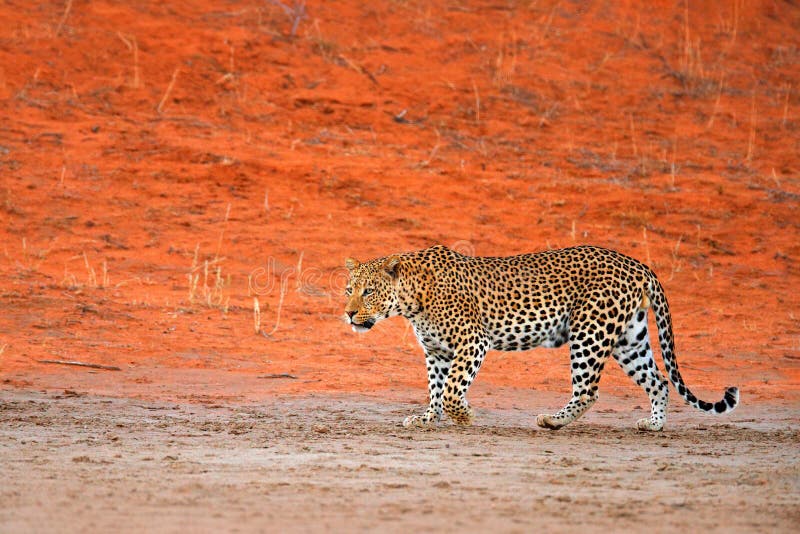
The Kgalagadi Transfrontier Park, a vast wilderness straddling South Africa and Botswana, is a haven for wildlife, particularly nocturnal animals that emerge under the cover of darkness. Setting up motion-triggered camera traps and engaging in night photography Botswana wildlife offers a unique opportunity to capture stunning images of these elusive creatures.
Camera Trap Setup:
- Choose the Right Equipment: Select a camera trap with a high-quality sensor, infrared flash, and durable weatherproof housing.
- Find a Promising Location: Look for animal trails, waterholes, or other areas where wildlife is likely to congregate.
- Secure the Camera: Attach the camera trap to a tree or post, ensuring it is stable and aimed at the desired area.
- Camouflage the Camera: Conceal the camera trap with natural materials to avoid detection by animals or humans.
- Set the Trigger Sensitivity: Adjust the sensitivity of the motion sensor to avoid false triggers from wind or small animals.
- Check and Maintain the Camera: Regularly check the camera trap to replace batteries, download images, and ensure it is still functioning properly.
Night Photography Techniques:
- Use a DSLR or mirrorless camera with a wide aperture lens (f/2.8 or faster).
- Set the ISO to a high value (e.g., 1600 or 3200) to capture enough light.
- Use a tripod to stabilize the camera and avoid blurry images.
- Experiment with different shutter speeds to capture motion blur or freeze action.
- Use a remote shutter release to minimize camera shake.
- Be patient and observant, and be prepared to spend hours waiting for the perfect shot.
Unleash your inner wildlife photographer!
The desert, far from being a monotonous landscape, is a realm of diverse experiences and unexpected challenges. Whether you're testing your desert survival skills building a wickiup, engaging in critical discussions about cultural appropriation in art at Burning Man festival, braving the dunes on a piece of waxed cardboard during sand sledding Namibia, or capturing the magic of the Kgalagadi's nocturnal wildlife, you're sure to create memories that will last a lifetime. So, pack your bags, embrace the unexpected, and prepare to be amazed by the wonders of the desert. Are you ready to experience the desert's wild side? Book your adventure today and discover the challenges and triumphs that await! vistalocation.com