Conquer the Crag: 3 Challenging Mountain Climbin...
Ready to ditch the gym and test your mettle on real rock? At Vistalocation.com, we're all about pushing limits and exploring the world's most breathtaking – and challenging – climbing destinations. Forget those beginner-friendly slabs; we're diving headfirst into granite spires, sandstone towers, and exhilarating deep-water solos. This blog post isn’t just about pretty pictures (though we have those too!), it's about equipping you with the knowledge, the gear recommendations, and a healthy dose of reality about tackling these epic climbs. So, dust off your harness, check your knots, and let's get vertical! Because, let's face it, gravity is overrated.
Destination 1: The Bugaboos, British Columbia, Canada - Granite Glory
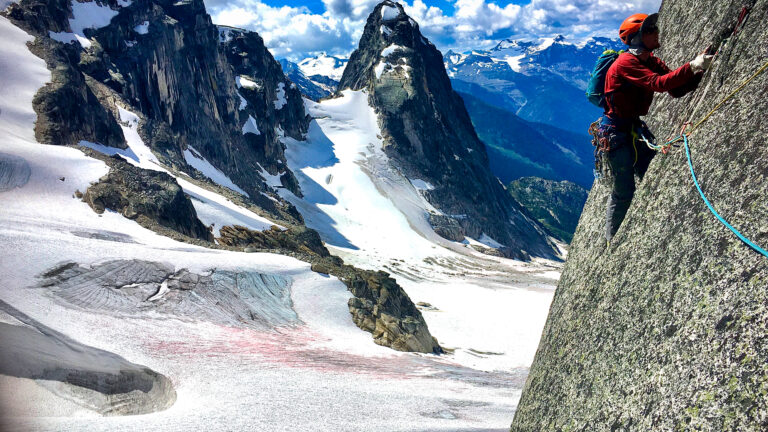
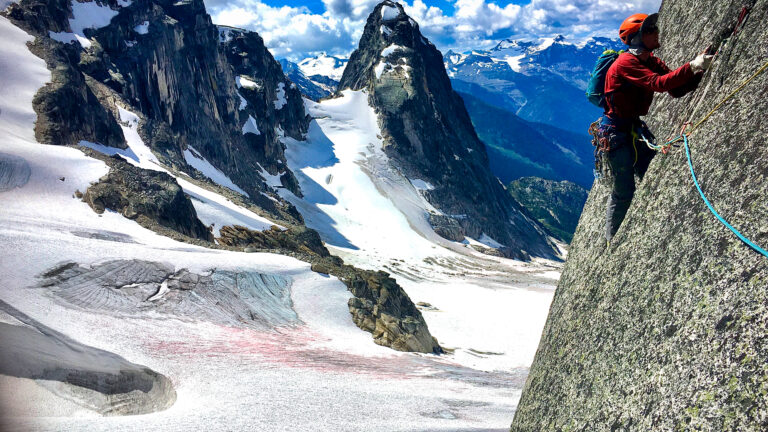
The Bugaboos. Just the name conjures images of jagged granite piercing the sky, a climber's paradise sculpted by millennia of ice and wind. As an experienced climber, I can attest that the Bugaboos represent a true test of skill, endurance, and mental fortitude. Forget perfectly manicured holds; here, it's all about embracing the art of crack climbing on some of the most pristine granite on the planet.
Climbing Style: Embrace the Crack
Crack climbing in the Bugaboos is a uniquely rewarding experience. It requires mastering techniques like hand jams, fist jams, and the occasional creative body contortion. It's not always pretty, but it's incredibly effective. You'll be relying on your gear placements and your ability to trust them.
Iconic Route: Northeast Ridge of Bugaboo Spire (Grade IV, 5.6, 10 pitches)
The Northeast Ridge of Bugaboo Spire is a classic for a reason. It offers sustained climbing, stunning exposure, and a summit view that will burn itself into your memory.
Approach: The adventure begins with a scenic hike to the Kain Hut, which takes approximately 3-5 hours. From the hut, a further 1-2 hour scramble leads to the base of the route.
Critical Pitches:
- Pitch 1: A short, but steep crack to get your blood pumping.
- Pitch 4: The notorious "hand traverse," requiring a delicate balance and solid hand jams.
- Pitch 8: A wide chimney that can be surprisingly strenuous, especially with a heavy pack.
Descent: The descent involves a series of rappels down the south side of the spire, requiring careful rope management and attention to detail. Allow approximately 4-6 hours for the descent.
Estimated Time: Plan for a full day on the route, typically 8-12 hours, depending on your pace and the conditions.
Exposure and Alpine Conditions: Be prepared for significant exposure on the upper pitches. The alpine conditions can change rapidly, so always check the weather forecast before heading out and be prepared for sudden storms.
Must-Have Gear for the Bugaboos
- Double Rack of Cams (especially sizes 0.3 to 3 Camalots): The cracks in the Bugaboos vary in size, so having a comprehensive rack is crucial for secure placements.
- Ice Axe and Crampons (for early season): Even in summer, snow and ice can linger in the gullies, making an ice axe and crampons essential for safe travel.
- Lightweight Bivy Sack: Be prepared for unexpected bivies. A lightweight bivy sack can provide crucial protection from the elements if you're caught out late.
Safety Warnings and Tips for Mitigating Risks
- Check the weather forecast: Alpine weather can be unpredictable.
- Leave your itinerary with someone: Let them know your plans and expected return time.
- Carry a satellite communication device: Cell service is unreliable in the Bugaboos.
- Practice crevasse rescue techniques: If you're traveling on glaciers.
- Climb with a partner: Never climb alone in the mountains.
- Best time to climb the Bugaboos: July to September offers the most stable weather.
Destination 2: Wadi Rum, Jordan - Sandstone Serenity and Ancient Echoes
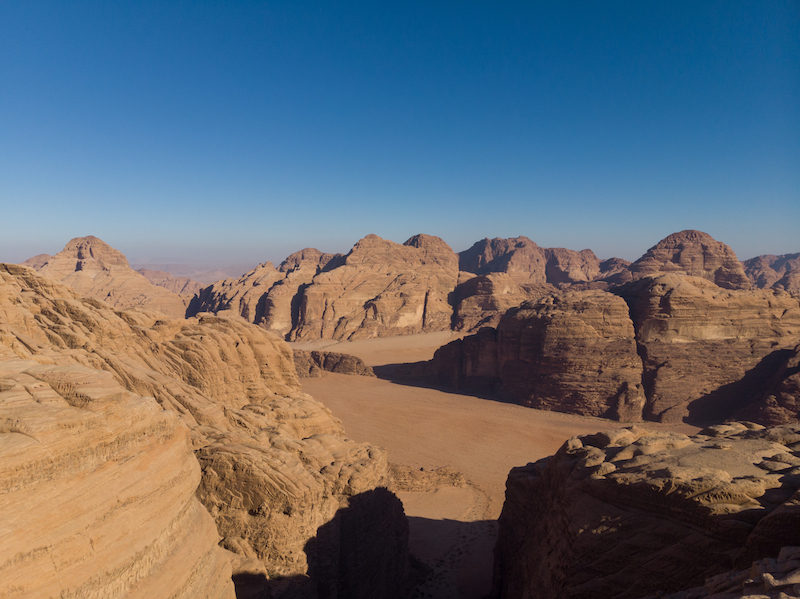
Forget the granite, let's talk sandstone. Wadi Rum in Jordan is a landscape unlike any other – a vast desert of towering sandstone formations, sculpted by wind and time. The climbing here is a unique blend of physical challenge and cultural immersion, and rock climbing tours in Wadi Rum are growing in popularity. The silence of the desert, broken only by the wind whistling through the canyons, adds an almost spiritual dimension to the experience. And trust me, after a long day of climbing, sipping sweet tea with Bedouins under a blanket of stars is an experience you won't soon forget. Wadi Rum is one of the best-rated climbing guides because of its landscape.
Climbing Style: Traditional Climbing on Desert Towers
Climbing in Wadi Rum is primarily traditional, meaning you'll be placing your own protection in the soft sandstone. This requires a careful and deliberate approach, as the rock can be more fragile than granite.
Iconic Route: Pillars of Wisdom (TD+, 6 pitches)
Named after T.E. Lawrence's famous book, Pillars of Wisdom is a fitting tribute to the spirit of adventure. The route climbs a striking sandstone tower, offering challenging slab sections and breathtaking exposure.
Historical Significance: The route's name pays homage to T.E. Lawrence, who spent time in Wadi Rum during the Arab Revolt. The Bedouin people of the region have a deep connection to the desert landscape, and their knowledge of the area is invaluable.
Challenging Slab Sections: The slab sections require precise footwork and a delicate touch.
Exposure: The exposure is significant, especially on the upper pitches, offering stunning views of the surrounding desert.
Must-Have Gear for Wadi Rum
- 'Bedouin Climbing Shoes': (Okay, so they're not actually called that, but you get the idea!) Look for shoes with high ankle support and a specialized rubber compound designed for sandstone friction. Standard shoes don't cut it for sand climbing.
- Wide Selection of Camming Devices: The sandstone cracks vary in size, so having a comprehensive rack of cams is essential.
- Sturdy, Sand-Resistant Belay Device: Sand can wreak havoc on your gear, so a durable belay device is a must.
Safety Warnings and Tips for Mitigating Risks
- Hydrate, hydrate, hydrate: The desert heat can be relentless.
- Protect yourself from the sun: Wear a hat, sunglasses, and sunscreen.
- Be aware of the rock quality: Sandstone can be fragile, so test your placements carefully.
- Hire a local guide: Their knowledge of the area and the climbing routes is invaluable. Consider climbing Wadi Rum without a guide in a group.
- Climbing Wadi Rum permit application process: You will need to apply before any climbing.
Destination 3: Railay Beach, Thailand - Limestone Cliffs and Deep-Water Thrills
Trade in the mountaineering boots for climbing shoes and a swimsuit, because we're heading to Railay Beach in Thailand! This tropical paradise is famous for its stunning limestone cliffs, pristine beaches, and, of course, the adrenaline-pumping sport of deep-water soloing (DWS). Railay Beach Deep Water Solo offers the best of both worlds.
Climbing Style: Deep-Water Soloing - Plunge into Paradise
Deep-water soloing is exactly what it sounds like: climbing without ropes over deep water. The challenge lies in pushing your limits, knowing that a fall simply means a refreshing plunge into the turquoise sea.
Iconic Route: Tonsai Tower
Tonsai Tower is a popular DWS spot, easily accessible by boat. The difficulty of the routes varies, offering something for everyone from intermediate to advanced climbers.
Accessibility and Popularity: Tonsai Tower is a well-known DWS spot, drawing climbers from around the globe.
Challenging Crux Moves: The crux moves often involve powerful reaches and delicate footwork above the water.
Exhilarating Feeling of Falling: There's nothing quite like the feeling of launching yourself off a limestone cliff and plummeting into the ocean.
Tide Considerations and Water Depth: Always check the tide charts before DWS. Low tide can expose rocks and reduce the water depth, making landings dangerous.

Must-Have Gear for Railay Beach
- Specialized Crash Pads: Crash pads help cushion landings.
- Quick-Drying Climbing Shoes: Climbing shoes and the surrounding areas have quick-drying conditions.
- Reef-Safe Sunscreen: Protect yourself and the delicate marine ecosystem.
Safety Warnings and Tips for Mitigating Risks
- Check tide charts: Low tide can expose rocks and reduce water depth.
- Be aware of currents: Strong currents can make swimming difficult.
- Avoid climbing during jellyfish season: Jellyfish stings can be painful and dangerous.
- Budget Rock Climbing Railay Beach: Is still considered one of the safest budget locations for climbing and touring.
- Best months for rock climbing in Railay Beach Thailand: November to March is the dry season.
Safety Information for Climbing Locations
Remember, rock climbing is an inherently dangerous sport. Proper training, experience, and careful planning are essential. Always check weather conditions and local regulations before heading out. Carry emergency communication devices, and never climb beyond your abilities.
Ready to Plan Your Next Climbing Adventure?
From the granite spires of the Bugaboos to the sandstone towers of Wadi Rum and the limestone cliffs of Railay Beach, the world is full of incredible climbing destinations waiting to be explored. But before you pack your bags, take a peek at this epic fail that happened in Railay, so you know what you could be in for:
Railay Beach Deep-Water Soloing Mishap
Ready to book your dream climbing adventure? Visit Vistalocation.com today and let us help you plan the trip of a lifetime! Explore Wadi Rum packages now!