Conquer Iconic Heights: Three Unforgettable Moun...
Are you ready to trade the ordinary for the extraordinary? To challenge yourself physically and mentally while witnessing some of the most breathtaking scenery on Earth? Via Ferrata climbing offers an unparalleled thrill, while trekking to ancient sites unveils history with every step. Perhaps the towering Himalayas and a taste of Nepalese culture are calling your name. At VistaLocation, we believe adventure is a key ingredient to a life well-lived, which is why we've curated three unforgettable mountain experiences catering to different adventure levels. From scaling the heights of the Italian Dolomites to trekking through the heart of Peru and ascending to the base of the Himalayas, there's an adventure waiting for you. Prepare to conquer iconic heights!
Scale the Sky: Conquering the Via Ferrata Ivano Dibona in the Dolomites
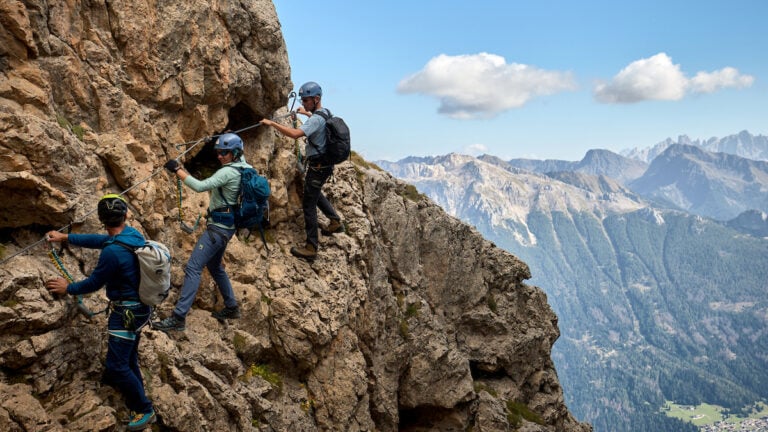
The Dolomites, a UNESCO World Heritage Site in northeastern Italy, are renowned for their jagged peaks, stunning valleys, and, of course, their Via Ferratas. A Via Ferrata, or "iron path," is a protected climbing route with steel cables, ladders, and bridges fixed to the rock. Of the many Via Ferratas in the Dolomites, the Ivano Dibona stands out as a truly iconic and challenging climb. Are you an experienced climber looking for your next adventure? Look no further.
Difficulty & Experience
The Via Ferrata Ivano Dibona is classified as advanced to expert. This is not a climb for beginners. It is physically demanding and requires prior Via Ferrata experience. You should be comfortable with heights and exposure and possess a good level of fitness. Be prepared for a long day of climbing, typically 6-8 hours, carrying a backpack weighing around 20 lbs. The route involves steep ascents, exposed traverses, and challenging sections that demand both strength and stamina. Remember that even in summer months at high altitudes, ice and snow can present significant dangers.
Mandatory Equipment List
Safety is paramount when tackling the Via Ferrata Ivano Dibona. Ensure you have the following mandatory equipment:
- Helmet: To protect your head from rockfall.
- Via Ferrata Set: An energy-absorbing lanyard with two carabiners specifically designed for Via Ferrata climbing.
- Harness: A climbing harness to attach the Via Ferrata set.
- Sturdy Hiking Boots: Providing ankle support and good grip on rocky terrain.
- Gloves: To protect your hands from the steel cables.
Optional but highly recommended equipment includes a lightweight backpack, sunglasses, and sunscreen.
Safety First
Before embarking on the Via Ferrata Ivano Dibona, meticulously check the weather conditions. Mountain weather can change rapidly, and storms can make the climb extremely dangerous. Be aware of the potential for rockfall, which is a common hazard in the Dolomites. Most importantly, we strongly recommend hiring a certified mountain guide, especially if you're a first-timer. A guide can provide expert instruction, ensure your safety, and enhance your overall experience.
Route Highlights
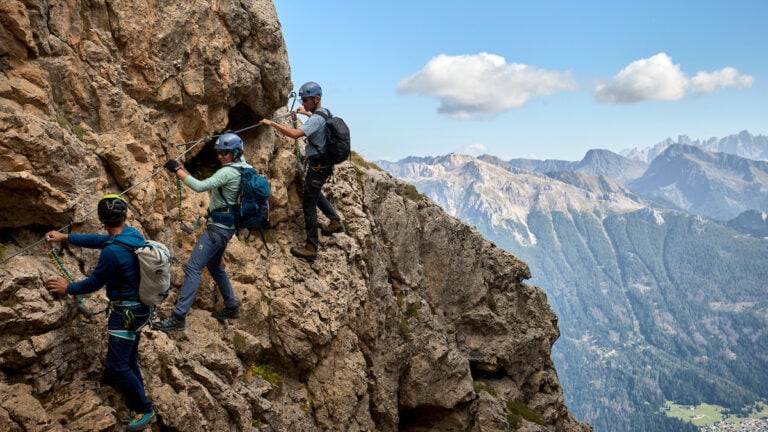
The Via Ferrata Ivano Dibona offers a thrilling journey through stunning alpine scenery. One of the most iconic sections is the Ponte Cristallo suspension bridge, a long and airy bridge suspended high above a deep gorge. Crossing this bridge is an unforgettable experience, offering breathtaking views of the surrounding mountains. The route also features exposed traverses, where you'll be clipped into steel cables as you navigate narrow ledges with sheer drops below. Along the way, you'll be rewarded with panoramic views of the majestic Tre Cime di Lavaredo.
Ready to test your limits?
Find Via Ferrata certified guides and comfortable accommodations near Auronzo di Cadore at VistaLocation. Reputable mountain guide services in the area include Dolomites Alpine Guides and Cortina360.
Footsteps of the Incas: Trekking the Classic 4-Day Inca Trail to Machu Picchu
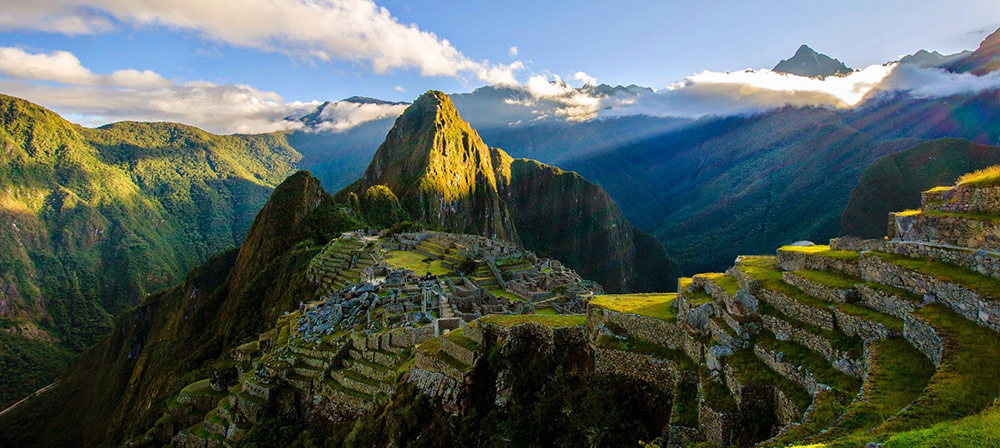
Embark on a once-in-a-lifetime adventure through the heart of the Andes, following in the footsteps of the ancient Incas on the Classic 4-Day Inca Trail to Machu Picchu. This iconic trek is not just a hike; it's a journey through history, culture, and breathtaking natural beauty. Machu Picchu, the "Lost City of the Incas," stands as a testament to the ingenuity and artistry of this remarkable civilization.
4-Day Itinerary Breakdown
The Classic 4-Day Inca Trail is a challenging but rewarding trek. Here's a breakdown of what you can expect each day:
- Day 1 (Km 82 to Wayllabamba): Approximately 12 km (7.5 miles) with an elevation gain of around 300 meters (1,000 feet). The terrain is gentle to moderate, following the Urubamba River.
- Day 2 (Wayllabamba to Pacaymayo): Approximately 11 km (7 miles) with a significant elevation gain of around 1,200 meters (4,000 feet). This is the most challenging day, as you'll cross Dead Woman's Pass, the highest point on the trek at 4,215 meters (13,829 feet). It is vital to acclimatize prior to your trek.
- Day 3 (Pacaymayo to Wiñay Wayna): Approximately 16 km (10 miles) with varied terrain, including ascents, descents, and relatively flat sections. You'll pass several Inca ruins along the way, including Runkurakay and Sayacmarca.
- Day 4 (Wiñay Wayna to Machu Picchu): A short but exciting day, starting early to reach the Sun Gate (Inti Punku) for sunrise over Machu Picchu. After sunrise, you'll descend to Machu Picchu for a guided tour of the site.
Permits & Guides
It is absolutely essential to pre-book Inca Trail permits through a licensed tour operator months in advance. Permits are limited and sell out quickly, especially during the peak season (May-September). Permit costs are roughly $200-$300 USD. Hiking the Inca Trail independently is not permitted; you must be accompanied by a licensed guide.
Packing Essentials
Pack light but smart for the Inca Trail. Essential items include:
- Sturdy hiking boots
- Layers of clothing (for temperature fluctuations)
- Rain gear (poncho or waterproof jacket and pants)
- Sunscreen
- Insect repellent
- Water bottles or a hydration pack
- Headlamp
Altitude Acclimatization
Altitude acclimatization is crucial for a successful and enjoyable Inca Trail experience. Spend at least 2 days in Cusco (3,400 meters / 11,200 feet) before starting the trek. Drink plenty of coca tea, avoid strenuous activity, and listen to your body. If you experience symptoms of altitude sickness, such as headache, nausea, or dizziness, inform your guide immediately.
Embark on this historical adventure!
Find reputable Inca Trail tour operators and book your Cusco accommodations with VistaLocation.
Embrace the Himalayas: Trekking to Annapurna Base Camp in Nepal
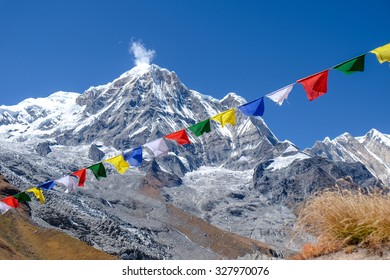
Imagine yourself surrounded by towering snow-capped peaks, breathing in the crisp mountain air, and immersing yourself in the rich culture of Nepal. The Annapurna Base Camp (ABC) Trek offers all this and more. This challenging but accessible trek takes you through diverse landscapes, from lush green valleys to high-altitude alpine terrain, culminating in breathtaking views of the Annapurna Massif.
Trek Overview
The Annapurna Base Camp Trek is approximately 60-70 km (37-43 miles) round trip and typically takes 10-14 days to complete. The maximum altitude reached is 4,130m (13,550 feet) at Annapurna Base Camp. While challenging, the trek is considered moderate and is suitable for trekkers with a reasonable level of fitness.
Permits Required
To trek to Annapurna Base Camp, you'll need two permits:
- Annapurna Conservation Area Permit (ACAP): This permit is required to enter the Annapurna Conservation Area.
- Trekkers' Information Management System (TIMS) card: This card helps keep track of trekkers in the region.
Both permits can be obtained in Kathmandu or Pokhara.
Best Time to Trek
The best time to trek to Annapurna Base Camp is during the spring (March-May) and autumn (September-November) seasons. These months offer optimal weather conditions, with clear skies and comfortable temperatures.
Acclimatization Strategy
Gradual acclimatization is essential to prevent altitude sickness. Trek at a moderate pace, drink plenty of water, and include rest days in your itinerary. If you experience symptoms of altitude sickness, such as headache, nausea, or dizziness, descend to a lower altitude immediately. Side trips to lower altitude locations are also recommended.
Cultural Immersion
The Annapurna Base Camp Trek offers a unique opportunity to experience Gurung culture in the villages along the trail. Take the time to interact with locals, learn about their traditions, and sample their delicious cuisine. Remember to be respectful of local customs and traditions.
Accommodation & Food
Teahouses along the trail provide basic accommodation and meals. The food is typically simple but nutritious, with options like dal bhat (rice and lentils), noodles, and soups.
Witness the majesty of the Himalayas!
Find reliable trekking agencies and comfortable accommodations in Pokhara and Kathmandu at VistaLocation.
Venturing into the mountains offers a transformative experience, pushing you beyond your comfort zone and rewarding you with unparalleled beauty and a profound sense of accomplishment. Whether you choose to scale the Via Ferrata Ivano Dibona, trek the Inca Trail to Machu Picchu, or embrace the Himalayas on the Annapurna Base Camp Trek, VistaLocation is here to help you plan your unforgettable mountain adventure. Start exploring today and create memories that will last a lifetime. Ready for an adventure? Check out VistaLocation's travel packages!