Confronting the Desert: A Realistic Guide to Uni...
The allure of the desert is undeniable. Vast, silent landscapes stretching to the horizon, painted with fiery sunsets and studded with unique, resilient life. It’s a destination that promises solitude, adventure, and a stark reminder of nature's power. However, the romance often overshadows a crucial truth: deserts are inherently dangerous. This isn't a guide to idyllic desert escapes, but a practical resource for mitigating the real risks of heatstroke, dehydration, wildlife encounters, and disorientation in these seemingly featureless terrains. Our desert safety tips will prepare you for the unexpected, ensuring your challenging desert adventures are also safe desert travel experiences.
Gear Recommendations: Preparing for the Extremes
The right gear can be the difference between a memorable adventure and a desperate fight for survival. What you pack depends heavily on the type of desert you're venturing into. Here's a breakdown:
Hot Deserts (e.g., Sahara, Death Valley)
These arid environments are defined by intense heat and relentless sun. Your primary goal is to stay cool and hydrated.
- Clothing: Lightweight, long-sleeved moisture-wicking clothing (e.g., merino wool or synthetic blends) protects your skin from the sun while allowing sweat to evaporate.
- Headwear: A wide-brimmed hat with a neck cover is crucial for shielding your face and neck from the sun's rays.
- Sunglasses: Invest in UV-protective sunglasses (category 4) to prevent eye damage from the intense glare.
- Hydration: A hydration pack with a minimum 3-liter capacity is essential for carrying enough water.
- Electrolytes: Electrolyte tablets help replenish lost minerals and maintain proper hydration.
- Signaling: An emergency signaling mirror can reflect sunlight to attract attention in case of distress.
- PLB: A personal locator beacon (PLB) is a vital piece of safety equipment for summoning help in emergencies.
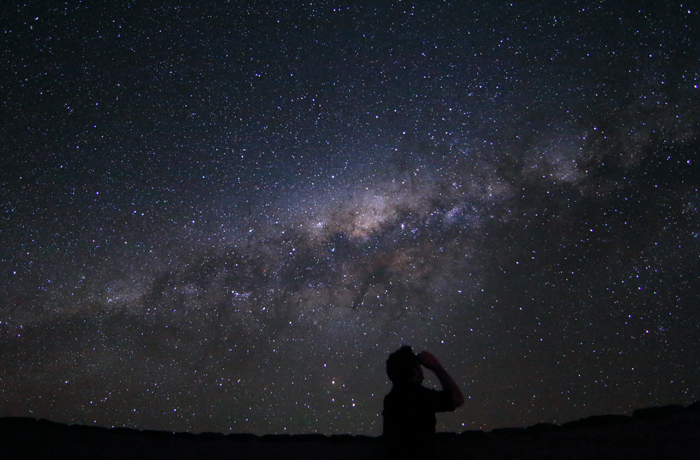
Image: This image shows a hiker wearing full protective gear. Long sleeves, wide brim hat, and sunglasses protect from sun and dehydration. This is a good visual of what is recommended.
Cold Deserts (e.g., Gobi, Antarctica)
While the cold may seem less threatening than extreme heat, it presents its own unique dangers. Hypothermia and frostbite are serious concerns.
- Insulation: Insulated layers (fleece, down) trap body heat and provide warmth.
- Outer Shell: A windproof and waterproof outer shell protects against wind and moisture.
- Extremities: Insulated gloves and a hat are essential for preventing heat loss from your hands and head.
- Base Layers: Thermal base layers wick away moisture and keep you dry.
- Food: A high-calorie emergency food supply (e.g., energy bars, dried fruit) provides energy to fuel your body and maintain warmth.
Heatstroke and Dehydration: Understanding and Combating the Threat
Heatstroke and dehydration are two of the most significant threats in hot desert environments. Understanding the symptoms and knowing how to react is critical. How to avoid desert dangers starts with recognizing these conditions.
Recognizing the Symptoms
- Heatstroke: Look for confusion, slurred speech, seizures, a high body temperature, and a lack of sweating.
- Dehydration: Symptoms include dark urine, dizziness, rapid heartbeat, headache, and fatigue.
Immediate Treatment Measures
- Move to Shade: Get the affected person out of direct sunlight immediately.
- Cool with Water: Use water to cool the body. Evaporative cooling (spraying water and fanning) is particularly effective.
- Administer Electrolytes: Provide fluids containing electrolytes to replenish lost minerals.
- Seek Medical Attention: Heatstroke is a medical emergency. Seek professional help as quickly as possible.
Proactive Hydration
Don't wait until you feel thirsty to drink. By then, you're already dehydrated. Drink water regularly throughout the day, even if you don't feel thirsty. Aim for at least one liter of water per hour in hot conditions. Consider using a hydration schedule to ensure you're drinking enough. This desert survival guide for travelers emphasizes that prevention is always better than cure.
Wildlife Encounters: Navigating the Desert's Inhabitants
Deserts are home to a variety of wildlife, some of which can pose a threat to humans. Understanding the potential dangers and knowing how to react can help you avoid unpleasant and potentially dangerous encounters.
Scorpions
Scorpions are common in many desert regions.
- Prevention: Shake out sleeping bags and boots each morning to dislodge any scorpions that may have taken refuge overnight.
- Treatment: If stung, monitor for allergic reactions (difficulty breathing, swelling). Most scorpion stings are painful but not life-threatening. However, seek medical attention if you experience any severe symptoms.
Venomous Snakes (e.g., Rattlesnakes, Sidewinders)
Venomous snakes are a serious concern in many desert areas.
- Identification: Learn to identify common venomous snakes in the regions you plan to visit.
- Prevention: Wear sturdy boots and pants while hiking. Avoid reaching into crevices or under rocks. Give snakes a wide berth.
- Treatment: If bitten, immobilize the limb and seek immediate medical attention. Do not attempt to suck out the venom. Carry a snake bite kit and know how to use it.

Image: This image of a rattlesnake coiled up in the desert clearly shows the danger of snakes in the desert and is a visual representation.
Large Mammals (e.g., Coyotes, Mountain Lions)
While less common than snake or scorpion encounters, interactions with large mammals can be dangerous.
- Prevention: Carry bear spray in areas known to have large predators. Make noise while hiking to avoid surprising animals.
- Response: If confronted, make yourself appear larger and more intimidating. Stand your ground and shout loudly. If attacked, fight back aggressively.
Water Sourcing: A Risky Gamble
Finding water in the desert is unreliable. While there are methods for sourcing water, they should only be considered emergency measures. Always carry an adequate supply of water based on the specific desert conditions and your planned activities. The question of how to find safe drinking water in the desert has a simple answer: bring it with you.
Solar Still
A solar still can extract water from the ground using condensation.
- Dig a pit about 3 feet wide and 2 feet deep.
- Place a container in the center of the pit.
- Cover the pit with plastic sheeting, securing the edges with rocks or soil.
- Place a small rock in the center of the plastic sheet, directly above the container. This will create a point for condensation to drip into the container.
- Wait for condensation to form and drip into the container.
Dew Collection
Collecting dew from vegetation can provide small amounts of water.
- Tie absorbent cloth around your ankles and walk through vegetation early in the morning.
- Wring out the cloth into a container to collect the dew.
Warning: Never drink untreated water from natural sources. It may be contaminated with bacteria, viruses, or parasites. Purification methods, such as boiling or using a water filter, are essential.
Navigation: Staying on Course
Getting lost in the desert can quickly turn a challenging situation into a life-threatening one. Strong navigation skills are crucial.
Map and Compass Skills
Learn to use a topographic map and compass for route finding. Practice your skills before venturing into the desert. Desert navigation techniques without GPS are invaluable.
- Orient the map using a compass.
- Identify your location on the map.
- Determine your desired direction of travel.
- Use the compass to follow a bearing.
Natural Landmarks
Use natural landmarks (e.g., mountain peaks, distinctive rock formations) for orientation. Pay attention to the shape of the land and the position of the sun.
Warning: Do not rely solely on GPS devices. They can fail due to battery depletion or technical malfunction. Always carry a map and compass as backup.
Leave No Trace: Minimizing Your Impact
Responsible desert tourism is essential for preserving these fragile environments. Adhering to Leave No Trace principles ensures that future generations can enjoy the beauty of the desert. Embracing responsible desert tourism practices is everyone's duty.
- Pack out all trash: Including food scraps and toilet paper.
- Stay on established trails: Avoid trampling fragile vegetation.
- Dispose of human waste properly: Bury it in a small hole at least 200 feet from water sources.
- Minimize campfire impacts: Use a stove instead if possible, and collect firewood responsibly.
- Respect wildlife: Observe from a distance and do not feed them.
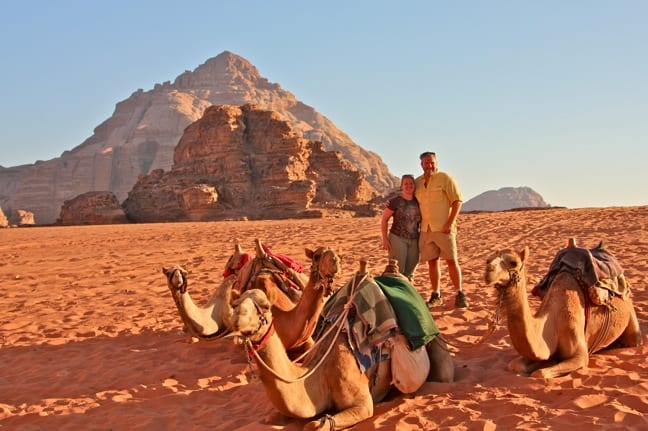
Image: A vast and desolate desert. It represents the challenge of nature and what respect needs to be applied in this situation.
Essential Reading
- Desert Survival Handbook by Charles A. Kane
- Tracking and the Art of Seeing by Paul Rezendes
- The Complete Walker IV by Colin Fletcher
Disclaimer
Desert travel is inherently dangerous. This article provides general information and advice but is not a substitute for proper training and experience. Readers assume all risks associated with desert travel.
Conclusion
The desert offers a unique and challenging travel experience, but it demands respect, preparation, and caution. By understanding the risks and taking the necessary precautions, you can safely explore these incredible landscapes. Approach challenging desert adventures with humility and a commitment to responsible exploration. Want to find safe desert travel experiences? Click here to learn about guided tours!