Chasing Winter's Light: Extreme Photography Expe...
Are you an adventurous photographer seeking to capture the raw beauty of winter's most dramatic landscapes? Do you dream of photographing the shimmering Aurora Borealis, elusive wildlife in snow-covered terrain, or the ethereal glow of ice caves? At VistaLocation.com, we specialize in crafting unforgettable travel experiences. In this post, we'll explore three unique winter photography expeditions designed to push your creative boundaries and reward you with breathtaking images. From the Yukon's dancing Northern Lights to Yellowstone's majestic bison and Greenland's stunning ice formations, prepare to embark on an extraordinary journey.
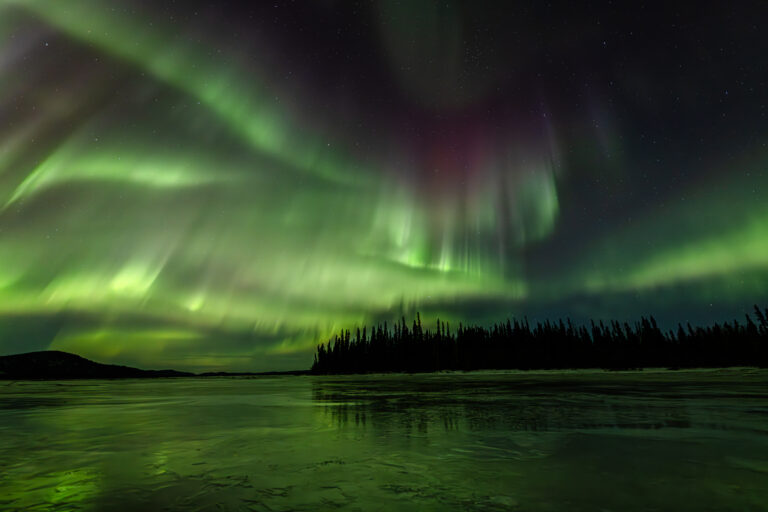
Yukon, Canada: Photographing the Aurora Borealis
Imagine standing beneath a canvas of swirling green, purple, and pink lights, the Aurora Borealis painting the night sky. Our week-long Yukon Aurora Photography Workshop offers you the chance to capture this breathtaking phenomenon. Based outside of Whitehorse, the Yukon Territory provides exceptionally dark skies, free from light pollution, making it an ideal location to photograph the Northern Lights.
Ideal Camera Settings for Aurora Photography
Photographing the Aurora requires specific camera settings to maximize light capture and minimize noise. Here are a few essential tips:
- Aperture: Use a wide aperture (f/2.8 or wider) to allow as much light as possible into your lens.
- ISO: Start with a high ISO (1600-6400) and adjust based on the brightness of the aurora. Higher ISOs can introduce noise, so experiment to find the optimal balance.
- Shutter Speed: Experiment with shutter speeds between 2 and 15 seconds. The faster the aurora is moving, the shorter your shutter speed should be to avoid blurring.
- Focus: Use manual focus and focus on a distant star or a bright object on the horizon. Zoom in on your LCD screen to ensure sharpness.
Best Viewing Locations Outside of Whitehorse
While Whitehorse offers some viewing opportunities, venturing further into the Yukon's wilderness unlocks even greater potential. Here are some prime locations for photographing the Northern Lights in Yukon:
- Tagish Lake: Offers stunning reflections of the aurora on calm nights.
- Lake Laberge: Known for its expansive views and dark skies.
- Kluane National Park: Provides a dramatic backdrop of mountains and glaciers.
Tips for Shooting in Extreme Cold
The Yukon winter can be harsh, so it's crucial to prepare for the extreme cold.
- Batteries: Cold temperatures drain batteries quickly. Keep spare batteries warm in your pockets.
- Clothing: Dress in layers, including a thermal base layer, fleece mid-layer, and a waterproof and windproof outer layer. Don't forget a warm hat, gloves (consider fingerless gloves with mittens that can be pulled over), and insulated boots.
- Condensation: When bringing your camera indoors after shooting in the cold, place it in a sealed bag to prevent condensation from forming.
Yukon Photography Tour Cost for Beginners
Our workshops cater to all skill levels, and the Yukon photography tour cost for beginners is designed to be accessible. Pricing typically ranges from $3,500 to $6,000 USD, depending on the duration and inclusions. The cost usually includes accommodation, transportation, guided photography sessions, and meals. Accommodation options range from rustic cabins offering an authentic wilderness experience to comfortable lodges with modern amenities. For those seeking a more luxurious experience, consider a luxury aurora photography lodge Yukon, offering premium amenities and unparalleled views.
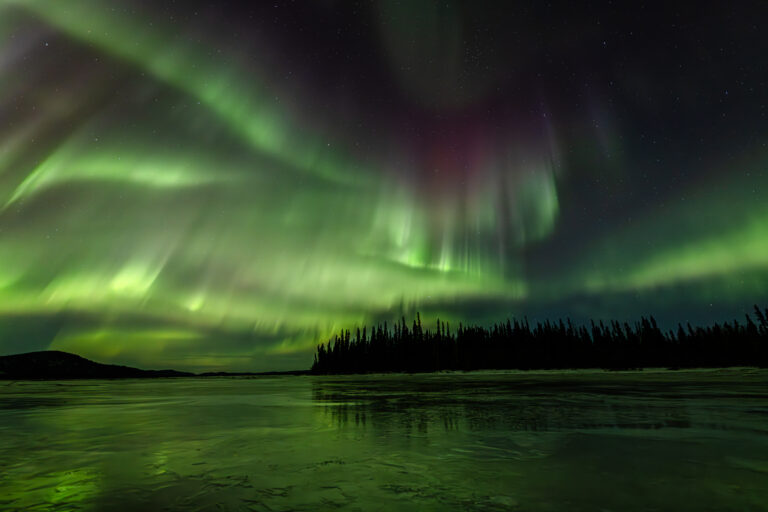
Yellowstone National Park: Winter Wildlife Encounters
Experience the magic of Yellowstone National Park blanketed in snow. Our guided Yellowstone Winter Wildlife Photography expeditions during January and February provide unparalleled opportunities to capture images of bison, wolves, elk, and other wildlife in their natural winter habitat.
Guided Tours Prioritizing Ethical Wildlife Viewing Practices
We partner with experienced local guides who prioritize ethical wildlife viewing practices. Our tours adhere to strict guidelines to minimize disturbance to the animals and their environment. This includes maintaining a safe distance, avoiding feeding the animals, and respecting their natural behavior. You can be assured of a Yellowstone bison photography ethical guide with our partners.
Specialized Cold-Weather Gear
Temperatures in Yellowstone during winter can plummet well below freezing. Essential gear includes:
- Insulated Clothing: Layering is key, with a focus on moisture-wicking base layers, insulating mid-layers, and a waterproof/windproof outer shell.
- Warm Boots: Insulated, waterproof boots with good traction are essential for navigating snowy and icy terrain.
- Gloves: Opt for a system of liner gloves and insulated mittens to maximize warmth and dexterity.
- Camera Protection: Protect your camera from the cold and snow with a camera cover or rain sleeve.
When is the best time to see bison in Yellowstone?
January and February are excellent months to view bison in Yellowstone. The snow-covered landscapes provide a stunning backdrop for photographing these magnificent creatures. During this time, the bison often congregate in areas with geothermal activity, making them easier to spot.
How much does a Yellowstone winter photography tour cost?
| Tour Length | Price Range (USD) | Inclusions |
|---|---|---|
| 3 Days | $1,500 - $2,500 | Accommodation, guided tours, some meals |
| 5 Days | $2,500 - $4,000 | Accommodation, guided tours, most meals, transportation |
| 7 Days | $4,000 - $6,000 | All-inclusive, premium accommodation, expert guides |
Many tours offer Yellowstone winter photography tour packages to suit a range of budgets and time constraints.
Ethical Wildlife Photography Yellowstone Winter
We champion ethical wildlife photography in Yellowstone Winter. Here's how:
- Minimize Impact: Stay on marked trails, give wildlife space, and never harass them.
- Use Telephoto Lenses: Capture stunning close-ups without encroaching on their territory.
- Education: Learn about the animals and their habitat to photograph them respectfully.
- Support Conservation: Choose tours that contribute to wildlife conservation efforts.
How cold does it get in Yellowstone in winter?
Winter temperatures in Yellowstone can range from 0°F to -30°F (-18°C to -34°C), especially at night and in higher elevations. Daytime temperatures are generally between 10°F and 20°F (-12°C to -7°C). Be sure to be prepared for extreme temperatures and pack accordingly.
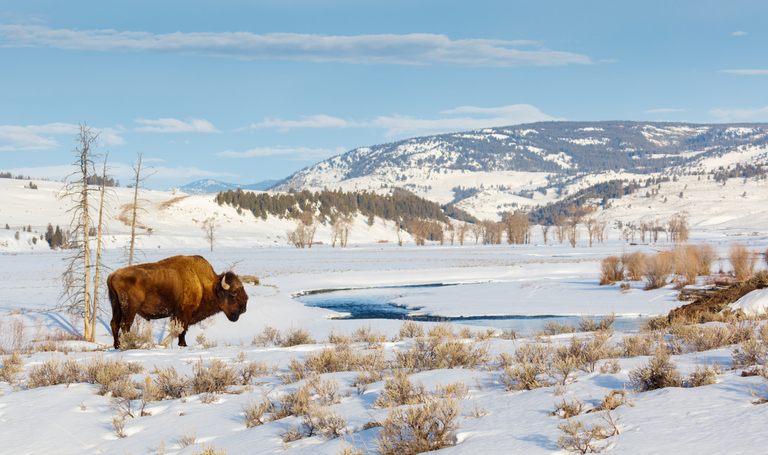
Greenland: Exploring the Ice Caves and Inuit Culture
Venture to the remote and mesmerizing landscapes of Greenland for a truly unique photography experience. Our Greenland Ice Cave Photography expedition, led by local Inuit guides, offers an unforgettable journey into the heart of the Arctic. The expedition ensures travelers are eco friendly photography tours Greenland.
Unique Geological Formations and Challenges of Photographing in Ice Caves
The ice caves of Greenland are ever-changing geological formations sculpted by meltwater flowing beneath the ice sheet. Each cave is unique, with varying shades of blue, turquoise, and white. Photographing these caves presents several challenges:
- Low Light: Ice caves are often dimly lit, requiring the use of high ISOs and wide apertures.
- Contrast: The contrast between the bright ice and the dark shadows can be difficult to manage.
- Safety: Ice caves are dynamic environments, and there's always a risk of collapse. It's crucial to follow the instructions of your guide and wear appropriate safety gear.
Drone Photography Regulations Greenland National Park
The use of drones in Greenland is subject to regulations, particularly within protected areas. Drone photography regulations Greenland National Park require permits and adherence to specific guidelines to minimize disturbance to wildlife and the environment. Always check with local authorities before flying a drone in Greenland. Using a drone is a perfect way to capture aerial views.
Opportunities to Learn About Inuit Culture and Support Local Communities
Our expeditions are designed to provide opportunities to learn about Inuit culture and support local communities through tourism. You'll have the chance to interact with Inuit guides, learn about their traditions, and purchase locally made crafts. We actively work towards supporting Inuit communities Greenland travel.
Why is Greenland important for climate change research?
Greenland's ice sheet is a crucial indicator of climate change. Monitoring its melting rate provides vital data for understanding global warming and its impact on sea levels. Photographing the ice sheet can also help raise awareness about the urgency of climate action.
Greenland Inuit Culture Photography Expedition
Immerse yourself in the rich traditions of the Greenland Inuit Culture Photography Expedition. Here's what you can expect:
- Cultural Immersion: Visit local communities, learn about their history, and participate in traditional activities.
- Storytelling: Capture images that tell the story of the Inuit people and their connection to the land.
- Respectful Engagement: Approach your photography with respect and sensitivity, ensuring you're capturing authentic moments.
Are drones allowed in Greenland?
Yes, drones are generally allowed in Greenland, but regulations vary by region and purpose. For commercial use, permits are often required. It's crucial to research specific rules before flying.
How do I book a guided tour of the ice caves in Greenland?
Guided tours can be booked through local tour operators or through VistaLocation.com. Be sure to book in advance, especially during peak season. Prioritize tours that support local Inuit communities and adhere to sustainable tourism practices.
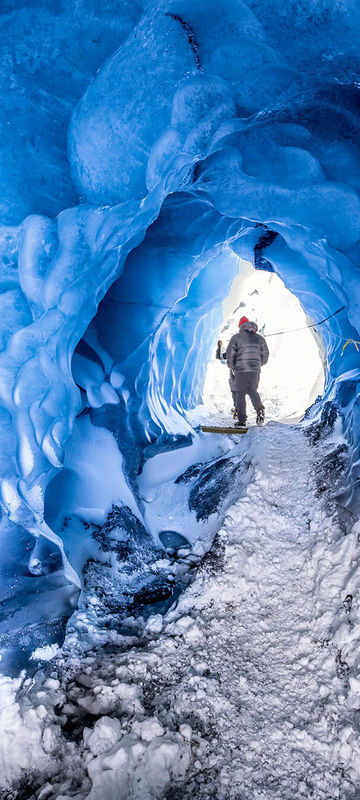
Chasing Winter's Light: A Summary
These winter photography expeditions offer more than just stunning visuals; they provide opportunities for personal growth, cultural exchange, and a deeper appreciation for the natural world. Whether you're capturing the ethereal dance of the Aurora Borealis, the raw power of Yellowstone's wildlife, or the otherworldly beauty of Greenland's ice caves, these experiences will leave you with unforgettable memories and breathtaking images. Ready to embark on your own winter photography adventure? Contact us at VistaLocation.com to learn more and book your expedition today! Book Yukon Aurora Photography Tour and experience the magic.