Chasing Turquoise: Photographing Plitvice's Wate...
Plitvice Lakes National Park in Croatia. The name alone conjures images of cascading turquoise waters, lush emerald forests, and an almost ethereal beauty. As a nature photographer with an admitted obsession for capturing waterfalls, I knew I had to experience Plitvice for myself. Fresh from a recent trip, I’m excited to share my experience, offering practical tips and insights for capturing the magic of this UNESCO World Heritage site through your lens. Get ready to dive into the heart of Croatia's natural treasure, with a Plitvice Lakes photo tour.
The Upper Lakes Trail: A Symphony of Light and Shadow
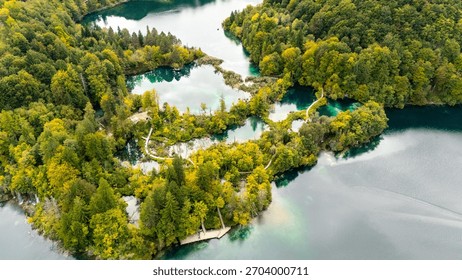
My Plitvice adventure began with a guided hike along the Upper Lakes Trail, a winding path that snakes its way through a landscape sculpted by water and time. The Upper Lakes presented a unique challenge: capturing the cascading waterfalls under the harsh glare of the midday sun. This is where understanding your camera settings becomes paramount.
I quickly learned that varying light conditions would be a constant companion. In the shaded areas, beneath the dense canopy of beech, fir, and spruce trees, the light was soft and diffused, allowing for longer exposures to create that silky, dreamy effect on the water. I often found myself adjusting my settings on the fly:
- Shutter Speed: Ranging from 1/4 second to several seconds, depending on the amount of light and desired effect.
- Aperture: Typically between f/8 and f/11 to ensure a wide depth of field and sharpness throughout the image.
- ISO: Kept as low as possible (usually ISO 100) to minimize noise, especially in darker areas.
One of the most valuable pieces of gear I had was a neutral density (ND) filter. These filters reduce the amount of light entering the lens, allowing for longer exposures even in bright sunlight. They’re essential for achieving that smooth, ethereal look on waterfalls without overexposing the image. For the brightest parts of the Upper Lakes, I used a 6-stop ND filter and sometimes even stacked a 3-stop on top for extra light reduction. Here, the best photography spots Upper Lakes Plitvice were difficult to find without being partially exposed to sunlight.
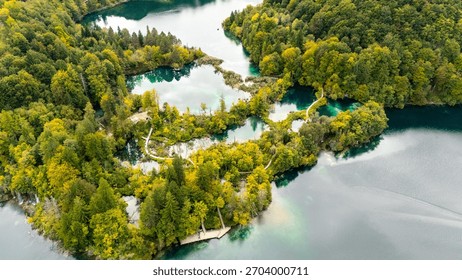
Image showing the Upper Lakes Trail in Plitvice with a wooden walkway and the surrounding forest.
Veliki Slap and the Lower Lakes Trail: Grandeur and Composition
The next day, I ventured onto the Lower Lakes Trail, eager to witness the grandeur of Veliki Slap – the Great Waterfall. This is the tallest waterfall in Plitvice Lakes, and capturing its full majesty requires careful planning and composition.
My goal was to photograph Veliki Slap in the soft light of late afternoon, hoping to avoid the harsh shadows that plague the midday sun. I arrived around 4 PM, giving myself ample time to scout the best vantage points.
Composition is key when photographing a subject as imposing as Veliki Slap. I experimented with different angles, using the surrounding trees and rock formations to frame the waterfall and create a sense of depth. I also focused on capturing the textures of the cascading water, playing with different shutter speeds to convey both power and grace.
To photograph waterfalls in low light, I adjusted my shutter speed and aperture slightly compared to the Upper Lakes. I chose a slightly wider aperture (f/5.6-f/8) to let in more light, and experimented with shutter speeds between 1/8 and 1/2 second for water movement.
Sunrise at Kozjak Bridge: A Dance of Light and Minerals
One of the most challenging, yet rewarding, photographic experiences in Plitvice was my sunrise session at Kozjak Bridge. This iconic bridge spans the turquoise waters of Kozjak Lake, offering a stunning view of the travertine barriers and cascading waterfalls.
Capturing the light reflecting off the travertine barriers and the turquoise water proved tricky. The light was constantly changing, and the contrast between the bright sky and the shaded areas beneath the bridge was significant.
To overcome this challenge, I used a graduated neutral density (GND) filter to balance the exposure. This filter darkens the sky while leaving the foreground untouched, allowing me to capture the full dynamic range of the scene.
The unique color of the Plitvice Lakes is due to the mineral composition of the water. Dissolved calcium carbonate from the surrounding limestone and dolomite bedrock creates a phenomenon called “tufa” or travertine formation. This process not only builds the stunning barriers but also contributes to the water's mesmerizing turquoise hue. Photographing these mineral structures up close with a macro lens can reveal intricate details and patterns.
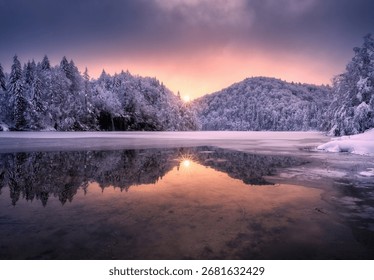
Image capturing the Kozjak Bridge at sunrise, highlighting the turquoise water and the surrounding forest.
Fueling the Adventure: A Taste of Croatia
After a long day of hiking and photography, I treated myself to a delicious dinner near the park entrance. I had to try some local Croatian specialties. I started with štrukli, a warm and comforting cheese pastry that was the perfect antidote to the chilly evening air. For my main course, I indulged in pasticada, a hearty Dalmatian beef stew that was rich in flavor and incredibly satisfying. The highlight of the meal, however, was the freshly caught local trout, grilled to perfection and served with a medley of grilled vegetables. It was a perfect way to refuel and reflect on the day's adventures. For those wondering where can I find štrukli near Plitvice Lakes, most restaurants in the surrounding villages offer this dish.
Protecting equipment while photographing Plitvice Lakes
The elements can be harsh to your gear while photographing the waterfalls, mist, and humid conditions, so make sure to protect your equipment.
- Waterproof bag: Consider packing your gear in a waterproof backpack or a waterproof dry bag to protect it from spray and rain.
- Lens cloths: Bring several microfiber lens cloths to wipe away water droplets and condensation from your lenses.
- Rain cover: Use a rain cover or plastic bag to protect your camera body from moisture.
- Silica gel packets: Place silica gel packets in your camera bag to absorb moisture and prevent condensation.
Plitvice Lakes: A Photographer's Paradise
Plitvice Lakes National Park is a true photographer's paradise, offering endless opportunities to capture breathtaking images. From the cascading waterfalls and turquoise waters to the lush forests and unique geological formations, this place is a feast for the senses. I left with a deep sense of satisfaction, knowing that I had captured a piece of its essence through my lens.
Whether you’re a seasoned professional or an aspiring landscape photographer, I urge you to visit Plitvice Lakes. But more importantly, I implore you to respect and protect this incredible natural wonder. Practice ethical nature photography, leave no trace behind, and help preserve its beauty for generations to come. Book your Plitvice Lakes photo tour now.