Chasing the Milky Way in Acadia: A Solo Astropho...
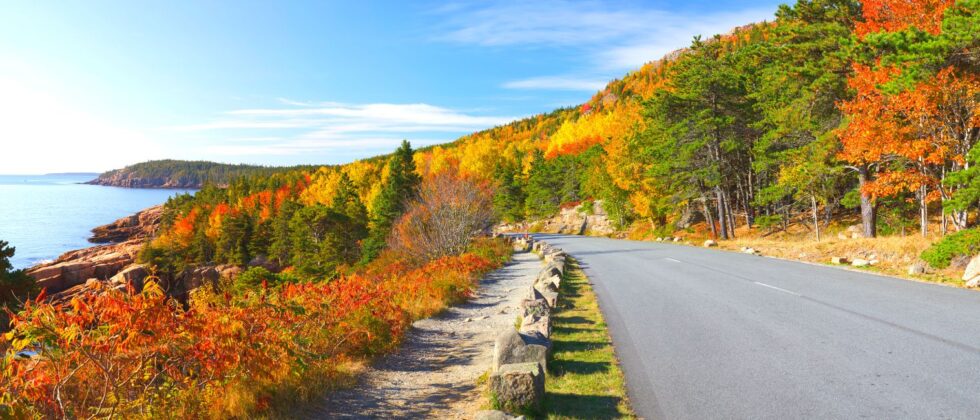
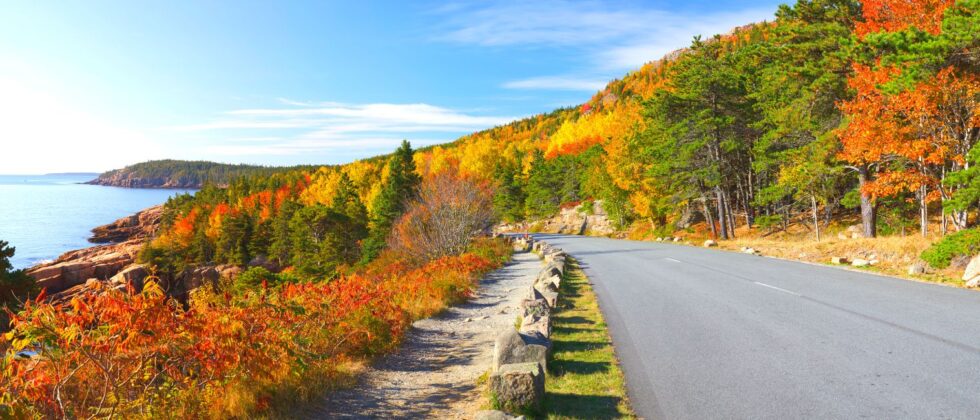
Acadia National Park in mid-October is a photographer’s dream, especially if you are looking for Maine Fall Foliage Stargazing. The fiery reds and oranges of maple trees cling to the granite cliffs, the crisp, salty air bites at your cheeks, and the almost-eerie quiet settles over the park after the summer rush. This is precisely what I, Ben, a 28-year-old UX designer and amateur astrophotographer, was seeking on my recent solo trip. I was chasing the Acadia Milky Way Photography, hoping to capture the magic of the cosmos against the rugged Maine coastline. I knew light pollution would be an issue, but I was determined to make the most of it with my Sony Alpha 7S III, a 24-70mm f/2.8 GM lens, and a Rokinon 14mm f/2.8 lens. The shorter days cast long shadows across the landscape, creating a moody and dramatic atmosphere that I hoped would translate into stunning images.
The Allure of Acadia in October
October in Acadia National Park is a sensory overload in the best way possible. The vibrant foliage transforms the landscape into a living painting. Hiking trails wind through forests ablaze with color, and the panoramic views from Cadillac Mountain are simply breathtaking. The crisp air carries the scent of pine and salt, invigorating every breath. And the quiet, oh, the quiet! It's a welcome respite from the hustle and bustle of city life, allowing you to truly connect with nature. But Acadia Hiking Trails are not only great during the day. Even at night, the park is a wonderland.
The Hunt for Dark Skies: Astrophotography Acadia Coastline
My primary goal was, of course, Acadia National Park Astrophotography. I started out with so much optimism, but the reality hit me hard. Even at the supposedly dark Sand Beach, the glow from Bar Harbor was a persistent intruder in my viewfinder. I even drove out to Bass Harbor Head Light, but the harbor lights reflected off the water, making the sky glow brighter than I expected. Was I ever going to find my ideal dark sky? The challenge of finding truly dark skies along the Acadia Coastline became a central theme of my trip. I consulted Light Pollution Map Acadia and ventured further afield, seeking out remote spots where the stars could truly shine.
Battling Light Pollution: Finding Solutions
Despite the challenges, I wasn't about to give up. I experimented with different locations and camera settings, trying to minimize the impact of light pollution. I learned to embrace the subtle gradients of light, incorporating them into my compositions. Light pollution solutions Acadia National Park photography became a crucial aspect of my strategy. I experimented with using natural features like trees and rock formations to block out unwanted light sources. I discovered even a partial barrier to light can drastically improve images.
Camera Settings and Image Stacking
What camera settings for Acadia Milky Way photos? This was the question I was constantly asking myself. I bumped my ISO up to 6400 and opened my Rokinon lens to f/2.8, shooting 30-second exposures. Even then, the light pollution was a real problem. I decided to try stacking multiple images using Sequator later to reduce the noise and enhance the stars. It was a long shot, but I was desperate. Will this image stacking work? This involved taking multiple shots of the same scene and then combining them using software to reduce noise and bring out fainter details. The extra work involved in stacking images paid off, revealing a hint of the Milky Way's grandeur.
Best Time for Milky Way Acadia
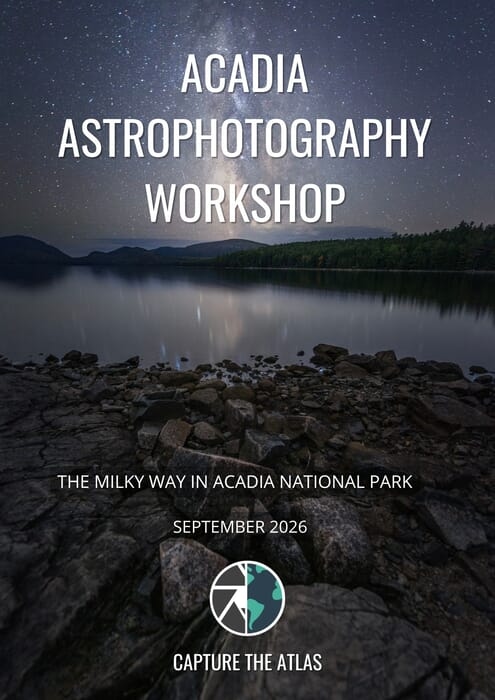
When is the best time to photograph the Milky Way in Acadia? I learned that the Milky Way is most visible in Acadia from late spring to early fall. Although my trip was in mid-October, I had a small window of opportunity. The key is to check the moon phase and plan your trip around a new moon, when the sky is darkest. Also, I made sure to check the weather forecast and look for clear, cloudless nights. I learned that checking weather websites can save time and money when planning out trips.
Culinary Delights: Thurston's Lobster Pound & Maine Blueberry Soda
After a night of frustrating astrophotography, I needed comfort food. The Best lobster roll Bernard Maine Thurston's, the buttery, toasted bun overflowing with succulent lobster meat at Thurston's was exactly what I needed. The sea breeze and the sound of the boats made the experience perfect. I still can't decide what tastes better -- the ocean wind, or the lobster roll? The review of Thurston's Lobster Pound Review is that it is definitely a stop worth making. As I was driving back to my campsite, I noticed a small, hand-painted sign advertising "Maine Blueberry Soda." The fizzy, sweet, and slightly tart drink was a surprising burst of local flavour. It was the perfect afternoon pick-me-up. What would Maine blueberry soda review near Bar Harbor be without mentioning how refreshingly regional it is? What would Maine Blueberry Soda go best with? Maybe another lobster roll?

Reflecting on the Soundscape: Acadia National Park Soundscape Nature Sounds TikTok
Acadia isn't just a visual experience; it's an auditory one too. The sound of the waves crashing against the rocks, the wind whistling through the trees, and the haunting call of the loons all create a unique and unforgettable soundscape. This inspired me to create a Acadia National Park soundscape nature sounds TikTok to share the auditory beauty of Acadia with others. The raw nature sounds are something you can't quite recreate anywhere else.
Share Your Vista: #NationalParkVistaChallenge
My solo trip to Acadia was a challenging but ultimately rewarding experience. I may not have captured the perfect Milky Way photo, but I learned a lot about astrophotography, perseverance, and the beauty of the Maine coast. Now it's your turn to share your adventures!
Share your best photo of any US National Park to vistalocation.com using the hashtag #NationalParkVistaChallenge, and you could be featured on our website and win a free Manfrotto Befree Advanced tripod!